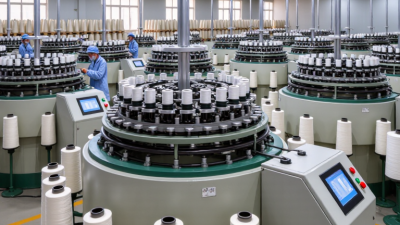
How to Choose the Right Twisting Machine for Your Business
Choosing the right twisting machine can influence product quality, production speed, and long-term operating costs. A poor match may create uneven tension, broken threads, or unnecessary downtime. The decision should begin with your actual materials, not a supplier’s most impressive brochure. Consider yarn type, strand count, twist direction, required output, and daily production hours. Small details matter. A sample spool often reveals more than a sales presentation.
Experienced manufacturers usually compare spindle capacity, motor stability, speed control, and tension accuracy. These features affect how smoothly the machine handles delicate fibers, technical threads, or heavier industrial materials. Ask suppliers for test results, maintenance schedules, and clear capacity ranges. Reliable technical support also matters when a sensor fails during a busy production shift. Your operators should understand the controls without constant supervision. Practical training is part of the purchase.
Budgeting requires more than comparing purchase prices. Energy use, replacement parts, labor, installation, and service intervals can change the real cost considerably. A cheaper machine may become expensive after repeated adjustments. That is not always obvious at the beginning. Review warranty terms and request references from businesses with similar production needs. If possible, test your own material before ordering. No checklist is perfect. However, careful testing and honest feedback can prevent an expensive mismatch. The best twisting machine is not necessarily the fastest model; it is the one that delivers consistent results within your facility, team, and realistic growth plan.
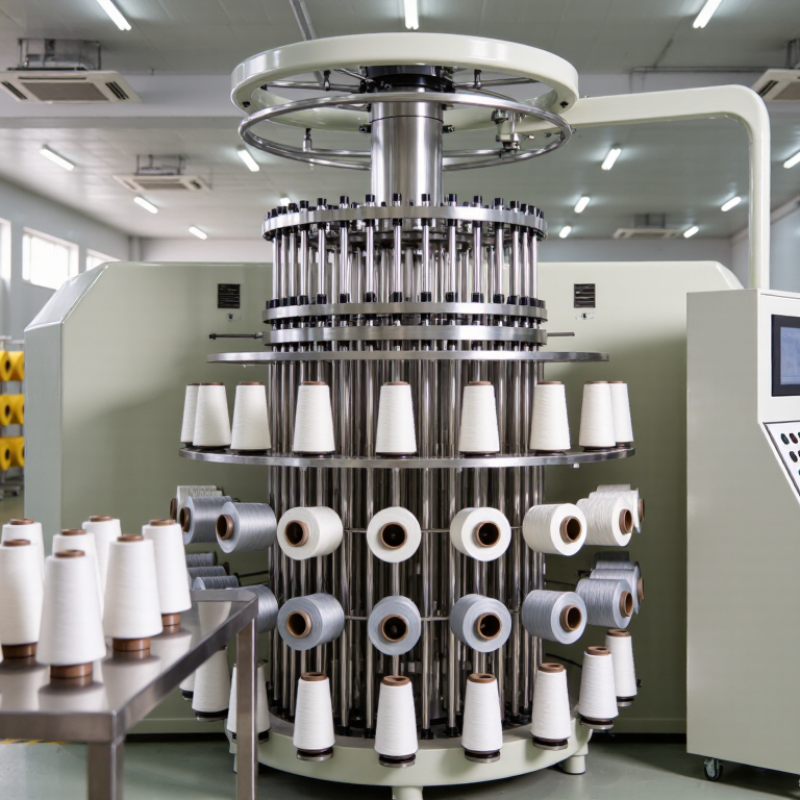
Define Your Twisting Machine Requirements and Production Goals
Choosing the right twisting machine starts with defining your production requirements, not comparing specifications. Identify the yarn type, twist range, material blend, package size, and target output. A machine twisting fine polyester thread may not handle coarse technical yarn reliably. Measure your current process.
Textile Exchange reported 124 million tonnes of global fiber production in 2023. That volume reflects a broad, demanding market, but it does not justify buying the fastest machine available. The International Textile Machinery Federation recorded about 8.5 million short-staple spindles shipped in 2023. These figures show continued investment, although spinning data cannot directly predict twisting-machine demand.
Set production goals using measurable figures. Record kilograms per hour, operating hours, acceptable waste, energy use, and changeover time. Include operator skill levels and floor-space limits. A compact machine may reduce installation costs. However, slower cleaning can quietly reduce monthly output. That part is easy to miss.
Calculate demand for the next three years, not only this quarter. Leave capacity for seasonal orders, maintenance, and quality checks. Ask suppliers for trial runs using your actual yarn and package design. Review tension stability, twist consistency, noise, and rejected cones. My experience suggests that impressive sample speed can hide difficult adjustments. Plan for the ordinary day, when materials vary and operators need practical controls.
Compare Machine Types, Materials, and Twisting Capabilities
How to Choose the Right Twisting Machine for Your Business
The right twisting machine depends on your yarn, production volume, and required twist level. Ring twisting machines offer strong control for cotton, wool, and blended yarns. They suit businesses needing stable quality and flexible settings. Two-for-one machines produce higher output with fewer operators. However, they may require more careful tension control during setup. Air-jet machines work well with lightweight synthetic yarns and selected technical fibers. Their performance can change noticeably with humidity and fiber condition.
Compare the machine’s twist range, spindle speed, and package size before purchasing. Fine polyester yarn may need different tension settings than coarse cotton yarn. For glass or aramid fibers, check contact surfaces and guide durability. Small details matter. A worn ceramic guide can create uneven twist and frequent yarn breaks. In trial runs, measure output, energy use, waste, and operator adjustments. A machine with the fastest rated speed may not deliver the lowest cost. This is where many buying decisions become less certain.
Tips: Test your actual yarn samples, not only supplier specifications. Ask for data from similar counts and twist levels. Check whether the machine supports your intended ply structure. Leave room for future materials, but avoid paying for features your team will never use. I have seen carefully planned purchases miss one practical issue: the machine was too tall for the existing workspace. Recheck maintenance access, noise, and cleaning time before signing.
How to Choose the Right Twisting Machine for Your Business
Compare machine types, material compatibility, and twisting capabilities before selecting equipment for your production line.
Ring Twister
Suitable for cotton, wool, and spun synthetic yarns. It offers flexible yarn processing and reliable twist control at moderate production speeds.
Two-for-One Twister
Well suited to filament and spun yarns. It produces two twists in one spindle rotation, making it effective for high-volume production.
Hollow Spindle Twister
A practical choice for covered yarns, elastic-core yarns, and fancy yarns where material combinations and surface effects are important.
Cabling Machine
Designed for plied yarns, cords, and technical yarns. It provides strong ply control and is useful when higher twist or multiple yarn ends are required.
The chart shows indicative operating spindle-speed ranges commonly used in textile production. Actual performance depends on yarn material, yarn count, package size, twist level, and machine configuration.
Assess Installation, Maintenance, Safety, and Energy Requirements
Choosing a twisting machine requires more than checking output speed. Assess the installation space, floor loading, electrical capacity, ventilation, and operator access. A narrow doorway can turn delivery into an expensive redesign. The U.S. Department of Energy reports that motor systems consume over 70% of industrial electricity. Therefore, compare motor efficiency, standby consumption, and control accuracy before buying.
Maintenance access matters every day. Inspect whether technicians can reach bearings, tensioners, guards, and lubrication points without unsafe climbing. Ask for maintenance intervals, spare-part availability, fault records, and remote diagnostic options. The International Organization for Standardization’s ISO 55001 guidance supports planned asset management, but real workshops still miss inspections during peak production. That weakness should influence your staffing and maintenance plan. Safety controls must include interlocks, emergency stops, guarding, clear labeling, and lockout procedures. OSHA’s 2023 Top 10 violations again listed machine guarding among leading citations, showing that basic protection remains frequently overlooked.
Tips: Request a site survey before signing. Measure doorways, cable routes, noise levels, and heat buildup. Test the machine with your actual material, not a supplier’s ideal sample. Record energy use during startup and normal production. A lower purchase price may hide higher electricity and maintenance costs. I would also leave extra service space; crowded layouts save floor area but often create slower, riskier repairs. Check the calculations twice.
Calculate Total Cost and Select the Best Machine for Your Business
How to Choose the Right Twisting Machine for Your Business
The purchase price is only the visible part of a twisting machine’s cost. Calculate total cost of ownership before comparing models. Include installation, tooling, operator training, electricity, maintenance, spare parts, downtime, waste, and resale value. The U.S. Department of Energy reports that motor-driven systems consume more than half of industrial electricity. Therefore, efficiency deserves careful attention, not casual inspection.
For example, an illustrative five-year calculation may include a $38,000 machine, $4,000 installation, $7,500 electricity, $42,000 labor, $9,000 maintenance, and $3,000 scrap. The estimated total reaches $103,500. Divide this figure by expected production, not advertised speed. A machine producing 2 million meters annually may cost less per meter than a cheaper unit producing only 1.2 million. Measure actual output with your material, twist specification, shift pattern, and changeover time.
Check downtime assumptions carefully. The U.S. Department of Energy’s Operations and Maintenance Best Practices Guide links preventive maintenance with improved reliability and lower operating risk. Yet maintenance budgets are often too optimistic. My first estimate would probably miss setup delays, rejected coils, or replacement belts. That is the uncomfortable part. Ask suppliers for documented energy consumption, maintenance intervals, achievable speed under load, and test-run results. Add a sensitivity check: recalculate costs if energy rises 20%, output falls 10%, or downtime doubles. The better machine is not always the fastest one. It is the one that protects cost per finished meter.