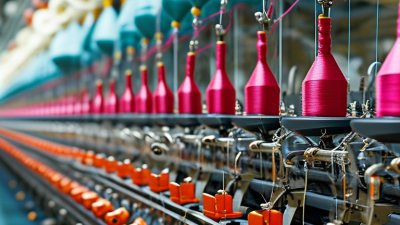
Choosing the best China yarn twister requires more than comparing spindle speed or catalog prices. Global buyers need evidence about yarn quality, production stability, energy use, and after-sales support. The Textile Exchange Materials Market Report 2024 estimated global fiber production at about 124 million tonnes in 2023. Polyester represented roughly 57% of that volume. This scale strengthens demand for reliable twisting equipment across apparel, home-textile, technical-textile, and industrial-yarn applications.
China remains a major manufacturing base for textile machinery. However, “Chinese-made” does not guarantee identical performance. A suitable yarn twister should match fiber type, yarn count, twist range, package size, and target output. Buyers should request test results using their own yarn. Check twist variation, spindle vibration, broken-end frequency, noise, and power consumption. A machine may look excellent during a short demonstration. Continuous production can reveal different problems. ISO 2060 testing procedures can help verify yarn linear density, while laboratory twist testing supports more consistent acceptance decisions.
Professional selection also requires reviewing factory experience, export records, spare-parts availability, software support, and technician response times. ITMF’s International Textile Machinery Shipment Statistics offers useful market context, but it does not identify the best machine for every factory. That limitation matters. Some suppliers publish impressive capacity figures without explaining operating conditions. The most credible comparison combines audited data, independent testing, customer references, and a clearly written warranty. Buyers should calculate total cost per kilogram, not only the purchase price. The right yarn twister is the one that performs consistently beside your operators, materials, and production targets. No machine wins everywhere.
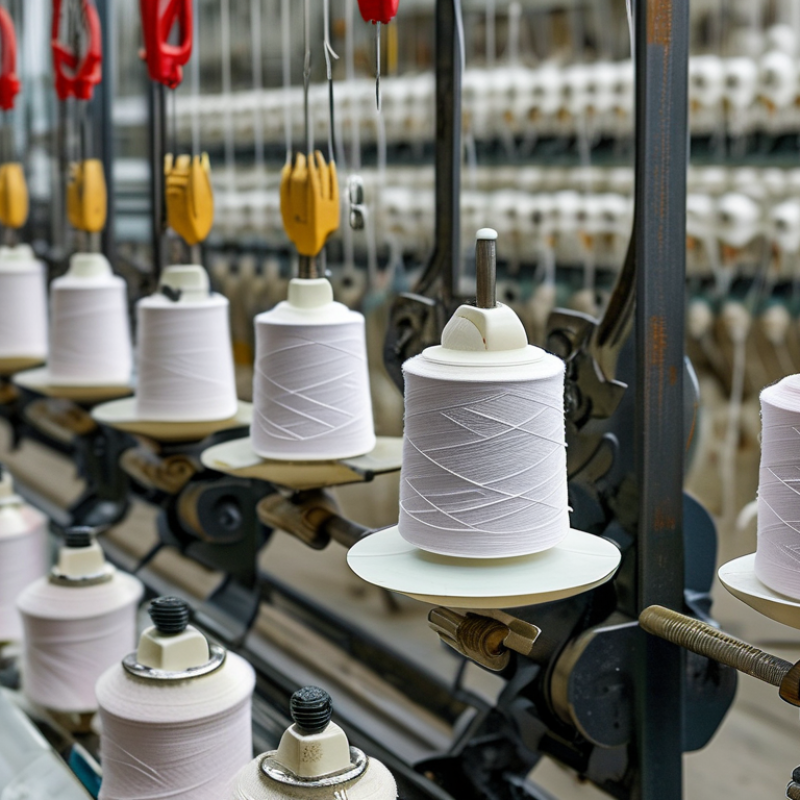
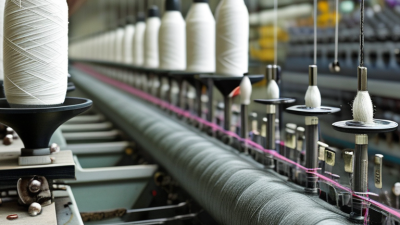
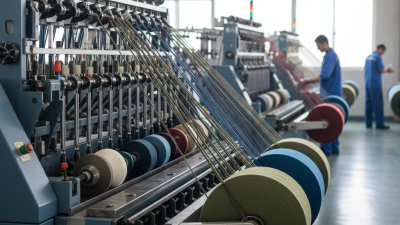
A China yarn twister is industrial equipment made for combining and strengthening two or more yarn strands. It is widely used with cotton, polyester, wool, and blended fibers. The machine feeds separate yarns through tension devices before twisting them around a common axis. This action improves structure, appearance, and resistance to abrasion. It looks simple. In practice, small settings matter.
Inside the machine, motor-driven spindles rotate at a selected speed. Feed rollers control yarn delivery, while tensioners reduce uneven pull. A winding unit then packages the twisted yarn onto cones or tubes. Operators usually adjust spindle speed, twist direction, twist level, and winding tension. If tension is too high, delicate yarn may stretch or break. If it is too low, loose sections can appear.
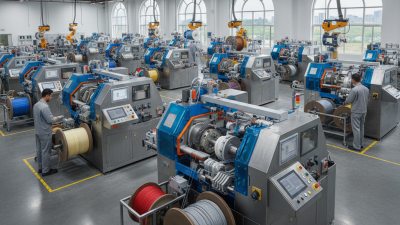
Global buyers should examine the machine’s working width, spindle range, output capacity, and compatible yarn counts. Ask for test results using your actual yarn, not only standard samples. Check electrical specifications, guarding, emergency stops, spare parts, and operating instructions. Factory experience helps, but published data can still be incomplete. I would also inspect noise, vibration, and package firmness during a live trial. A stable machine should produce consistent twist from the first cone to the last.
A China yarn twister is a textile machine that combines or adds twist to yarns to improve strength, structure, and performance. The chart shows calculated reference twist requirements for common cotton yarn counts using a twist multiplier of 3.0. Buyers should select a machine with accurate twist control and a working range that covers their target yarn specifications.
Reference calculation: turns per inch = 3.0 × √Ne; turns per meter = turns per inch × 39.37. Actual settings vary according to fiber type, yarn structure, ply, and end-use requirements.
For global buyers, yarn twisting specifications should match the yarn, not merely the machine’s advertised output. A practical evaluation begins with yarn count, fiber type, and required twist level. Cotton, polyester, wool, and blended yarns may need different tension settings and spindle speeds. Twist range, measured in turns per meter or turns per inch, directly affects strength, softness, and fabric performance. A machine with a broad, stable range offers more production flexibility.
Spindle speed matters, but higher speed is not always better. Excessive speed can increase yarn breakage, heat, and uneven tension. Buyers should examine the usable speed range under real production conditions. Package size, winding direction, spindle quantity, and take-up accuracy also influence efficiency. Ask for test data using yarn similar to your own. Factory demonstrations are useful, although short trials may hide maintenance issues. They are not enough alone.
Control accuracy deserves close attention. Digital tension monitoring, automatic stop functions, and adjustable twist settings can reduce waste and support repeatable quality. Power requirements should match the destination facility, including voltage, frequency, and energy capacity. Noise level, spare-part availability, operator training, and cleaning access affect long-term ownership costs. I once focused too heavily on spindle speed and underestimated tension recovery after a yarn joint. That mistake changed my buying checklist. Buyers should also review safety documentation, inspection records, and warranty terms before comparing prices. Some specifications look impressive on paper but become less convincing after several shifts.
China yarn twisters vary significantly by machine type, yarn structure, and production target. Ring twisters suit cotton, wool, and other staple fibers. They offer flexible twist settings and relatively simple maintenance. Two-for-one twisters usually deliver higher output for filament and industrial yarns. Their rotating spindle can reduce processing time, but vibration control becomes critical at high speed. Cable twisters handle technical yarns, sewing threads, and multi-ply constructions. They provide stronger packages, although setup requires more operator experience.
Application should guide the purchase. Apparel yarn needs stable twist, soft winding, and low hairiness. Tire cord, geotextiles, and safety fabrics require tension consistency and abrasion resistance. Textile Exchange’s Materials Market Report 2024 estimated global fiber production at 124 million tonnes in 2023. That scale increases demand for efficient processing, but volume alone should not determine machine selection. A laboratory trial remains essential. Ask suppliers to test your actual yarn count, blend, moisture level, and target twist.
I would compare spindle speed, power use, automation, package size, and spare-part availability. The International Textile Machinery Federation’s shipment statistics show continuing investment in modern textile equipment, yet shipment growth does not prove suitability for every factory. That is an important limitation. Check twist deviation across several positions, not one perfect sample. Request noise readings beside the machine. Review maintenance records and operator training. The cheapest quotation can become expensive when tension sensors fail or changeovers take too long. No machine wins every trial.
| Machine Type | Twisting Principle | Typical Yarn Range | Common Materials | Typical Twist Range | Production Characteristics | Best-Fit Applications | Main Advantages | Important Selection Points |
|---|---|---|---|---|---|---|---|---|
| Ring Twister | A spindle and traveller insert twist while the yarn is wound onto a package. | Fine to medium yarns; commonly used for spun yarn counts from approximately Ne 6 to Ne 80, depending on configuration. | Cotton, polyester, viscose, wool blends and other staple-fibre yarns. | Approximately 150–1,500 turns per metre, depending on yarn type and end use. | Stable twisting quality; generally lower output per spindle than two-for-one systems; suitable for flexible batch production. | Sewing thread, embroidery yarn, knitting yarn, specialty spun yarn and small-to-medium production runs. | Wide yarn adaptability, controlled tension and relatively straightforward process adjustment. | Check spindle speed, traveller availability, package size, yarn tension control and operator workload. |
| Two-for-One Twister | One spindle rotation creates two twists in the yarn path, increasing twisting efficiency. | Medium to coarse yarns and doubled yarns; often used for spun, filament and industrial yarns. | Cotton, polyester, acrylic, viscose, blended yarns, filament yarns and some technical fibres. | Approximately 200–1,500 turns per metre, subject to yarn specification and machine design. | High productivity and fewer process steps; commonly selected for continuous, medium-to-large-scale production. | Weaving yarn, knitting yarn, carpet yarn, upholstery yarn and general doubled yarn production. | High output, efficient floor-space utilization and consistent twisting for standardized products. | Evaluate energy consumption, vibration, package compatibility, automatic doffing and service support. |
| Direct-Cabling Machine | Several yarn ends are combined and twisted directly into a cable or ply structure. | Medium to coarse yarns, plied yarns and heavier industrial yarn constructions. | Polyester, nylon, polypropylene, cotton, aramid and other high-strength or technical fibres. | Typically configured for low-to-medium twist levels in heavy or multi-end structures. | Designed for strong, stable cables; output depends on yarn size, number of ends and required cable structure. | Ropes, cords, narrow fabrics, tire-related textiles, geotextiles and technical textile components. | Efficient formation of heavy multi-ply products with good structural stability. | Confirm maximum yarn diameter, number of ends, tension equalization, take-up design and safety guarding. |
| Hollow-Spindle Twister | The yarn passes through a rotating hollow spindle, allowing covering or wrapping around a core. | Fine to medium covering yarns and elastic-core constructions. | Polyester, nylon, rayon, metallic yarns, elastane-core yarns and decorative fibres. | Approximately 300–2,000 turns per metre, depending on covering ratio and product design. | Supports precise wrapping and multiple covering effects; production speed varies significantly by material and construction. | Covered elastic yarn, sewing thread, decorative yarn, metallic yarn and technical covered yarn. | Accurate core coverage, attractive appearance and suitability for high-value specialty products. | Check core-yarn control, covering uniformity, spindle speed, yarn break detection and changeover time. |
| Air-Jet Twister | Compressed air creates turbulence that entangles or twists the yarn without a conventional rotating spindle. | Mainly filament yarns and selected blended or air-entangleable yarn structures. | Polyester, nylon, polypropylene and other thermoplastic filament yarns. | Generally used for air entangling or low-twist effects rather than conventional high-twist yarns. | High processing speed is possible, but compressed-air quality and operating cost are important. | Filament knitting yarn, textured yarn, carpet yarn and selected technical filament products. | Low mechanical contact, fast processing and suitable handling of continuous filaments. | Assess air consumption, compressor capacity, nozzle design, noise level and filtration requirements. |
| Cable Twister | Multiple previously twisted yarns or strands are combined into a final cable with controlled direction and tension. | Coarse yarns, cords, multi-ply strands and heavy technical constructions. | Polyester, nylon, polypropylene, cotton, aramid and high-tenacity blended yarns. | Usually low-to-medium cable twist, selected according to strength, elongation and dimensional stability requirements. | Built for heavy-duty operation; line speed is usually lower than fine-yarn twisting systems. | Rope, cordage, fishing line, safety products, industrial belts and reinforcement materials. | Strong final products, controlled cable geometry and suitability for demanding industrial applications. | Verify maximum cable size, traction capacity, tension control, gearbox durability and spare-part availability. |
Note: The yarn ranges, twist values and production characteristics are indicative engineering ranges. Actual performance depends on yarn material, linear density, number of plies, package format, twist direction, machine configuration and operating conditions.
Selecting a China yarn twister requires more than comparing spindle speed and purchase price. Buyers should inspect quality records, safety controls, and destination-market compliance before signing a contract.
Ask for material certificates, motor test reports, and documented quality inspections. Check whether critical parts have traceable batch numbers. The frame should feel rigid, with accurate alignment around the spindle and tension system. During a factory inspection, request a continuous running test. Listen for unusual vibration. It often reveals problems hidden in photographs. Confirm the machine maintains stable yarn tension after several hours, not only during a short demonstration.
Safety deserves close attention. Verify guards cover rotating parts, and test every emergency-stop switch. The electrical cabinet should include clear wiring labels, overload protection, and safe grounding. Ask for a formal risk assessment and instructions in the buyer’s working language. ISO 12100 and IEC 60204-1 references can support this review, where applicable. For shipments to regulated markets, check whether CE marking, electromagnetic compatibility, or other local requirements apply. Certificates should match the exact model, not a similar machine.
Compliance files need careful reading. A certificate alone is not proof of a perfect machine. No checklist is flawless. Independent testing may still be worthwhile, especially for large orders or unfamiliar suppliers. Record acceptance criteria for noise, vibration, output, and spare-part availability before production begins. Clear evidence is more reliable than confident promises.
What Is the Best China Yarn Twister for Global Buyers?
A reliable yarn twister begins with supplier evidence, not attractive specifications. During factory audits, I check spindle balance, twist accuracy, motor temperature, and spare-parts storage. Ask for recent test records, not only catalog figures. The ITMF Global Textile Industry Survey has repeatedly reported cautious textile investment and weak order confidence. This makes supplier stability especially important. Review audited financial records, export experience, technician numbers, and customer references from similar production environments. A low machine price can hide installation delays or difficult maintenance.
Total cost deserves a practical calculation. Include electricity, labor, tooling, freight, insurance, commissioning, and downtime. Request a written quotation with delivery terms and warranty limits. UNCTAD reports that maritime shipping carries over 80% of global merchandise trade, so port disruption can affect delivery schedules sharply. The World Bank’s 2023 Logistics Performance Index placed China 19th, with a score of 3.7 out of 5. Logistics are capable, but not risk-free. Build buffer time into production planning.
Tips: Compare at least three suppliers using one specification sheet. Require a video factory inspection and a sample twisting trial. Confirm critical parts before payment. Ask who pays for failed acceptance tests. I would also request container photos before shipment. That step sounds basic. It still prevents confusion. Buyers sometimes focus too heavily on speed. That is an avoidable mistake. Check actual delivery records, response times, and remote-support coverage before choosing the best China yarn twister.