Why Do Global Buyers Choose Weave Fabric?
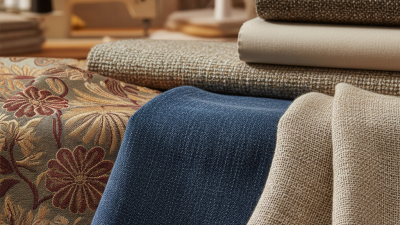
Global buyers often choose weave fabric because its structure can support a useful balance of strength, appearance, and everyday performance. Interlaced yarns create distinct surfaces, from crisp plain weaves to textured twills. That matters. A shirt, curtain, work garment, and upholstery cover each face different demands. The right construction can help a product keep its shape, handle regular use, and match its intended look.
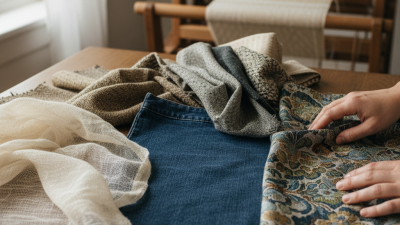
Price is only part of the decision. Buyers also compare fiber content, fabric weight, thread density, color consistency, and care requirements. A supplier’s sample can reveal details a product sheet may miss: a rough hand, uneven dye, or a finish that changes after washing. Not always. Testing against the intended use remains important, especially when orders involve large quantities or repeat production. Clear specifications and reliable communication help reduce avoidable surprises.
Still, no single weave fabric suits every market or product. A heavier cloth may feel dependable but add warmth; a lighter one may drape well yet need more careful handling. Buyers should weigh those trade-offs rather than assume one construction is universally better. This guide explores the practical reasons global buyers select woven materials, what they assess before ordering, and where careful checks matter. Even experienced teams can overlook a small detail. A thoughtful choice begins with the end use, not just the swatch.
What Is Woven Fabric and How Is It Made?
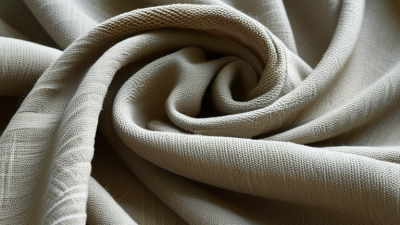
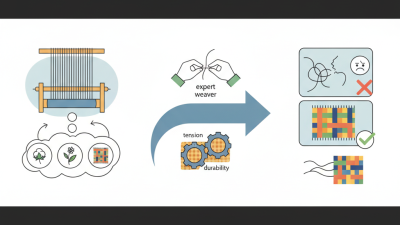
Woven fabric is made by crossing two yarn systems at right angles. Lengthwise yarns, called warp, are held under tension on a loom. Crosswise yarns, called weft, pass over and under them. The repeated interlacing creates a stable cloth structure. Simple, but precise.
Before weaving, yarns are selected and prepared. Their fiber type, twist, and thickness affect strength, texture, and appearance. On the loom, heddles lift selected warp threads while a shuttle or another insertion system carries the weft across. A reed presses each new pick into place. Small changes matter. A tighter sett can make cloth firmer, while looser spacing may improve drape and airflow.
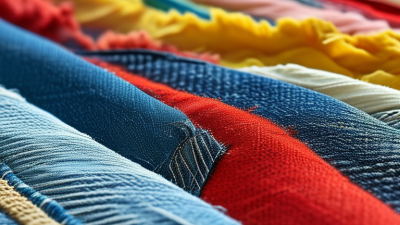
Plain weave alternates each yarn over and under, producing a balanced surface. Twill shifts the crossing points, leaving diagonal ribs often seen in denim. Satin uses longer floats for a smoother face, but those floats can snag more easily. Finishing may include washing, heat setting, or brushing, changing the fabric’s feel and dimensions. A label alone cannot predict performance. Weave, fiber, yarn quality, and finishing work together, and no single construction suits every use. This is where a neat chart gets less neat.
How Weave Structure Influences Fabric Performance
For global buyers, weave structure is more than a surface detail. It shapes how fabric handles tension, airflow, abrasion, and repeated washing. In a plain weave, yarns cross one over one, creating a firm, balanced surface. That matters. This construction often suits shirts, linings, and household textiles that need dependable shape. Twill’s diagonal ribs can help fabric drape smoothly and resist visible wear, making it a practical option for workwear and upholstery. Satin weaves use longer yarn floats for a smooth feel and subtle sheen, but those floats may snag more easily.
The right choice depends on the end use, yarn type, fabric weight, and finishing. A breathable weave may feel comfortable in warm conditions, yet offer less coverage or structure. Trade-offs remain. Buyers can compare samples under realistic conditions: bend the fabric, rub a test area, and check how it changes after laundering. These simple checks do not replace standardized testing, but they can reveal useful differences early. Weave alone cannot guarantee performance; fiber quality and finishing also matter. Even careful specifications can miss how a fabric feels in daily use, so feedback from wear trials deserves attention.
Weave structure affects how yarns interlace: plain weaves tend to be stable, twills often balance drape and durability, and satin weaves typically create smoother surfaces with more exposed floats. Ratings are illustrative relative tendencies, not laboratory measurements; fiber, yarn, fabric density, and finishing also affect performance.
Which Advantages Make Woven Fabric a Global Choice?
Woven fabric earns global preference through a practical structure: warp and weft yarns cross at right angles, helping many fabrics hold their shape during cutting and sewing. A tightly woven cotton poplin feels crisp; a heavier twill offers a more substantial hand. That matters at scale. Buyers can specify weight, yarn, and weave to suit different uses, though performance still depends on fiber choice and finishing.
Textile Exchange’s Materials Market Report 2024 puts global fiber production at 124 million tonnes in 2023. It projects 160 million tonnes by 2030. This covers all fibers, not woven fabric alone, but signals the scale of material sourcing behind textile supply chains. The World Trade Organization’s World Trade Statistical Review 2023 reported about US$339 billion in global textile exports and US$576 billion in clothing exports for 2022. These broad categories are not limited to woven goods, yet they show why adaptable fabric specifications matter across markets. Stable seams matter. Still, woven construction is not automatically superior: dense cloth can feel stiff, and unsuitable finishes may reduce comfort. A sample should be checked for drape, shrinkage, and seam behavior before bulk production.
Where Do Global Buyers Use Woven Fabrics?
Global buyers use woven fabrics in clothing, home furnishings, transport interiors, and industrial products. In apparel, cotton or blended plain weaves suit shirts and linings, while twills often serve trousers and workwear. The interlaced warp and weft yarns create a stable structure, but fiber choice and finishing still affect comfort, strength, and care.
Homes are another major destination. Buyers select woven upholstery for sofas, curtains for light control, and table linens for regular washing. A tightly woven fabric may resist wear, yet feel less soft or breathe less easily. Small samples can be misleading: a fabric that feels sturdy on a desk may behave differently across a large seat or window.
Woven materials also appear in luggage, footwear, vehicle seats, and selected filtration or protective applications. Each use calls for practical checks, such as abrasion performance, colorfastness, seam strength, and cleaning instructions. Requirements differ by product and market, so buyers should review relevant test data rather than rely on appearance alone. The right choice depends on use. Even experienced teams sometimes miss a detail, such as how a finish changes after repeated washing. That deserves a closer look.
What Factors Guide Woven Fabric Sourcing Decisions?
Global buyers compare more than color and price when sourcing woven fabric. Fiber content, yarn type, weave structure, and fabric weight shape how a material performs in use. A tightly woven cotton may resist wear, while a lighter plain weave can suit warm-weather shirts. Small changes matter. Feel matters.
Sourcing decisions should start with the product’s actual demands. For apparel, check drape, shrinkage, seam strength, and colorfastness after washing. For upholstery, abrasion resistance and dimensional stability may deserve more attention. Ask suppliers for current specifications and test reports, then compare them with a physical sample. A report is useful, but it does not replace inspection. Samples can mislead.
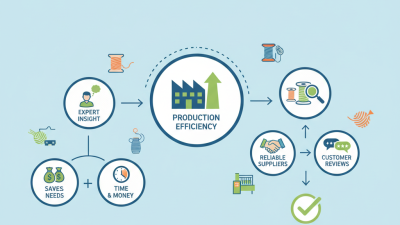
Cost, minimum order quantities, lead times, and production consistency also guide purchasing. Confirm fabric width and usable yield, since these affect cutting waste and the real cost per finished item. Request clear details about fiber origin and any environmental claims, with supporting documentation. One uncomfortable detail: a fabric can pass a lab test and still feel wrong on the finished garment. Keep approval samples, record agreed tolerances, and ask how defects are handled before placing a larger order.