What Is Weave Fabric Types Uses and Buying Guide?
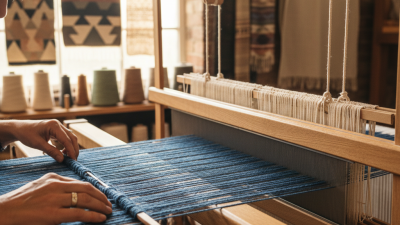
Choosing fabric becomes easier when you understand how threads cross, bend, and hold together. Weave fabric is formed by interlacing yarns in a planned structure, creating different textures, strengths, and appearances. A crisp cotton shirt, a sturdy canvas bag, and a soft linen curtain can all reveal different weaving decisions.
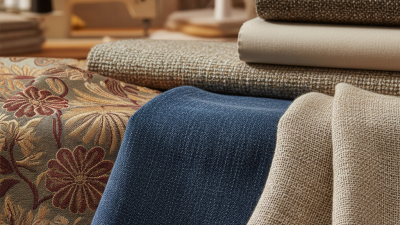
This guide introduces common weave fabric types, including plain, twill, satin, jacquard, and basket weaves. Each type performs differently. Plain weave feels balanced and dependable. Twill often shows diagonal lines and resists everyday wear. Satin can look smooth and luxurious, but its surface may catch easily. Jacquard patterns add visual depth through complex yarn arrangements. The details matter.
Real use matters more than appearance.
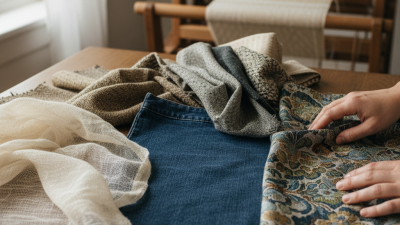
I have learned that fabric selection should begin with the final purpose, not only a beautiful photograph. Rub the surface gently. Hold it toward light. Check its weight, drape, edge stability, fiber content, and care label. A lightweight fabric may suit summer clothing, while dense canvas may better serve upholstery or work bags. Still, no label tells the whole story. Finishing treatments, yarn quality, and manufacturing standards can change performance significantly.
This buying guide combines practical inspection with established textile knowledge. It explains what to compare, where each weave works best, and which compromises deserve attention. A lower price may hide weaker yarns or difficult care requirements. A premium fabric may also disappoint if its structure does not match your project. Use the information carefully, test samples when possible, and let both evidence and personal preference shape your choice.
Weave Fabric Fundamentals: Warp, Weft, GSM, and Thread Count
Woven fabric is formed by crossing two thread systems: warp and weft. Warp yarns run lengthwise and usually create the fabric’s stability. Weft yarns pass across them, shaping width, texture, and pattern. When I inspect fabric, I look along both directions for skipped threads, uneven spacing, or waviness. A clean selvedge can support this check, but it is not proof of superior quality. That small detail matters.
GSM means grams per square meter, so it describes fabric weight rather than softness. A 180 GSM cloth may suit a light shirt, while 350 GSM may feel better for structured workwear. Use these figures as guidance, not a promise. Thread count measures the number of warp and weft threads within a defined area. Higher count can mean a smoother surface, but yarn thickness and finishing also affect performance. In testing, I once favored a dense fabric that felt impressive, then noticed it trapped heat. The first judgment was incomplete.
For buying, match construction to use. Choose balanced plain weaves for breathable everyday garments, and tighter twills for abrasion resistance. For bedding, compare GSM, thread count, fiber type, and washing instructions together. Ask for a physical swatch when possible. Rub it gently, hold it toward light, and check recovery after a fold. Measure shrinkage after washing, because specifications can change in real life. A reliable seller should explain tolerances, testing methods, and care requirements clearly. That is where expertise becomes practical.
Plain, Twill, Satin, and Jacquard Weaves Compared by Structure
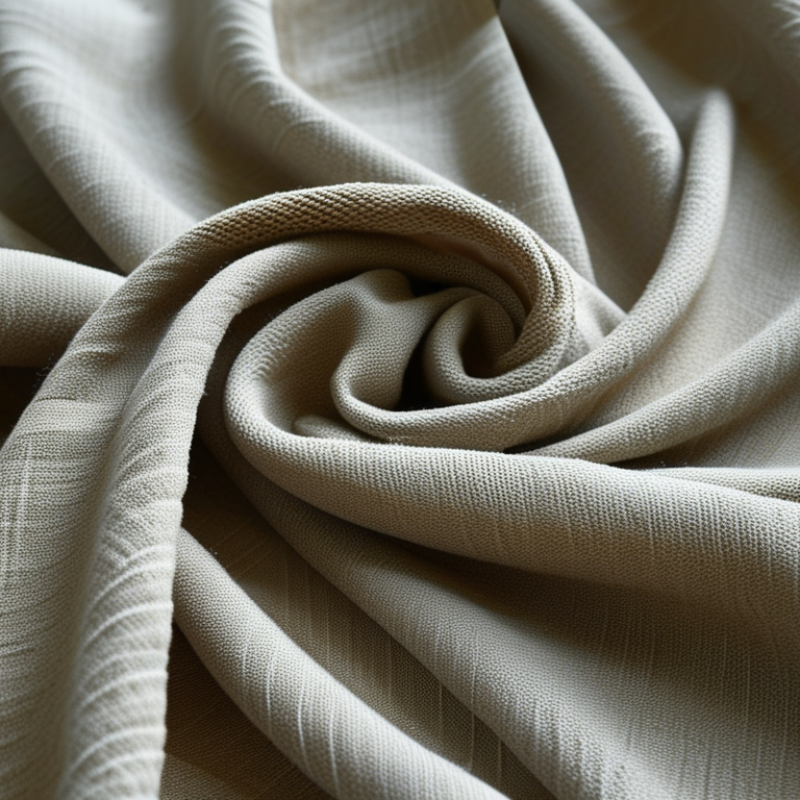
Choosing a weave starts with understanding how threads cross, not with surface appearance alone. Plain weave alternates over and under each thread, creating a stable, firm fabric. It resists snagging and suits shirts, lining, and light home textiles. The trade-off is limited drape and a slightly crisp hand. Small details matter.
Twill weave forms diagonal ribs through repeated offset patterns. Denim and workwear often use this structure because it handles abrasion well. Twill usually feels softer and hangs better than plain weave at similar weights. Inspect the diagonal line closely; uneven ribs may indicate inconsistent yarn tension or finishing. A tighter twill is not automatically better, since it can feel heavy and trap warmth.
Satin weave places longer floats on the surface, producing a smooth, reflective face. Those floats create elegance but can catch on rough jewelry or furniture. Use satin where appearance and fluid drape matter more than hard wear. Jacquard differs by controlling individual warp threads, allowing raised motifs, complex figures, and reversible effects. It can be durable, but dense patterns may increase weight and cost. When buying, rub a sample lightly, hold it toward light, and check the reverse side. I once judged a fabric by its shine and missed weak backing threads. That mistake still changes how I assess satin. Ask for fiber content, fabric weight, width, care instructions, and shrinkage data before ordering. A sample is useful. Product photos are not enough.
Performance Data: Strength, Breathability, Drape, and Abrasion Ratings
Weave fabric performance depends on structure, fiber, and finishing. Lab results matter more than a soft showroom touch. AATCC Technical Manual 2024 identifies moisture vapor transmission testing as a practical way to compare breathability. ASTM E96 reports results in grams per square meter per day. Lightweight open weaves often exceed 5,000 g/m²/day, while dense coated fabrics may fall below 1,000. These figures vary with humidity and test direction.
Strength should be checked through ASTM D5034 grab testing, with results shown in newtons. Medium-weight apparel fabrics commonly record about 300–800 N, while utility weaves may exceed 1,000 N. Drape testing under ASTM D1388 reports fabric length or bending behavior. Lower bending length usually means softer, more fluid movement. That sounds simple. It is not.
Abrasion deserves closer attention. ISO 12947-2 measures rubbing resistance through controlled cycles, but laboratories use different pressures, abradants, and failure points. A fabric surviving 20,000 cycles is not automatically better for every chair, bag, or jacket. For daily apparel, 10,000–20,000 cycles may be a useful screening range; heavy-use products often require 30,000 cycles or more. These are buying benchmarks, not guarantees. Ask for the full test report, specimen conditioning, and failure definition. I would also request a washed sample. Untested shrinkage can quietly change breathability, drape, and strength.
Industry Uses: Apparel, Home Textiles, Automotive, and Technical Fabrics
Woven fabric remains central to apparel, home textiles, automotive interiors, and technical products. Textile Exchange’s 2024 Materials Market Report estimates global fiber production reached 124 million tonnes in 2023. That scale makes material selection important. Plain weaves offer stability and lower cost. Twill adds drape and abrasion resistance. Satin creates a smooth surface, but it can snag easily. Small details matter.
In apparel, cotton or recycled polyester woven by twill can suit work shirts, trousers, and lightweight jackets. Check fiber content, fabric weight, shrinkage, and colorfastness before purchasing. For bedding and curtains, breathable plain weave fabrics feel practical, while heavier upholstery textiles need strong abrasion performance. Home use is rarely gentle. Automotive fabrics face sunlight, friction, moisture, and repeated cleaning. OICA recorded more than 93 million motor vehicles produced globally in 2023, supporting steady demand for durable interior textiles. Seat covers often need controlled stretch, low odor, and reliable seam strength.
Technical fabrics require stricter testing. Coated woven materials may support filtration, protective covers, reinforcement, or construction membranes. Smithers’ technical-textiles market analysis emphasizes performance, compliance, and application-specific testing. A high GSM value alone does not guarantee quality. It may add unnecessary weight. Buyers should request test results for tensile strength, tear resistance, abrasion, and flame behavior where relevant. The right weave depends on real conditions, not appearance. That judgment is sometimes missed.
Buying Guide: Match GSM, Fiber Content, Weave Density, and ISO Standards
What Is Weave Fabric Types Uses and Buying Guide?
Buying Guide: Match GSM, Fiber Content, Weave Density, and ISO Standards
A useful fabric purchase starts with the end use, not appearance. GSM means grams per square metre. Lightweight shirting often falls near 100–160 GSM, while durable canvas may exceed 250 GSM. These ranges are practical guides, not fixed rules. A tightly woven 180 GSM fabric can feel stronger than a loose 220 GSM fabric. Check this difference by rubbing the surface and inspecting pinholes under light.
Fiber content changes comfort, strength, and care needs. Cotton usually improves breathability, while polyester can improve abrasion resistance and drying speed. Blends may perform better, but labels need verification. ISO 1833 supports quantitative fiber analysis, and ISO 2076 identifies manufactured fibers. Ask suppliers for test reports, not only declarations. Textile Exchange’s Materials Market Report 2024 estimated global fiber production at about 124 million tonnes in 2023, showing why traceable material claims deserve closer attention.
Weave density is equally important. ISO 7211-2 provides methods for counting warp and weft threads. Higher thread counts can improve coverage, but counting alone does not guarantee softness or service life. Use ISO 3801 for mass per unit area and ISO 13934-1 for tensile strength. Request results from the actual production lot. One overlooked issue is finishing: coating, washing, and calendaring can change GSM after delivery. A sample may look perfect. It may still shrink, twist, or lose strength after laundering. Test it before committing to volume.