Choosing the best yarn for a weaving loom is less about popularity and more about performance. Yarn must match the loom, sett, fiber, and intended fabric. A soft wool yarn may create a warm scarf, while tightly spun cotton can produce cleaner edges and sharper geometric patterns. The wrong choice can cause fraying, uneven tension, or frequent warp breaks.
Industry data shows why material selection deserves attention. Textile Exchange’s Materials Market Report 2024 estimated global fiber production at about 124 million tonnes in 2023. It also projected growth toward 160 million tonnes by 2030. This expansion increases material choices, but it does not make every yarn suitable for weaving. Fiber claims should be checked carefully. Certification, traceability, and processing details matter.
Practical testing remains essential. Wind a small sample onto the loom and watch how it passes through the heddle. Does it flatten, shed, or resist tension? Check yarn thickness against the planned sett. ISO 2060 provides methods for measuring textile linear density, while ISO 2061 addresses yarn twist. These standards support more reliable comparisons, although home weaving rarely follows laboratory conditions perfectly.
That limitation matters.
A yarn can perform well in a test and still feel wrong in your hands. Experienced weavers often sample a small square before buying a full cone. This guide examines cotton, wool, linen, acrylic, and blended options. It compares strength, elasticity, surface texture, care requirements, and cost. The goal is not to name one universal winner. It is to help you select yarn for weaving loom projects with clearer evidence and fewer expensive surprises.
What Is the Best Yarn for a Weaving Loom?
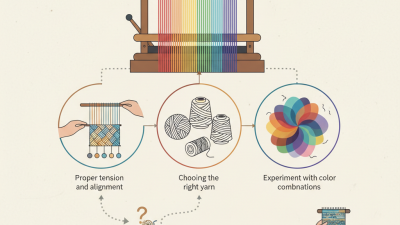
The best yarn depends on the loom, fabric structure, and intended use. At the loom, I check sett before choosing a final yarn. Sett means the number of warp ends in one inch. A dense sett creates a firm cloth, while a loose sett produces a softer, more open surface. For a balanced plain weave, begin with the yarn’s wraps per inch, or WPI. Divide WPI by two for a rough starting sett. This is only a starting point. Yarn twist and fiber content can change the result.
Yarn count also matters. It describes fineness or thickness through a measurement system, but the meaning changes between count standards. Confirm whether the label uses a weight-based or length-based count. Then compare that information with WPI and a small sample. Wind a short warp, weave several inches, and inspect the shed, edges, and beat. If the warp feels crowded, reduce the sett. If the cloth looks loose, increase it carefully. My first estimate is often wrong. That mistake usually reveals more than a chart.
ASTM D3888 provides standardized terminology for yarn-related descriptions. It helps weavers communicate clearly about yarn characteristics and count language. However, it does not replace hands-on testing. Record the yarn count, WPI, sett, loom width, and picks per inch. A simple notebook can prevent repeated errors. The right yarn should move smoothly, resist excessive fuzz, and create the fabric density you actually want.
Choosing the best yarn for a weaving loom depends on the project, not one universal winner. Cotton offers dependable strength and low elasticity, making it suitable for placemats, wall hangings, and firm fabric. It keeps edges fairly stable during weaving. However, tight cotton can feel unforgiving under high tension.
Wool has natural elasticity and gently fills small gaps between woven threads. It works well for scarves, blankets, and textured designs. Its fibers may shrink or felt with heat, friction, or careless washing. Linen is exceptionally strong and becomes softer with use. Yet, it has little stretch and may feel stiff while weaving. Acrylic is lightweight, affordable, and easy to wash. It resists shrinking, but it can pill, hold static, or look less breathable. My first comparison was too neat; yarn behavior changes with twist, thickness, and loom tension.
Tips: Test a small sample before starting. Wash the sample as you would wash the finished item. Use cotton for stable structure, wool for springy texture, linen for crisp durability, and acrylic for simple-care projects. A mixed yarn can be practical, but uneven elasticity may distort the edges. Watch the selvedges closely. They often reveal problems early.
| Fiber | Typical Yarn Strength | Elasticity and Stretch Recovery | Abrasion Resistance | Moisture Behavior | Best Loom Uses | Main Advantages | Care Requirements | Overall Loom Suitability |
|---|---|---|---|---|---|---|---|---|
| Cotton | Moderate to high. Common cotton yarns generally have a tenacity of about 3–5 cN/tex, and strength increases when wet. | Low elasticity. It holds a stable shape well but has limited stretch recovery. | Good, especially for smooth, tightly spun yarns. Repeated friction may eventually produce fuzz or thinning. | Absorbs moisture readily and dries more slowly than synthetic fibers. It may shrink if washed or dried with excessive heat. | Warp yarns, rugs, household textiles, towels, table runners, and structured wall hangings. | Predictable tension, smooth shed formation, wide availability, and a clean surface. | Usually machine washable, depending on the yarn construction. Use moderate temperatures and avoid high-heat drying to reduce shrinkage. | Excellent for beginners and everyday weaving |
| Wool | Low to moderate in dry conditions, commonly around 1–1.7 cN/tex. Individual yarn strength varies considerably by wool type and spinning. | High elasticity and excellent recovery because of its natural crimp. It tolerates movement and helps fabrics resist creasing. | Moderate. Resilience is good, but loose or soft wool can pill or felt under friction, moisture, and agitation. | Absorbs moisture vapor while retaining warmth. It can felt when exposed to heat, moisture, and vigorous movement. | Scarves, blankets, clothing, textured fabrics, tapestry details, and soft decorative pieces. | Warmth, bounce, loft, natural texture, and strong visual dimension. | Prefer hand washing or a wool cycle with cool water and mild detergent. Avoid rubbing, twisting, and high heat; dry flat when possible. | Excellent for soft, warm, and textured fabrics |
| Linen | High. Flax fibers are among the strongest common natural textile fibers, with typical yarn tenacity around 5.5–7.6 cN/tex. Linen becomes stronger when wet. | Low elasticity. It has limited stretch and can crease easily, but this contributes to a crisp, stable fabric. | Very good. It performs well in durable household textiles, although repeated bending can create a characteristic softened, worn look. | Absorbs moisture quickly and releases it relatively well. It may soften with washing and can shrink if exposed to high heat. | Durable towels, runners, summer fabrics, bags, placemats, and firm warp-faced weaves. | Exceptional strength, cool hand, crisp texture, and increasing softness with use. | Machine wash gently or wash by hand. Use moderate heat, reshape while damp, and iron while slightly damp if a smooth finish is desired. | Excellent for durable and crisp woven textiles |
| Acrylic | Moderate. Typical acrylic yarns often fall around 2.5–4.5 cN/tex, depending on fiber type, spinning, and finishing. | Moderate elasticity and good resilience. It generally recovers better than cotton or linen but has less natural bounce than wool. | Good for everyday decorative work, though heat and abrasion can damage the surface or cause pilling. | Low moisture absorption. It dries quickly and does not readily lose strength when wet. | Budget-friendly blankets, colorful wall hangings, samples, children’s projects, and easy-care home décor. | Lightweight, colorfast, quick-drying, inexpensive, and available in many colors and textures. | Usually machine washable, but use low to moderate heat. Avoid hot irons, open flames, and high dryer temperatures because acrylic can soften or melt. | Very good for colorful, washable, and low-maintenance projects |
Strength values are representative ranges for common spun yarns; actual performance depends on fiber quality, yarn size, twist, ply, finishing, and weave structure.
The best yarn depends on your fabric’s purpose, weave structure, and chosen sett. For many cotton projects, 8/4 cotton offers a sturdy, textured result. It works well for towels, runners, and medium-weight cloth. Its four-ply construction feels firm in the warp and handles regular weaving comfortably. A starting sett is often 12–16 ends per inch, but your loom and tension may change this range.
5/2 cotton is slightly finer and can create a smoother, more detailed fabric. It suits lighter towels, scarves, and designs with clearer color changes. Try approximately 18–24 ends per inch for plain weave. Twill usually needs a closer sett, while lace structures may need more space. Do not trust a chart blindly. Yarn twist, finishing, and your beating force all affect the final cloth.
Tips: Wrap the yarn around a ruler for one inch without packing it tightly. Use about half the wraps per inch for plain weave. Then weave a small sample. I once used a recommended sett without sampling, and the fabric became stiff. That mistake taught me to wash every sample before deciding. If the cloth feels rigid, reduce the sett. If the threads separate visibly, increase it. Small adjustments matter.
Choosing loom yarn requires more than checking fiber content or softness. Warp yarns face repeated tension, abrasion, and movement through heddles. A practical starting point is moderate twist with consistent tensile strength. Excessive twist can create a wiry yarn and uneven fabric. Too little twist may produce fuzzy, weak strands.
ASTM D2256 uses a single-strand tensile approach to measure how yarn behaves before breaking. For a useful comparison, condition yarn samples under controlled humidity and temperature. Test several specimens, not just one. Record breaking force, elongation, and failure patterns. A yarn that breaks at a high force may still perform poorly if results vary widely. Consistency matters on the loom.
Twist changes the result. Increased twist often improves cohesion, but it can reduce softness and alter yarn elasticity. During testing, clamp the strand carefully and avoid crushing it. Slippage at the jaws can create misleading results. I also inspect broken ends after each test. Clean, separated breaks suggest a clearer reading; pulled or damaged ends require caution. That detail is easy to miss.
For warp use, select yarn with stable strength and limited variation between samples. For weft use, a softer yarn may be acceptable when tension remains moderate. Small test skeins can reveal fuzz, snarling, and tension changes before full production. My judgment is not perfect. Loom speed, sett, and finishing can change the final outcome. Testing should guide the choice, not replace hands-on weaving.
What Is the Best Yarn for a Weaving Loom?
The best loom yarn depends on durability, texture, and the finished project. Warp yarn needs strength and low stretch because it stays under constant tension. Cotton, linen, and tightly spun wool often perform well. Weft yarn can be softer, thicker, or more decorative. It shapes the fabric’s surface and hand feel. Textile Exchange’s 2024 Materials Market Report estimates global fiber production reached 124 million tonnes in 2023. Polyester represented the largest share, while cotton remained a major natural fiber. However, high production volume does not guarantee suitability for hand weaving.
For towels, choose a firm, absorbent warp with moderate twist. Linen can create a crisp surface, but it may feel unforgiving during setup. For scarves, a smoother cotton warp and soft wool weft can balance stability with warmth. Check yarn count, twist, and abrasion resistance. ISO 2060 provides established methods for measuring yarn linear density, which helps compare different skeins accurately. My first sample is rarely perfect. A yarn that looks beautiful on the cone may produce uneven edges on the loom.
Tips: Make a small warp sample before buying large quantities. Pull the yarn gently and inspect fuzz, stretch, and breakage. Use a tighter, stronger yarn for warp. Reserve novelty yarns for limited weft sections. If the fabric feels stiff after washing, reduce density or choose a softer weft. Record sett, yarn weight, and washing results; memory is less reliable than notes.
Linen and hemp score highest for warp durability, while wool offers the softest and most textured weft. Cotton provides the most balanced choice for general-purpose weaving, and acrylic is useful when color retention, light weight, and easy care are priorities.