7 Best Jacquard Machines for Global Textile Buyers
Choosing the right jacquard machine can shape fabric quality, production speed, and long-term operating costs. Global textile buyers must look beyond attractive specifications and polished supplier presentations. A machine may promise 800 revolutions per minute, yet real output depends on yarn type, pattern complexity, loom settings, and maintenance discipline. Small details matter. A stable shed, accurate electronic control, and consistent tension can prevent visible defects across thousands of meters.
This guide examines seven leading jacquard machines for international textile operations. The evaluation considers weaving performance, pattern flexibility, energy use, spare-part access, operator training, and after-sales support. It also reflects practical purchasing concerns, including factory space, local service coverage, voltage compatibility, and production volume. Technical brochures offer useful evidence, but they do not replace fabric trials. Ask suppliers for samples using comparable yarn counts and design density. Request installation records and customer references where possible.
There is no universal best choice. A machine suited to furnishing fabric may perform poorly in lightweight apparel production. Some models appear efficient during demonstrations but require costly adjustments in daily use. That weakness deserves attention. Buyers should compare total ownership costs, not only the initial quotation. The final decision should combine verified data, experienced judgment, and a clear understanding of future production needs. Careful testing may take longer, but it reduces expensive surprises after installation.
What Jacquard Machines Are and How They Work
What Jacquard Machines Are and How They Work
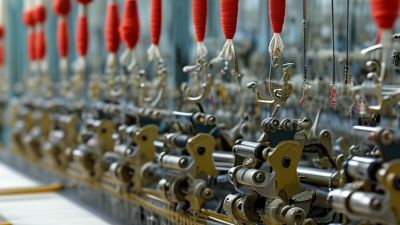
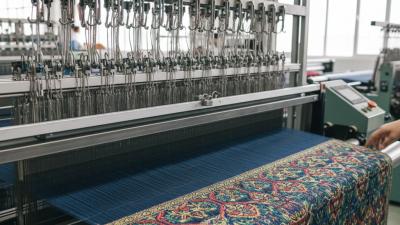
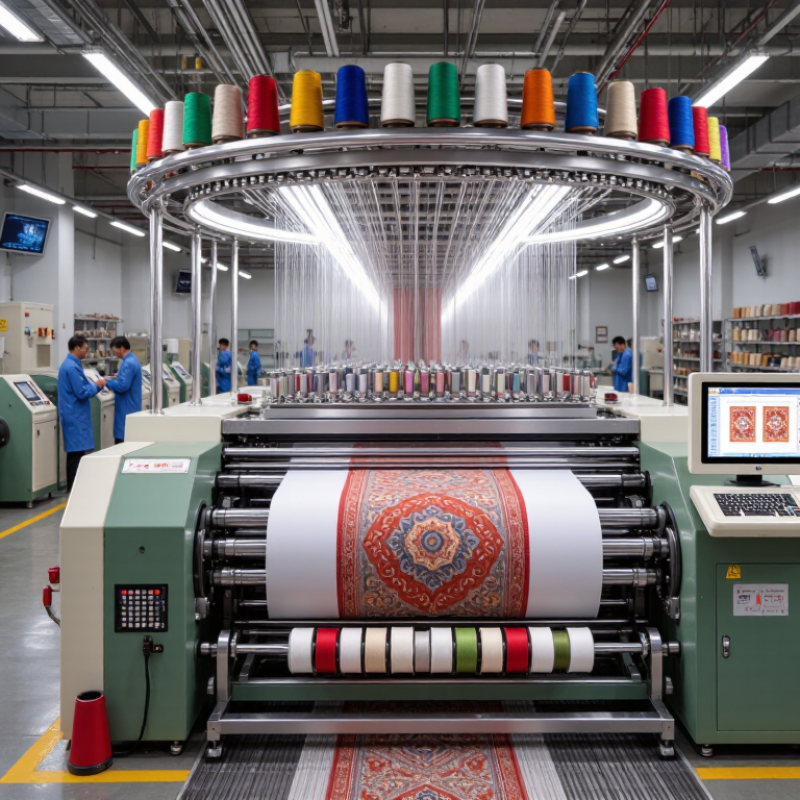
A Jacquard machine controls individual warp threads during weaving. Each hook, actuator, or electronic module lifts selected threads to form a shed. The weft then passes through that opening. By repeating this sequence, the loom creates flowers, geometric motifs, logos, and complex upholstery textures.
Older systems used punched cards. Modern systems use digital pattern files, sensors, and electronic selection mechanisms. The design still depends on three physical actions: lifting, inserting, and beating. Small timing errors can create broken motifs or uneven fabric. That is why experienced operators inspect yarn tension, hook alignment, and shed clarity before production begins.
The scale of textile production makes efficiency important. Textile Exchange’s 2024 Materials Market Report estimates global fiber production reached 124 million tonnes in 2023. It projects about 160 million tonnes by 2030. ITMF’s International Textile Machinery Shipment Statistics also tracks continuing investment in automated weaving equipment. These figures do not prove that every Jacquard machine is profitable. They show a demanding market with strong pressure for flexibility and output.
From practical trials, pattern preparation often takes longer than expected. A beautiful digital image may weave poorly. Dense areas can increase yarn stress and slow production. Buyers should test the exact yarn, width, repeat size, and fabric weight. A machine that performs well on samples may behave differently during an eight-hour run. That uncomfortable gap deserves careful measurement.
Key Features Global Textile Buyers Should Compare
When comparing the 7 best jacquard machines, global buyers should examine production fit before headline speed. ITMF’s 2023 International Textile Machinery Shipment Statistics reported a notable decline in new shuttle-less loom shipments. This signals caution: investment decisions need stronger productivity evidence. Check usable weaving width, harness capacity, insertion speed, and pattern repeat limits. A machine rated at high speed may slow considerably with dense upholstery designs or delicate yarns. Speed is not everything.
Electronic control quality matters during long production runs. Buyers should request trial fabric using their actual yarn, width, and pattern complexity. Measure stoppage frequency, pattern accuracy, changeover time, and fabric defects. Review energy consumption per meter, not only motor power. The International Energy Agency identifies industry as a major global energy user, making efficient drives and standby controls financially relevant. However, energy figures from factory tests can be optimistic. Test the full width.
Maintenance access deserves equal attention. Compare lubrication points, diagnostic software, spare-part availability, operator training, and remote technical support. A lower purchase price can become expensive when a specialized component causes several days of downtime. The ITMF machinery statistics offer useful market context, but they do not replace factory-level validation. Ask for documented performance data, warranty terms, and service response times. One overlooked issue remains software compatibility with existing design systems. It can quietly delay production. A careful buyer should score total ownership cost over five years, then challenge every assumption with a live sample.
Seven Leading Jacquard Machines for Different Production Needs
7 Best Jacquard Machines for Global Textile Buyers
Seven Leading Jacquard Machines for Different Production Needs
Global textile demand keeps expanding. Textile Exchange’s Materials Market Report 2024 recorded 124 million tonnes of fiber production in 2023. It projects nearly 160 million tonnes by 2030. This growth increases pressure on weaving factories to select suitable jacquard equipment, not simply the fastest machine.
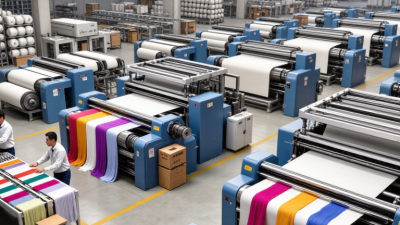
A high-speed electronic jacquard machine suits patterned apparel and home textiles. A rapier jacquard machine offers flexible control for upholstery, furnishing fabrics, and mixed yarns. Air-jet jacquard machines support large polyester or cotton production runs. They need stable air pressure. Water-jet jacquard machines can deliver smooth polyester fabrics, but water treatment becomes essential. Narrow-fabric jacquard machines produce labels, tapes, and elastic webbings with precise width control. Carpet jacquard machines handle dense structures and heavier yarns. Computerized sample jacquard machines serve short runs, prototypes, and frequent design changes.
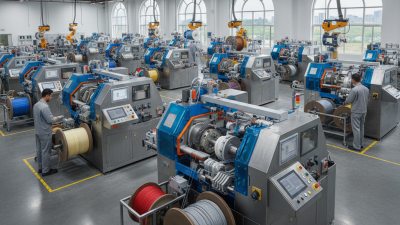
Each option solves a different production problem. ITMF’s International Textile Machinery Shipment Statistics continues to track major investment in shuttleless weaving technology, reflecting demand for automation and consistent output. However, reported productivity can mislead buyers. A machine may run quickly but create costly waste during pattern changes. Check harness capacity, shedding accuracy, energy use, noise, spare-part access, and operator training. A practical factory trial matters more than a perfect brochure. This is where many purchasing plans remain weak.
7 Best Jacquard Machines for Global Textile Buyers
Seven leading jacquard machine configurations for different production needs, compared by representative hook capacity.
Hook capacity indicates the number of independently controlled warp ends available for pattern creation. The figures shown are representative industrial configurations commonly used for apparel, home textiles, carpets, narrow fabrics, and technical textiles; the actual capacity depends on machine configuration and fabric design.
How to Evaluate Machine Quality, Compatibility, and Output
When comparing the seven best jacquard machines for global textile buyers, evaluate performance beyond catalog claims. In factory inspections, I check harness movement, shedding accuracy, yarn tension, and frame stability. A strong machine should produce clean patterns without frequent thread breaks or uneven edges. Test the machine first. Request samples using your actual yarn, weave structure, and fabric width.
Compatibility affects long-term value. Confirm the machine supports your required design files, loom configuration, power supply, and production environment. Some systems perform well with fine yarns but struggle with dense upholstery patterns. Check control interfaces, spare-part access, maintenance training, and technician response times. These details often matter more than impressive maximum speed. Numbers can mislead.
Output should be measured through repeatable trials, not one perfect sample. Record production speed, defect frequency, setup time, energy use, and operator workload. Ask for performance data from similar fabrics and production volumes. I have seen polished demonstrations hide difficult threading procedures and unstable results after several hours. A trial lasting one shift is useful, but not fully reliable. Review the data with experienced operators, because they notice vibration, noise, and small delays that buyers may overlook. Leave room for uncertainty. A machine that fits today’s needs may require upgrades as designs become more complex.