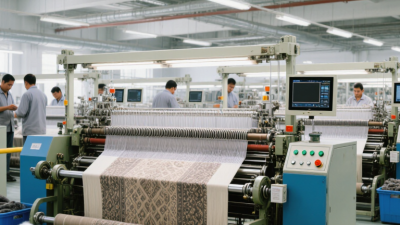
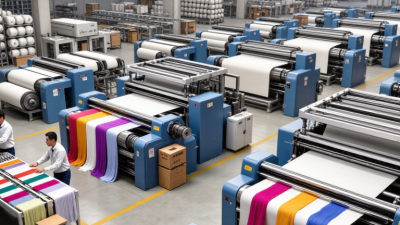
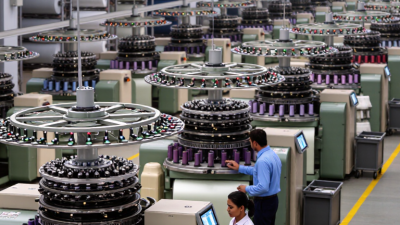
Choosing a power loom machine can reshape a textile business, but the decision deserves careful examination. It affects production speed, fabric consistency, labor planning, energy use, and maintenance costs. A modern machine may produce thousands of metres daily, yet output alone does not guarantee profit.
Dr. Seshadri Ramkumar, a textile materials expert and professor at Texas Tech University, has stated, “Innovation is the key to the future of textiles.” His view reflects an important business reality. Manufacturers must connect innovation with measurable results. A power loom machine can reduce uneven edges, stabilize tension, and support repeat orders. Operators can also monitor defects beside the loom, where broken threads and vibration become visible. Small details matter.
The strongest choice depends on fabric type, order volume, available skills, and factory conditions. A machine designed for heavy canvas may perform poorly with delicate cotton. Electricity costs can also change the expected return. That assumption needs testing.
A practical evaluation should compare hourly output, stoppage time, spare-part availability, training requirements, and fabric waste. Speak with experienced operators before purchasing. Their daily observations often reveal problems that brochures overlook. Request trial production when possible. Watch the cloth leave the machine.
The investment is not automatically right. Older equipment may still serve a stable niche. However, businesses seeking dependable quality and scalable production should examine the power loom machine carefully. The best decision combines technical evidence, operator experience, and realistic financial planning. Even a well-built machine cannot correct unclear production goals.
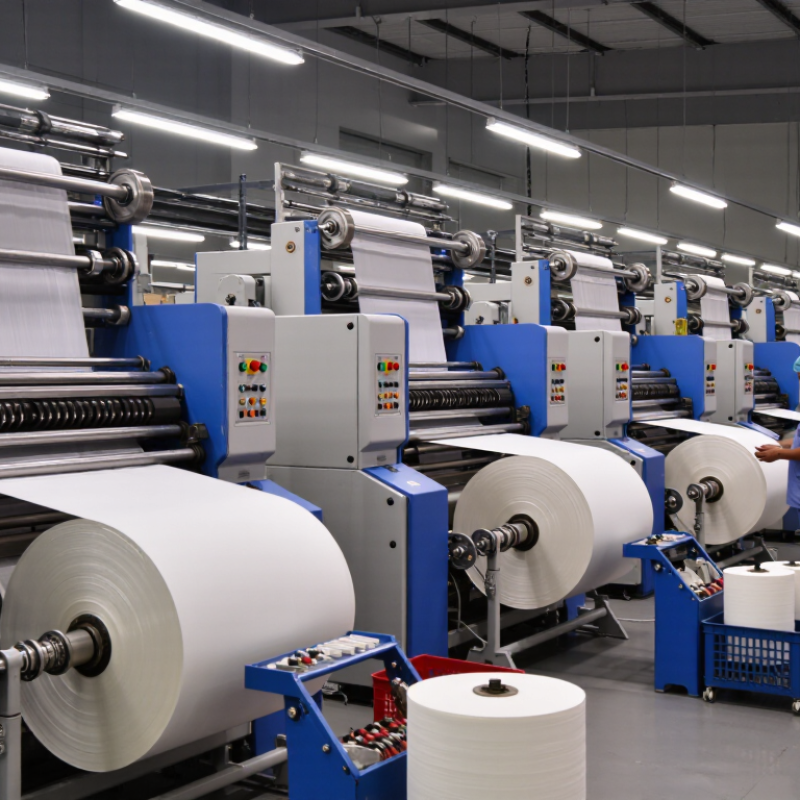
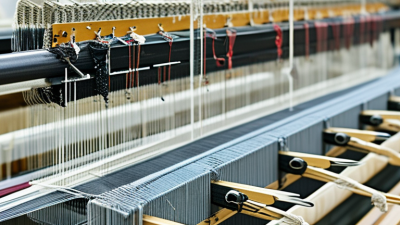
A power loom machine is a mechanized system that weaves yarn into fabric. It uses an electric motor to coordinate several moving parts. These parts include the warp beam, heddles, reed, and weft insertion system. Warp yarns run lengthwise through the machine. The loom lifts selected threads, creates a shed, and passes weft yarn across it. The reed then presses each new thread into place.
The process is fast and consistent. It can produce cotton, polyester, wool, and blended fabrics, depending on the machine’s settings. In a working textile room, operators monitor thread tension, fabric width, and unusual vibration. A loose warp thread can cause a visible line within minutes. Small adjustments matter. Regular cleaning also prevents lint from affecting moving components.
Power looms support repeatable production and reduce physical weaving effort. However, speed alone is not productivity. Poor calibration may create waste, uneven edges, or frequent machine stops. A responsible setup includes guarded moving parts, operator training, and a clear maintenance schedule. Energy use should also be measured before expanding production. New users sometimes focus only on output. That is easy to regret. The machine must match the yarn, fabric design, floor space, and available technical skills.
A power loom turns yarn into fabric through coordinated mechanical movements. The motor supplies controlled energy to the main shaft. Gears, cams, or electronic drives then time each operation. Warp yarns run lengthwise through heddles and a reed. Weft yarn travels across the opening between them. This opening is called the shed. The sequence looks simple. It is not. Timing must remain accurate while the machine runs at high speed.
During weaving, heddles lift selected warp threads to form the shed. A shuttle, rapier, or air system carries the weft through it. The reed pushes the new pick firmly against the fabric edge. This action is called beating-up. Rollers draw the cloth forward, while a let-off system releases warp yarn at a measured rate. Tension controls matter greatly. A slight imbalance can create loose edges, uneven bars, or broken threads.
Operators usually adjust speed, yarn tension, pattern settings, and fabric width before production. Sensors may stop the loom when a thread breaks, but they cannot replace careful inspection. In practical use, power looms offer repeatable motion and steady output. Still, automation is not perfection. Humidity, yarn quality, and poor alignment affect results. A trial run with close observation often reveals problems earlier than a full production batch.
| Business Dimension | Power Loom Machine | Why It Matters |
|---|---|---|
| Production method | Motor-driven weaving with automatically coordinated shedding, picking, and beat-up motions | Supports repeatable fabric production with less manual intervention |
| Typical operating speed | Approximately 100–1,000 picks per minute, depending on loom type, fabric construction, and yarn | Higher speed can increase output, but suitable settings are required to protect fabric quality |
| Weaving capacity | Production depends on loom width, speed, picks per inch, utilization, and operating hours | Capacity can be estimated using measurable production variables rather than machine speed alone |
| Fabric width | Common machine widths range from narrow industrial formats to approximately 3.6 meters or more | The required width should match the intended product and available workspace |
| Material compatibility | Can be configured for materials such as cotton, polyester, viscose, wool, blended yarns, and technical fibers | Yarn strength, elasticity, hairiness, and friction determine the correct loom settings |
| Labor requirement | Operators typically handle setup, yarn preparation, monitoring, replenishment, inspection, and maintenance | Automation reduces repetitive hand-weaving tasks while skilled supervision remains important |
| Product consistency | Electronic or mechanical controls maintain programmed timing, tension, and insertion settings | Stable settings help reduce variation between production batches |
| Energy requirement | Uses electrical power for the main drive, controls, sensors, and auxiliary systems | Actual consumption varies with motor efficiency, speed, width, fabric type, and operating conditions |
| Quality control | Modern systems may use stop motions and sensors to detect issues such as warp breaks or weft depletion | Early detection can limit fabric defects and reduce material waste |
| Maintenance needs | Requires regular cleaning, lubrication where specified, alignment checks, sensor inspection, and replacement of wear parts | Preventive maintenance helps preserve performance, safety, and fabric quality |
| Operating Stage | Main Component | Function |
|---|---|---|
| 1. Warp preparation | Warp beam and tensioning system | Feeds parallel lengthwise yarns at controlled tension |
| 2. Shedding | Heddles, shafts, or dobby/jacquard mechanism | Separates selected warp yarns to create an opening called the shed |
| 3. Weft insertion | Shuttle, rapier, projectile, or air-jet system | Places the crosswise weft yarn through the shed |
| 4. Beat-up | Reed and sley | Pushes the newly inserted weft yarn into the fabric fell to form the required pick density |
| 5. Fabric take-up | Take-up roller and fabric beam | Withdraws and winds the woven fabric at a controlled rate |
| 6. Warp let-off | Let-off mechanism | Releases additional warp yarn as weaving progresses to maintain stable tension |
| 7. Monitoring and stopping | Sensors, stop motions, and control panel | Monitors selected conditions and can stop the loom when a detected fault requires attention |
Note: Operating speed, production rate, energy use, and fabric width vary by loom design, weaving technology, yarn properties, fabric construction, and operating conditions.
Power loom machines differ mainly in how they move the weft yarn across the shed. Shuttle looms use a shuttle carrying yarn through the warp. They are sturdy and suitable for simple fabrics, but their speed and noise can limit modern production. Maintenance is usually straightforward, which matters in smaller workshops.
Rapier looms use flexible or rigid rapiers to guide the weft. They handle many yarn types and fabric widths with good control. This makes them useful for heavier textiles, decorative patterns, and mixed materials. Air-jet looms insert yarn with compressed air and operate at high speeds. They work best with stable, lightweight yarns. However, air consumption and compressor maintenance deserve careful planning.
Water-jet looms use fine water streams to carry the weft. They can produce smooth synthetic fabrics quickly, yet they require water management and suitable yarns. Projectile looms use small carriers instead of a traditional shuttle. They offer strong weft control for wide or dense fabrics. Each type has trade-offs. No machine is perfect. In factory assessments, operators often focus on output first and overlook setup time, cleaning, and training. That mistake can reduce real productivity. A practical choice should compare fabric requirements, floor conditions, energy use, spare-part access, and operator skill. Sometimes a slower loom performs better because it causes fewer stoppages.
What are the main types of power loom machines? The chart compares typical weft-insertion speeds across major loom types. Higher speed can support greater output, while fabric compatibility, yarn characteristics, energy use, and product quality remain important selection factors.
Indicative industry operating ranges in picks per minute. Actual performance varies by loom width, fabric construction, yarn, and machine settings.
A power loom machine can give a textile business steadier output and more predictable quality. It controls yarn tension, shuttle movement, and fabric formation with careful timing. This reduces uneven edges, loose threads, and repeated manual adjustments during long production runs.
Consistency matters to buyers.
Operators can monitor fabric width, machine speed, and thread condition during each shift. A simple inspection log helps identify unusual vibration, heat, or pattern changes before they cause large defects. Regular lubrication and scheduled cleaning also protect moving parts. These details may seem ordinary, but they strongly influence operating costs and delivery reliability.
A power loom does not solve every production problem. It requires trained operators, suitable floor space, and a dependable maintenance routine. Energy use can also become expensive when machines run below capacity. A business should compare expected output with electricity, labor, spare parts, and downtime costs before purchasing. The most suitable machine depends on fabric type, order volume, and available technical support.
Small mistakes still happen.
An operator may overlook a worn belt or adjust tension too quickly. Clear procedures and practical training reduce these risks. Buyers should review safety features, service access, adjustment ranges, and verified performance data. A careful trial run with the intended yarn and fabric structure can reveal problems that a sales brochure may not mention.
Before buying a power loom machine, define your actual production needs. Consider fabric type, required width, daily output, and available floor space. A machine designed for heavy fabric may perform poorly with delicate materials. Ask for a live demonstration and request sample fabric from your own yarn. This reveals tension problems that brochures often hide. My first production estimate was too optimistic. I had underestimated setup time, cleaning, and operator adjustments. Measure those details before calculating profits.
Tips: Compare total ownership costs, not only the purchase price. Include electricity, installation, spare parts, maintenance, training, and possible downtime. Check whether replacement components are readily available. Review the supplier’s technical records and warranty terms carefully. A reliable supplier should explain maintenance intervals in clear language. Avoid vague promises.
The machine’s control system also matters. Simple controls can reduce training time, but advanced monitoring may improve consistency. Check noise levels, safety guards, emergency controls, and ventilation requirements. Your workplace should support safe operation and comfortable movement around the machine. Ask an experienced technician to inspect the frame, motor, wiring, and alignment before payment. Small defects can become expensive later. Do not ignore energy efficiency, either. A machine that runs quickly but consumes excessive power may weaken your margins. Leave room for learning. Real production is rarely as smooth as a test run.