How to Use a Hand Loom for Beginners and Create Beautiful Fabrics
In the captivating world of textile artistry, the hand loom stands out as a gateway for beginners eager to explore the creative possibilities of fabric-making. As renowned weaving expert Anna Johnson once said, "The hand loom connects us to the age-old tradition of weaving, allowing each thread to tell a story of its own." This sentiment captures the essence of why many are drawn to this timeless craft.
Whether you are looking to knit your first scarf or experiment with intricate patterns, using a hand loom can be a rewarding and fulfilling experience. The tactile nature of this craft invites beginners to engage directly with their materials, fostering a deeper appreciation for the textures and colors of the yarns they choose. In this introduction to hand loom weaving, we will guide you through the essential steps and techniques that will help you create beautiful fabrics, while grounding you in the rich history and cultural significance of this ancient art form. Allow your creativity to flourish as you embark on this exciting journey into weaving!
Understanding the Basics of Hand Looms for Beginners
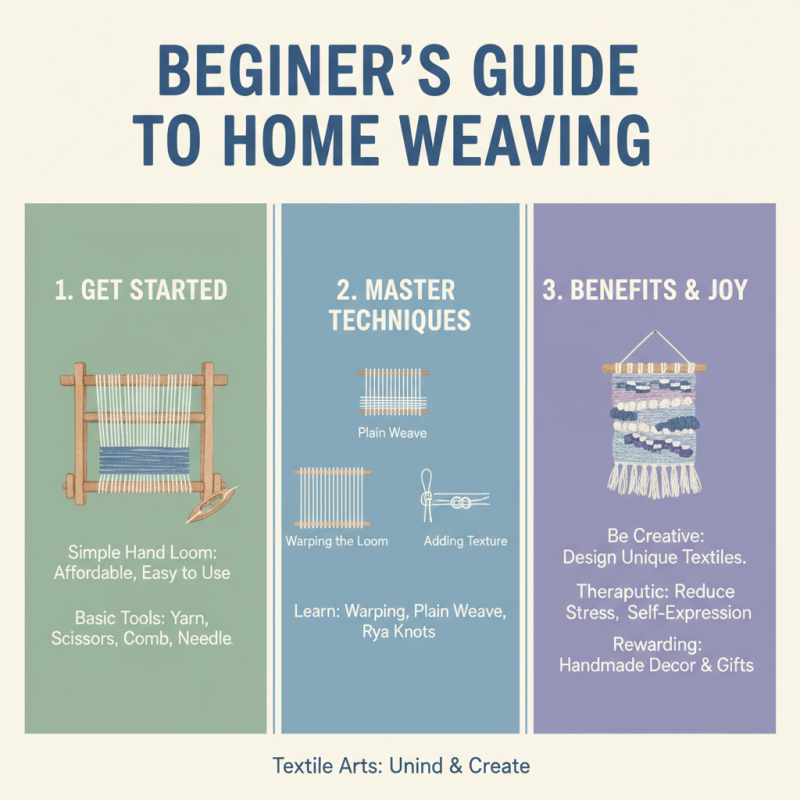
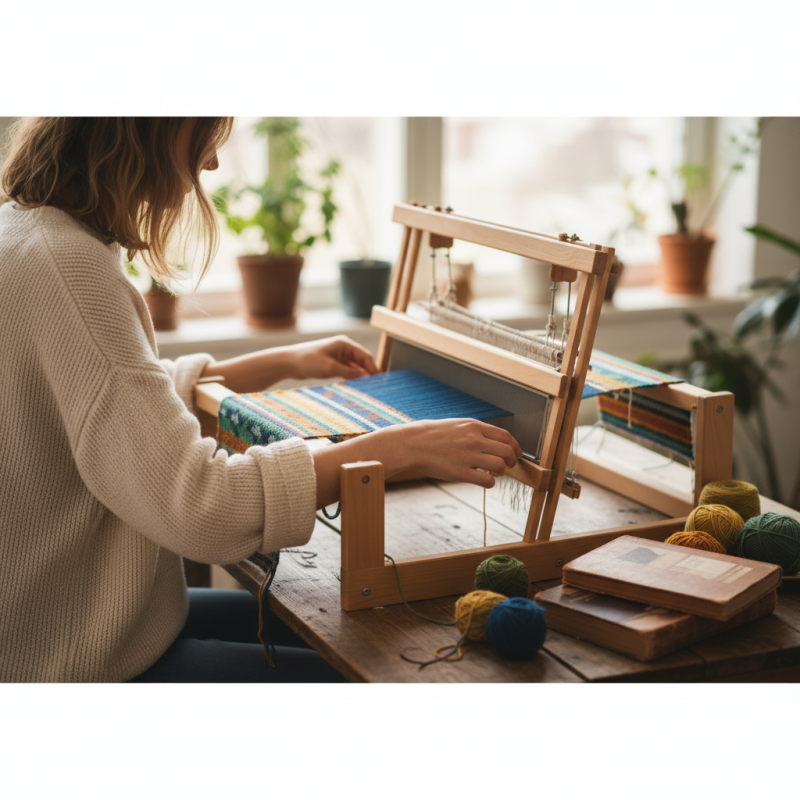
When starting your journey with hand looms, it's essential to understand the fundamental principles that govern their use. A hand loom consists of a series of threads arranged in a systematic manner, known as the warp, and the threads woven through them, called weft. Beginners should become familiar with setting up the loom, which involves threading the warp threads through the loom's heddles and fixing them securely. This initial setup is crucial, as it determines the tension and overall structure of the fabric.
Once the loom is set up, it's time to explore basic weaving techniques. Beginners can start with simple patterns, such as plain weave, where the weft threads are passed over and under the warp threads alternately. This method allows learners to grasp the rhythm of weaving and develop their skills. Practicing these basic techniques will enable you to experiment with different colors and textures, ultimately leading to the creation of unique and beautiful fabrics. As you gain confidence, you can progress to more complex patterns and designs, enhancing both your technique and creativity.
Essential Tools and Materials for Loom Weaving
When starting your loom weaving journey, having the right tools and materials is essential to create beautiful fabrics. First and foremost, you will need a hand loom. There are various types available, including rigid heddle looms and tapestry looms, each suited for different styles of weaving. Choose one that fits your comfort level and the projects you wish to undertake. Along with the loom, a shuttle is a necessary tool for passing the weft yarn through the warp threads. Make sure to select a shuttle that complements the loom size and type you are using.
In addition to the loom and shuttle, gather a few other tools to enhance your weaving experience. A tensioning device can help keep your warp threads evenly taut, which is vital for achieving a nice finish. Scissors or a yarn cutter are essential for trimming threads to avoid mess. As for materials, choose high-quality yarn that matches your project’s requirements. Consider different fiber types such as cotton, wool, or blended yarns based on the texture and durability you desire. Lastly, don’t forget about a weaving comb or beater, which will help you pack the weft threads tightly together, creating a polished surface on your finished fabric. With these essential tools and materials, you're well on your way to embarking on an enjoyable weaving adventure.
Fabric Production by Different Weaving Techniques
Step-by-Step Guide to Setting Up Your Hand Loom
Setting up a hand loom as a beginner can be an exciting endeavor that opens the door to endless creativity. First, start by selecting a suitable workspace. Ensure it's well-lit and has enough room for the loom and any materials you'll be using. Clear a flat surface to place your loom and gather essential supplies such as yarn, a shuttle, and a warping board. Understanding the components of your loom is crucial; familiarize yourself with the warp beams, heddles, and reed, as these play vital roles in the weaving process.
Once your workspace is prepared, begin the warping process, which involves threading the yarn through the heddles and around the warp beam. Take your time to measure the warp threads accurately; this will help you achieve the desired fabric width. After the warp is ready, secure it onto the loom, ensuring the threads are evenly tensioned. With the loom set up, you can now start weaving. Experiment with different patterns and stitches, allowing you to create beautiful fabrics that reflect your personal style. Enjoy the journey as you learn and create!
Basic Weaving Techniques to Create Beautiful Fabrics
Weaving is a beautiful and rewarding craft that has been practiced for centuries, allowing you to create stunning textiles right at home. For beginners looking to master basic weaving techniques, understanding the fundamentals is key. Start with a simple hand loom, which is more affordable and easier to manipulate than larger commercial looms. Research shows that engaging in textile arts not only fosters creativity but also provides therapeutic benefits, offering a way to unwind and express yourself through fabric.
One essential technique to learn is the plain weave, the foundation of most weaving projects. This involves alternating your warp threads (the threads running lengthwise) with your weft threads (the threads woven in and out across the warp). By mastering this technique, you can produce various textures and patterns, paving the way for more complex weaves. To enhance your projects, consider incorporating different yarn types and colors, as studies reveal that diverse materials can add depth to your final fabric.
Tips: Always maintain an even tension on your warp threads, as this ensures balanced fabric structure. Additionally, keep a journal of your weaving projects to track your progress and experiment with new techniques. As you become comfortable with basic weaving, challenge yourself with patterns like twill or houndstooth to expand your skills and create more intricate designs. Remember to take your time and enjoy the process; the beauty of weaving lies in both the journey and the finished product.
Tips for Experimenting with Patterns and Colors in Weaving
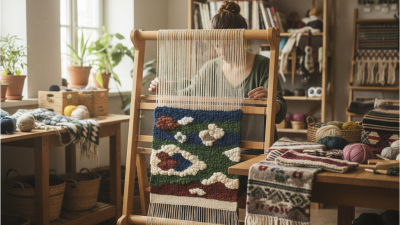
Experimenting with patterns and colors in weaving is an exciting way for beginners to express their creativity using a hand loom. According to a recent report by the Craft Yarn Council, approximately 38% of textile crafters are interested in exploring color combinations and patterns, indicating a significant trend towards personalized fabric creation. Beginners can start by choosing a basic weaving pattern, such as plain weave or twill, which can easily be modified with different colors of yarn. Mixing and matching yarns in complementary and contrasting hues not only enhances the visual appeal of the fabric but also allows weavers to develop a deeper understanding of color theory and its impact on design.
For those looking to push the boundaries of their creations, focusing on geometric patterns and organic motifs can lead to distinctive results. Data from the National Weaving Association suggests that incorporating at least three colors in a single project can elevate the complexity and richness of the finished piece. One effective approach is to create a color palette inspired by nature or art, as this can help streamline the decision-making process when selecting yarns. Beginners are encouraged to keep a swatch book, where they can document their experiments with different patterns and color combinations, making it easier to recreate or innovate designs in future projects. Ultimately, the key is to embrace experimentation, as it allows weavers to find their unique style and enhance their skills in the craft.
How to Use a Hand Loom for Beginners and Create Beautiful Fabrics - Tips for Experimenting with Patterns and Colors in Weaving
| Material |
Color |
Pattern |
Technique |
Notes |
| Cotton |
Blue |
Stripes |
Plain Weave |
Great for beginners |
| Wool |
Red |
Geometric |
Twill |
Warm and cozy fabric |
| Silk |
Gold |
Floral |
Jacquard |
Luxurious finish |
| Linen |
Green |
Checks |
Basket Weave |
Breathable and strong |
| Acrylic |
Purple |
Textured |
Looping |
Durable and vibrant colors |