Weavetech

What Are China Top Fabric Weaving Machine Manufacturers?

China’s fabric weaving machine sector has become a major force in global textile production. International Textile Machinery Federation (ITMF) shipment reports consistently place China among the largest markets for shuttleless looms. This position reflects strong domestic demand, broad manufacturing capacity, and extensive export experience. However, market size does not automatically prove machine quality.

That distinction matters.

A reliable manufacturer should demonstrate stable weaving performance, documented factory experience, and responsive technical support. Buyers should examine loom speed, fabric width, insertion technology, energy consumption, spare-part availability, and software compatibility. Practical evidence is valuable. A machine running continuously on a denim, automotive, or technical-textile line reveals more than a polished brochure.

Industry data also supports careful comparison. The ITMF International Textile Machinery Shipment Statistics tracks global machinery movements and helps identify manufacturing trends. Reports from the China Textile Machinery Association provide additional insight into China’s equipment production, technological development, and export structure. These sources are useful, but they do not replace factory audits or sample testing.

This guide explores China’s top fabric weaving machine manufacturers through a buyer-focused lens. It considers product specialization, engineering capability, certification, service networks, and overseas installation experience. Some rankings may remain debatable. “Top” depends on the fabric, production scale, budget, and risk tolerance.

That is the uncomfortable part.

A low purchase price can become expensive through downtime, training gaps, or delayed components. Therefore, the best supplier is not always the largest one. It is the manufacturer that can repeatedly match your fabric requirements with measurable, supportable performance.
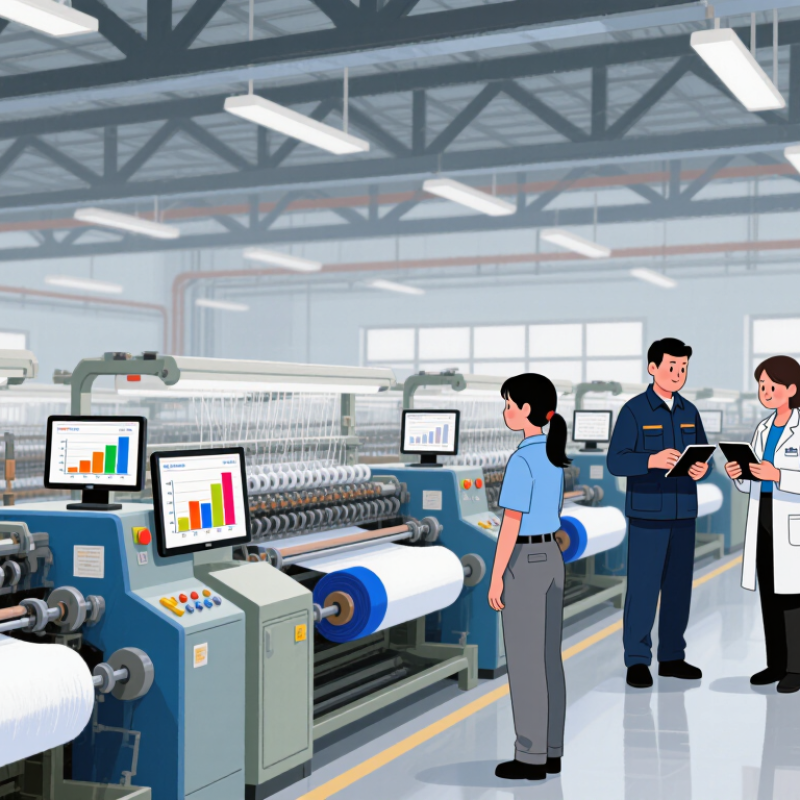
What Are China Top Fabric Weaving Machine Manufacturers?

Defining Fabric Weaving Machines and Their Main Industrial Uses

What Are China Top Fabric Weaving Machine Manufacturers?

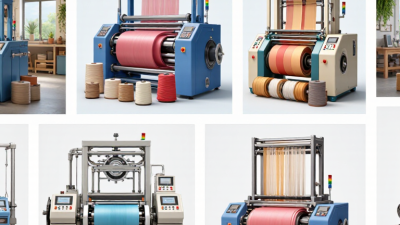
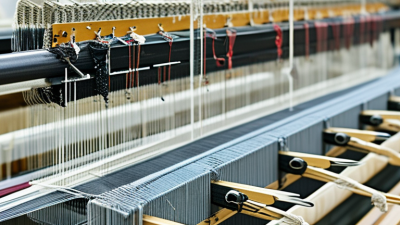
Fabric weaving machines interlace warp and weft yarns to create stable textile structures. Their core systems include the shedding, picking, beat-up, and take-up mechanisms. Modern shuttleless looms usually produce higher speeds, cleaner edges, and fewer interruptions than traditional shuttle looms.

Their industrial uses are broad. Air-jet looms suit lightweight apparel fabrics and home textiles. Rapier looms handle denim, upholstery, technical fabrics, and complicated patterns. Water-jet looms remain effective for some hydrophobic filament materials. The correct machine depends on yarn type, fabric width, density, speed, and moisture conditions. It is not simply a matter of choosing the fastest loom.

Grand View Research valued the global textile machinery market at approximately USD 26.3 billion in 2023. Its forecast indicates continued growth through 2030, supported by automation and textile production expansion. The International Textile Machinery Federation also tracks worldwide loom shipments and shows strong demand for shuttleless equipment. However, shipment figures do not prove manufacturing quality. They only show market activity.

When evaluating Chinese manufacturers, buyers should inspect sample fabric, energy consumption, spare-part availability, and control-system stability. Factory acceptance tests are essential. A machine may perform well during a short demonstration but struggle during continuous production. That weakness is easy to overlook. Technical support, operator training, and documented maintenance records often matter more than an attractive initial quotation.
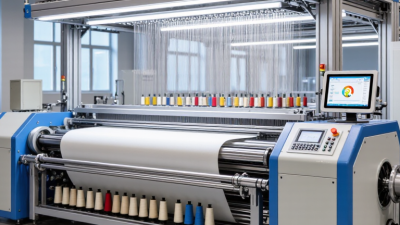
China’s Leading Fabric Weaving Machine Manufacturers by Product Focus

What Are China Top Fabric Weaving Machine Manufacturers?

China’s Leading Fabric Weaving Machine Manufacturers by Product Focus

China’s fabric weaving machine sector is best understood by product focus, not factory size. Air-jet loom manufacturers target high-speed production of cotton, polyester, and blended fabrics. Their machines commonly feature electronic let-off systems, automatic weft detection, and operating speeds above 700 revolutions per minute. Rapier loom manufacturers focus on flexibility. They serve denim, home textiles, technical fabrics, and heavier constructions. The categories overlap. That distinction is imperfect.

Water-jet loom manufacturers mainly support lightweight synthetic fabrics, including polyester filament materials. Their designs emphasize stable insertion, low vibration, and efficient water circulation. Narrow-fabric specialists produce machines for webbings, labels, elastic tapes, and industrial straps. These systems need precise tension control rather than extreme width or speed. ITMF’s International Textile Machinery Shipment Statistics 2023 reported global shuttle-less loom shipments falling 39%, to roughly 94,000 units. This decline makes application matching more important than purchasing the fastest machine.

A serious buyer should compare fabric trials, spare-parts availability, energy consumption, and documented uptime. The 2023 Global Machinery Market Review also indicates that automation and digital monitoring remain major investment priorities in textile production. Yet specifications can look better on paper than on the factory floor. Ask for sample fabric, test records, and references using similar yarn. A lower-priced machine may create higher maintenance costs. That is easy to miss.

Key Technologies Used in Chinese Weaving Machine Manufacturing

China’s fabric weaving machine manufacturers increasingly compete through engineering depth, not simply production volume. Modern looms combine mechanical accuracy, digital control, and practical energy management.

Rapier systems guide delicate yarns across wider fabric widths with fewer interruptions. Air-jet models use calibrated airflow to insert weft yarn rapidly. Servo motors adjust speed and braking with remarkable precision. Electronic let-off systems maintain stable warp tension during long production runs.

Small deviations matter. A weak tension setting can create bars, streaks, or uneven fabric edges.

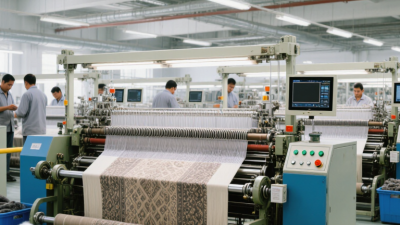
Manufacturers also integrate programmable logic controllers, touchscreen diagnostics, and remote data collection. Sensors monitor vibration, temperature, yarn tension, and motor load in real time. Jacquard interfaces can coordinate thousands of warp threads for intricate patterns.

In well-managed factories, these signals support preventive maintenance rather than emergency repairs. However, connected equipment is not automatically intelligent. Poor sensor placement, outdated software, or untrained operators can still reduce output.

Ask for speed records using yarns similar to your own. Examine fabric samples under strong side lighting. Check noise, oil control, cleaning access, and spare-part compatibility.

Chinese engineering teams often customize reed widths, weaving density, and control settings for regional production needs. That flexibility is valuable. It can also complicate maintenance when specifications change too frequently.

How to Compare Chinese Fabric Weaving Machine Suppliers

How to Compare Chinese Fabric Weaving Machine Suppliers

Comparing Chinese fabric weaving machine suppliers requires more than checking the lowest quotation. ITMF’s 2023 International Textile Machinery Shipment Statistics reported weaker global demand for shuttle-less looms. This makes production stability especially important during uncertain market cycles.

Ask each supplier for identical test conditions. Specify yarn count, fabric width, speed, and running hours. Then compare measured output, fabric defects, noise, and energy consumption. A machine reaching 800 rpm may perform poorly with your actual yarn. Request a trial using your materials. Small details matter.

Review the machine’s control system, spare-part availability, installation support, and operator training. The supplier should provide documented maintenance intervals and response times. Check factory records, export experience, and quality procedures. Independent inspection can verify frame accuracy and electrical safety before shipment. The ISO 9001 standard helps assess process control, but certification alone proves little.

Calculate total ownership cost over five years. Include electricity, consumables, downtime, software updates, and technician visits. The International Energy Agency emphasizes the importance of efficient motor systems in industrial energy management. However, suppliers may present energy figures under favorable conditions. Ask for tested data. I would also compare three references using similar fabrics. One weakness remains: public supplier data is often incomplete, so buyer verification still matters.

Choosing the Right Manufacturer for Your Production Requirements

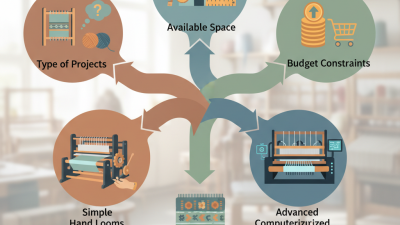
Choosing a fabric weaving machine manufacturer in China should begin with your production requirements, not a catalog photograph. Define fabric width, fiber type, target speed, daily output, and acceptable defect levels. A machine for lightweight apparel fabric may not suit heavy industrial cloth.

Ask for documented experience with similar materials. Request running samples made from your yarn, not only demonstration fabric. Check the machine frame, shedding system, control interface, and tension stability during continuous operation. Small details matter. A ten-minute test proves little.

Visit the factory when possible, or arrange a live video inspection. Review machining areas, assembly procedures, testing records, and spare-parts storage. Reliable manufacturers should explain installation, operator training, warranty limits, and response times clearly. Confirm electrical standards and required maintenance before signing any agreement.

Price deserves careful examination. Compare energy use, replacement parts, installation costs, and expected downtime over several years. A lower purchase price can become expensive after repeated stoppages. Independent quality checks may also reveal issues that sales documents overlook. I once underestimated service access on a complex machine; cleaning took longer than expected. That mistake changed how I evaluate layout and maintenance space. Choose a manufacturer willing to discuss weaknesses, not one promising perfection.