Top 5 Automatic Tray Former Machines for Efficient Packaging?
In the fast-paced world of packaging, efficiency is crucial. Automatic Tray Former machines have emerged as essential tools for streamlining the packing process. According to a recent market report, the demand for automated packaging solutions is set to grow by 11% annually through 2026. This growth is driven by the need for speed, precision, and reduced labor costs.
The Automatic Tray Former not only speeds up production but also improves consistency. Companies that have integrated these machines report a reduction in packaging errors by over 30%. However, selecting the right machine can be daunting. There are numerous models available with varying features to consider. Some may promise rapid output but lack flexibility. Others may be compact yet inefficient for large-scale operations.
Research indicates that businesses investing in automation see significant improvements in their ROI. Yet, some companies hesitate, uncertain of how to transition. The balance between investment and impact remains a critical reflection point for many. Understanding the landscape of Automatic Tray Former machines is key to making informed decisions and optimizing packaging efficiency.
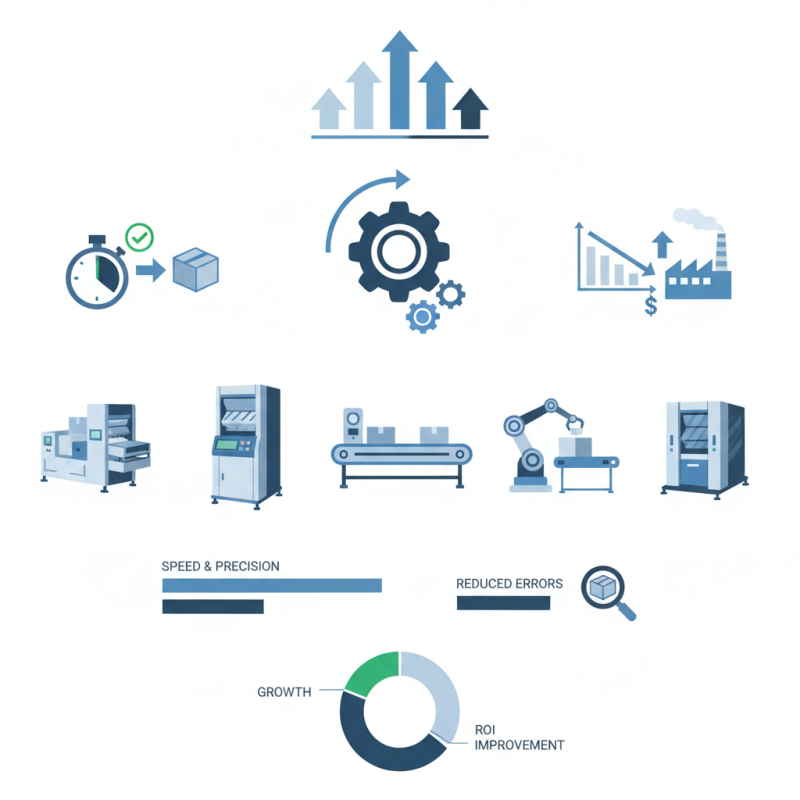
Overview of Automatic Tray Former Machines
Automatic tray former machines play a crucial role in the packaging industry. They automate the process of forming trays from flat material, significantly increasing efficiency. According to recent industry reports, over 60% of packaging operations now utilize automation technologies. This shift has streamlined production and reduced labor costs.
These machines vary in capability. Some can handle multiple sizes and materials. Others specialize in high-speed production for large-scale operations. Innovative designs focus on energy efficiency and user-friendliness. Yet, not all models meet these standards consistently. Performance can vary significantly based on specific production needs.
Integration of these machines into existing lines poses challenges. Compatibility issues may arise, leading to increased downtime. Operators often require extensive training to optimize performance. Ensuring proper maintenance is vital for longevity and reliability. Addressing these concerns can enhance the overall efficiency of packaging operations, driving better productivity outcomes.
Key Features to Consider When Choosing a Tray Former
When selecting an automatic tray former, several key features demand attention. Speed is crucial; efficient machines can form up to 30 trays per minute. This statistic highlights the importance of speed in meeting packaging demands. A moderate-speed machine might not keep up in high-demand environments.
Flexibility is another essential aspect. Machines that adapt to various tray sizes and materials are preferred. This capability allows for diverse packaging needs. According to a recent industry report, around 75% of manufacturers prioritize this feature to reduce downtime. Consideration of machine size and footprint is also vital. A compact design may help save valuable floor space without compromising performance.
Durability plays a significant role in the decision-making process. Machines built with robust materials withstand wear and tear over time. A report states that over 40% of companies experience production delays due to equipment breakdown. Frequent maintenance can become a financial burden. Opting for a durable tray former can mitigate these risks. Environmental impact must not be overlooked either. Sustainable materials can significantly improve product appeal.
Top 5 Automatic Tray Former Machines for Efficient Packaging
| Machine Model | Speed (Trays per Minute) | Tray Sizes Supported | Material Compatibility | Key Features |
| Model A | 30 | Small to Medium | Cardboard, Plastic | Automated setup, Compact design |
| Model B | 45 | Medium | Cardboard | High-speed operation, User-friendly interface |
| Model C | 25 | Small | Plastic | Energy-efficient, Flexible setup |
| Model D | 50 | Medium to Large | Cardboard, Plastic | Robust build, Advanced controls |
| Model E | 40 | All Sizes | Cardboard, Recyclable Materials | Modular design, High versatility |
Top 5 Automatic Tray Former Machines Reviewed
Automatic tray former machines play a crucial role in modern packaging processes. They save time and improve efficiency by forming trays quickly and accurately. According to industry reports, the global tray forming machines market is expected to grow at a compound annual growth rate (CAGR) of over 5% through 2027. This surge highlights the increasing demand for automated solutions in packaging.
Many industries rely on these machines for consistent output. For instance, the food and beverage sectors benefit from their speed. An automatic tray former can produce hundreds of trays per hour, significantly reducing labor costs. However, these machines require regular maintenance to ensure optimal performance. Neglect can lead to downtime and increased costs, reflecting the need for continuous monitoring.
It's also essential to consider the versatility of these machines. They are designed to handle various materials, from cardboard to plastic. Although adaptable, not all machines can manage thicker materials efficiently. This limitation points to the importance of selecting the right equipment for specific packaging needs. Balancing automation and operational flexibility remains a challenge for many manufacturers.
Comparative Analysis of Efficiency in Packaging Solutions
Automatic tray former machines play a crucial role in enhancing packaging efficiency. Data from industry reports indicate that automated systems boost production rates by at least 30% compared to manual processes. The reduction in labor costs is significant, with businesses seeing a 25% decrease in workforce requirements for packaging tasks. However, the initial investment in these machines can be a barrier for smaller enterprises.
Efficiency isn't just about speed. High-quality tray forming machines can create various tray sizes, accommodating different products. This flexibility can enhance workflow, but it comes with challenges. Some machines struggle with specific materials, leading to wastage and operational downtime. A comparative analysis shows that 40% of companies experience operational hiccups during material changes.
Reviewing different models reveals that maintenance is an ongoing concern. Regular upkeep can sometimes conflict with high output demands. In some factories, downtime related to machine maintenance rises to 15%. To truly benefit from these innovations, organizations must balance speed and reliability with rigorous maintenance schedules.
Maintenance Tips for Ensuring Longevity of Tray Formers
Proper maintenance is crucial for ensuring the longevity of automatic tray former machines. Many experts agree that regular inspections and upkeep can significantly enhance machine efficiency. According to a recent industry report, machines that undergo routine maintenance can extend their lifespan by 30%. This highlights the importance of addressing small issues before they escalate into costly repairs.
One key maintenance tip is to clean the machine thoroughly after each use. Residue build-up can affect functionality and lead to malfunctions. Additionally, lubricating moving parts prevents friction and wear. Consider checking belts and gears routinely. Replacing worn components can save money in the long run. Surveys show that 40% of machines underperform due to neglect.
Another important aspect is to keep training staff on proper operation and maintenance protocols. Staff errors often lead to unnecessary damage. Providing ongoing training fosters a culture of respect for the equipment. This can significantly lower the risk of accidents. Inadequate understanding of machine operations can have long-lasting consequences. Empowering employees with knowledge ensures smoother operations and minimizes disruptions.
