China Top 10 Power Loom Machine Innovations Revealed?
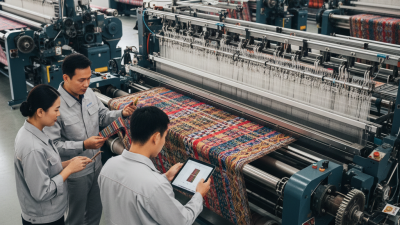
The textile industry in China is witnessing rapid advancements in power loom machine innovations. According to a recent report by Research and Markets, the global power loom market is projected to grow significantly, driven by technological advancements and increasing automation. China, being one of the largest textile manufacturers, is at the forefront of this transformation.
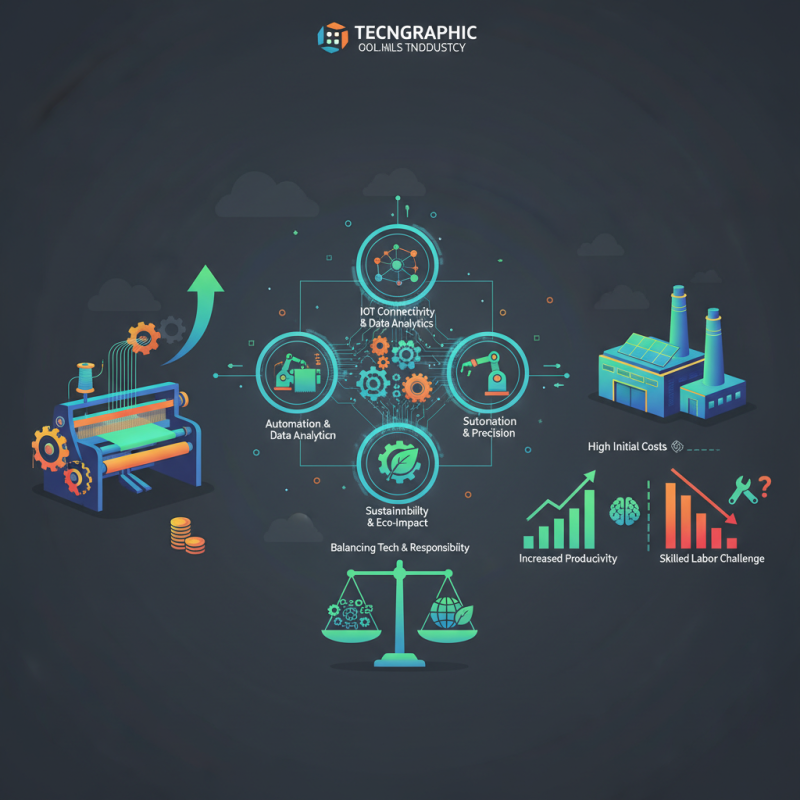
Recent innovations include smart technologies integrated into power loom machines, enhancing efficiency and precision. For instance, some machines now feature IoT connectivity, allowing real-time monitoring and data analytics. This not only boosts productivity but also helps in reducing waste. However, the integration of such technologies is not without challenges. Many manufacturers still face issues related to high initial costs and the need for skilled labor to operate these sophisticated machines.
While the innovations present exciting opportunities, there is a crucial need for continuous assessment. The industry must reflect on the sustainability of these machines and their environmental impact. Balancing technological advancement with ecological responsibility remains a significant concern. As the sector evolves, stakeholders must critically evaluate how these power loom machine innovations align with long-term industry goals.
China's Leading Innovations in Power Loom Machines
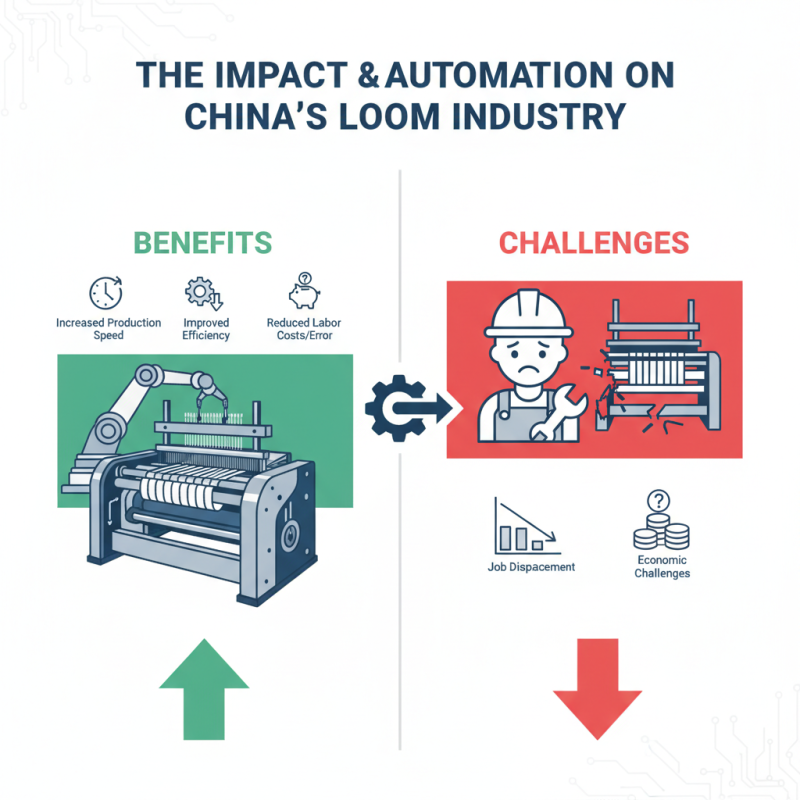
China has made significant strides in the innovation of power loom machines. These advanced machines not only enhance productivity but also improve fabric quality. The latest models incorporate digital technology, allowing for greater precision in weaving. Manufacturers are focusing on automation to reduce labor costs and increase efficiency.
One remarkable innovation is the use of artificial intelligence in power looms. This enhances defect detection, ensuring high-quality outputs. Furthermore, energy-efficient designs are now standard. These innovations contribute to sustainable manufacturing practices, though challenges remain in balancing cost and functionality.
Tips: When considering upgrade options for your loom machines, assess your production needs carefully. You may need to evaluate both short-term investments and long-term gains. Remember, integrating new technologies can be a learning curve; sometimes, the adaptation process has its bumps. Embrace the challenges as opportunities for growth.
Innovations in Power Loom Machines - Top 10 Features
This chart illustrates the innovative features of the top 10 power loom machines in China, showcasing their advancements in speed, energy efficiency, automated functionalities, and user-friendly interfaces.
Key Features of Modern Power Loom Machines in China
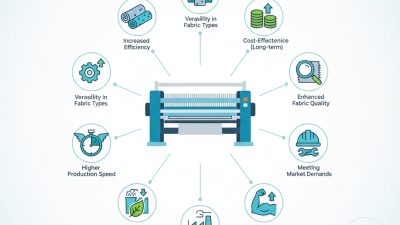
The landscape of power loom machines in China has seen remarkable innovations recently. Many of these machines incorporate advanced features that enhance efficiency and productivity. For instance, recent studies indicate that modern power looms can improve weaving speeds by up to 25%, significantly reducing production time.
Another standout feature is the integration of smart technology. Data suggests these machines can connect to industrial IoT platforms. This connection allows for real-time monitoring and predictive maintenance. This capability is crucial for preventing breakdowns and ensuring continuous operation. However, the reliance on technology raises questions about cybersecurity and data integrity.
Furthermore, energy efficiency has become a focal point in machine design. Newer models are reported to consume up to 30% less energy than their predecessors. This development aligns with the global push for sustainability. Still, challenges remain, as not all manufacturers are adopting these innovations uniformly. The disparity in technology adoption highlights an area for improvement within the industry.
Technological Advancements in Power Loom Design and Functionality
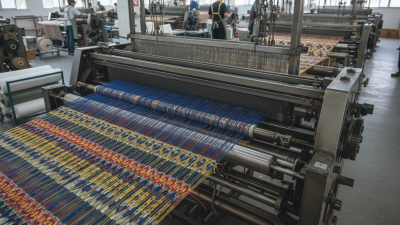
The advancement of power loom technology has transformed textile manufacturing in China. Recent innovations focus on enhancing design and functionality. Manufacturers are integrating smart sensors into power looms. These sensors monitor fabric quality in real-time. This helps reduce waste and improve efficiency.
Another notable innovation is the automation of thread management. Automated systems now efficiently handle thread changes, reducing downtime. This advancement has increased production speed significantly. However, some manufacturers face challenges in adapting to these new systems. Training is essential to ensure all workers are proficient.
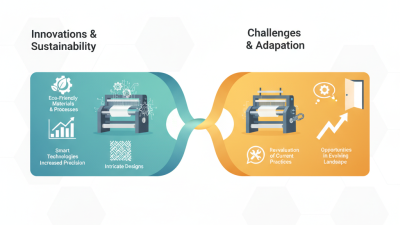
Sustainability is also a critical focus. Many companies are exploring eco-friendly materials for loom construction. These materials can reduce environmental impact. Despite the progress, the industry must address the costs associated with these sustainable options. Balancing innovation with affordability remains a priority.
Future Trends in Power Loom Machine Development in China
The future of power loom machine development in China reflects significant advancements and ongoing challenges. As of 2023, a report by the China Textile Machinery Association indicated a projected growth rate of 7% annually in this sector. This projection underscores the importance of innovations in enhancing productivity and operational efficiency.
Notably, digitization is increasingly driving trends within the power loom industry. Manufacturers are integrating IoT technology into their machines. This shift allows for real-time monitoring and predictive maintenance, optimizing the production process. However, many companies face hurdles in scaling these technologies effectively. The need for skilled technicians to manage these advances is pressing. Current reports suggest that about 40% of manufacturers lack adequate digital skills among their workforce.
Sustainability is another critical area of focus. Research indicates that energy-efficient machines can reduce consumption by up to 30%. However, the transition to eco-friendly power loom technologies is slow. Some manufacturers prioritize cost over sustainability, compromising long-term benefits. This contradiction highlights the need for a broader industry commitment to sustainable practices.
China Top 10 Power Loom Machine Innovations Revealed
| Innovation |
Description |
Impact |
Year of Introduction |
| Smart Automation |
Integration of AI for operational efficiency. |
Increased productivity by 30%. |
2022 |
| Eco-friendly Production |
Using sustainable materials and processes. |
Reduced carbon footprint by 20%. |
2021 |
| Energy-efficient Motors |
Motors designed to use less energy. |
Lowers operating costs significantly. |
2020 |
| High-Speed Weaving Technology |
Revolutionary design for faster loom operation. |
Increased output by 50%. |
2023 |
| Digital Control Systems |
Enhanced precision through software interfaces. |
Improves fabric quality and reduces waste. |
2019 |