Weavetech

Top 10 Reflective Fabric Types for Global Buyers

Choosing Reflective Fabric is not just a matter of brightness. Buyers also need to consider flexibility, durability, weight, and the garment or product it will serve. A fabric that performs well on a jacket may feel stiff on a bag or uncomfortable in warm conditions. Small details matter. A silver-coated surface, for example, can look striking under a camera flash, while its backing determines how it handles sewing and repeated wear.

This guide introduces ten reflective fabric types that global buyers may encounter, from glass-bead constructions to prismatic films and reflective yarn blends. It compares their common features, practical uses, and potential trade-offs without treating any one option as universally best. No single fabric wins every test. That sounds obvious. Yet specifications can be easy to misread, and product names do not always reveal how a material behaves in use. Ask suppliers for current technical data, care instructions, and representative samples. Check the fabric under realistic lighting, then inspect its surface after folding or stitching. A swatch cannot predict every production result, but it can expose issues early. Treat the comparisons as a starting point, not a substitute for testing. Perhaps one material will meet your needs; perhaps the first choice will need reconsideration. The right decision depends on the intended use, expected handling, and verified product information.
Top 10 Reflective Fabric Types for Global Buyers

What Reflective Fabrics Are and How They Work

Reflective fabrics are textile surfaces designed to return light toward its source, making a person or object easier to notice after dark. Tiny glass beads or molded microprisms redirect light from vehicle lamps toward drivers. The material does not glow by itself. That matters.

Some fabrics combine reflective elements with fluorescent colors. Fluorescent coatings can improve daytime visibility, while retroreflective strips work best when illuminated at night. A silver strip may look bright under a camera flash, yet appear less effective from a sharp viewing angle. Placement, garment shape, and the distance between the light and observer all affect performance.

The need for visibility is real: the US National Highway Traffic Safety Administration reported 7,522 pedestrian deaths in 2022 in its Traffic Safety Facts data. That figure is not proof that reflective fabric alone prevents crashes. It does show why buyers should assess intended use, not just brightness claims. Check test methods, reflective coverage, and care instructions. Repeated washing and abrasion can reduce performance. Honestly, labels rarely explain how much. A fabric that looks impressive on a sample may behave differently after months of wear, so independent testing and realistic wear trials matter.

Key Performance Features Buyers Should Compare

When comparing reflective fabrics, start with measured retroreflectivity, not a bright-looking sample under showroom lights. Ask for the coefficient of retroreflection and the test geometry used; results can change with viewing and entrance angles. Glass-bead fabrics often feel supple, while microprismatic surfaces can return more light in some conditions. Neither description replaces test data. Check performance after abrasion, flexing, and laundering, using the intended care cycle.

Durability is practical. A jacket may look intact after repeated washing, yet its reflective response can decline. Request before-and-after test reports, plus the number of wash cycles and method. Also compare fabric weight, stretch, backing, breathability, and attachment method. Sewn trims can stiffen a sleeve; heat-applied films may crack if the substrate stretches. Small details matter.

Visibility has real consequences. The U.S. National Highway Traffic Safety Administration reported 7,522 pedestrian deaths in 2022 in its Traffic Safety Facts report. That figure does not prove one fabric prevents crashes, but it supports careful visibility evaluation. For each of the top ten fabric types, compare brightness, coverage, comfort, and verified care durability against the garment’s intended use and relevant standards. Don’t rely on a single flashlight test. It is easy to miss performance loss at oblique angles, and supplier data should be checked against independent testing where available.

Top 10 Reflective Fabric Types and Their Differences

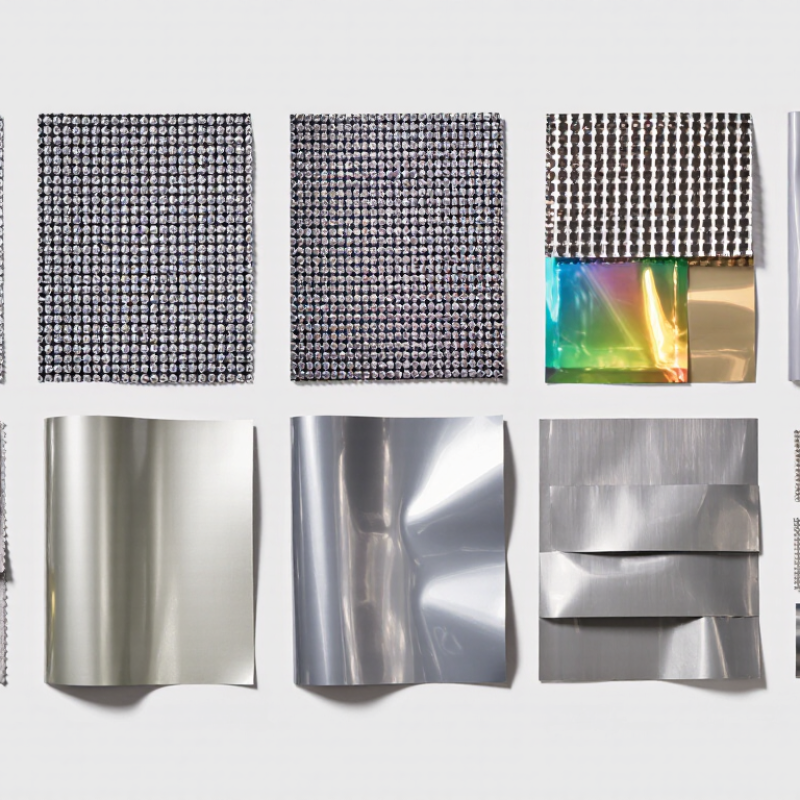
Reflective fabrics differ by construction, brightness, flexibility, and care requirements. Glass-bead fabric reflects light through tiny beads and suits lightweight garments. Microprismatic fabric uses molded cells for stronger directional return, but can feel stiffer. Sew-on reflective tape is durable and easy to replace; segmented tape bends more comfortably. Heat-transfer reflective film creates smooth graphics, while printed reflective fabric offers broader designs but may vary in brightness.

The other five types serve different needs: fluorescent-retroreflective fabric combines daytime color with nighttime return; reflective-yarn woven fabric spreads subtle glints across the surface; silver-coated knit provides broad coverage but may reduce breathability; stretch reflective fabric moves with fitted garments; and laminated reflective fabric adds weather resistance, often at the cost of airflow. These categories can overlap. Check actual test results, wash durability, and performance after bending—not just appearance. The National Highway Traffic Safety Administration reported 7,522 pedestrian deaths in 2022. That figure signals a visibility concern, but does not prove any fabric prevents crashes.

Tips: Compare samples under headlights at several angles. Inspect seams, flexibility, and care instructions. NHTSA’s Traffic Safety Facts provides useful context; procurement decisions still need product-specific test data. Visibility is not protection by itself.

Common Applications Across Industries and Markets

Reflective fabrics serve road crews, railway teams, delivery workers, cyclists, and emergency personnel. Fluorescent fabrics help workers stand out in daylight; retroreflective tape returns light toward vehicle headlights after dark. Combined fabrics are common on jackets and trousers, where moving arms and legs create visible signals. WHO’s Global Status Report on Road Safety 2023 reports about 1.19 million road deaths worldwide each year. That figure does not prove reflective clothing prevents crashes, but it shows why visibility matters around traffic.

In construction and logistics, garment panels must remain visible beneath tools, rainwear, and backpack straps. Glass-bead and microprismatic materials suit different viewing angles and product designs. The ILO’s 2023 global estimates put work-related deaths at nearly three million annually, including deaths from occupational diseases. Reflective clothing cannot address every workplace hazard. Still, it can support visibility in dim warehouses, roadside loading areas, and night-shift transport operations. Placement matters.

Sportswear and children’s outerwear also use reflective trims, often on sleeves, hems, and backpacks. Buyers should check how fabric performs after washing, abrasion, and exposure to heat or moisture. A bright sample under showroom lights may disappoint on a wet street. I have seen product specifications focus on tape width while overlooking where a bag strap covers it. That detail is easy to miss. Local testing requirements and garment-use conditions should guide material selection, since one fabric construction may not suit every climate or task.

Top 10 Reflective Fabric Types for Global Buyers

Common applications across industries and markets

The index counts example end-use sectors commonly associated with each material, such as workwear, transport, outdoor gear, and sportswear. It is an illustrative comparison—not sales, market share, or a performance rating. Actual applications depend on product construction and applicable safety standards.

How to Evaluate Suppliers, Standards, and Quality

When comparing reflective fabric suppliers, begin with the intended use: workwear, bags, and outdoor garments place different demands on visibility and flexibility. Ask for a current technical data sheet, sample swatches, and test reports tied to the exact construction, not merely a similar product family. Small details matter.

Check standards relevant to the destination market and application, then confirm which test methods the supplier used. A report should identify the fabric, test conditions, and performance results, including retroreflection where applicable. Ask how visibility changes after washing, abrasion, heat, or moisture exposure. Do not assume “high visibility” means the fabric performs equally well in every garment design.

Evaluate consistency as carefully as peak performance. Compare several rolls for color, coating uniformity, backing feel, and reflective response under the same light and viewing angle. Request production-lot records and written acceptance limits. A reliable supplier should explain how out-of-range batches are handled, not offer only reassurance. A practical limitation remains: a small swatch may not reveal stitching problems or stiffness in a finished panel. Test a sewn sample, too. Keep evaluation notes and revisit them when specifications or production sites change.