What is Hand Loom Weaving and How Does It Work in Modern Craftsmanship
Hand loom weaving is a time-honored craft that combines artistry and functionality, yielding unique textiles with rich cultural heritage. As artisan craftsmanship experiences a resurgence in the modern era, hand loom weaving stands out not only for its traditional techniques but also for its ability to produce stunning, bespoke fabrics. The process involves passing threads through a stationary frame, creating intricate patterns that tell stories of the weaver's skill and creativity. This ancient method is not just about fabric production; it represents a profound connection to cultural identity and sustainability.
In recent years, hand loom weaving has gained popularity among contemporary artisans and designers who seek to blend tradition with innovation. As consumers increasingly value handmade goods, hand loom weaving offers an avenue for creating sustainable textiles that differ from mass-produced alternatives. By embracing this craft, modern artisans can preserve historical techniques while exploring new designs and applications, bridging the gap between old and new. Through this exploration, hand loom weaving not only upholds age-old traditions but also flourishes in today's dynamic marketplace, enriching the fabric of modern craftsmanship.
Definition of Hand Loom Weaving and Its Historical Significance
Hand loom weaving is a technique that utilizes manually operated looms to create textiles, and its historical significance cannot be overstated. Emerging long before the advent of mechanized weaving, hand loom weaving enabled artisans to produce intricate patterns and textures, making it a cornerstone of various cultures around the world. It played a vital role in the development of civilizations, serving not only as a form of livelihood but also as a means of preserving cultural identity and heritage. The craftsmanship involved in hand loom weaving has been passed down through generations, reflecting the skills and stories of those who practiced it.
The definition of hand loom weaving captures its essence as a blend of artistry and functionality. Each piece produced is unique, often featuring distinct motifs that tell a story about the weaver's cultural background and traditions. Historically, this technique has been associated with both domestic production and artisanal practices, allowing communities to foster economic independence while ensuring the continuation of their cultural narratives. Today, as modern craftsmanship evolves, hand loom weaving is celebrated for its sustainability and the personal touch it brings to textile production, emphasizing the value of handmade goods in an increasingly industrialized world.
Hand Loom Weaving: Historical Significance and Modern Craftsmanship
This chart illustrates the significance of hand loom weaving across different historical periods, highlighting its importance in pre-industrial times, the industrial revolution, the advent of modern techniques, and contemporary sustainable practices.
The Components and Structure of a Hand Loom
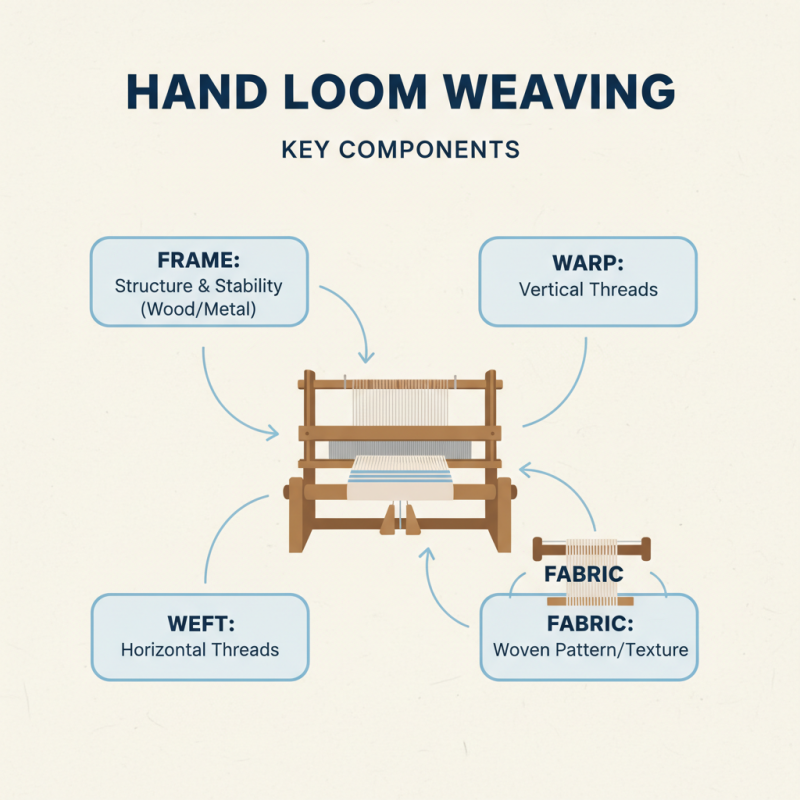
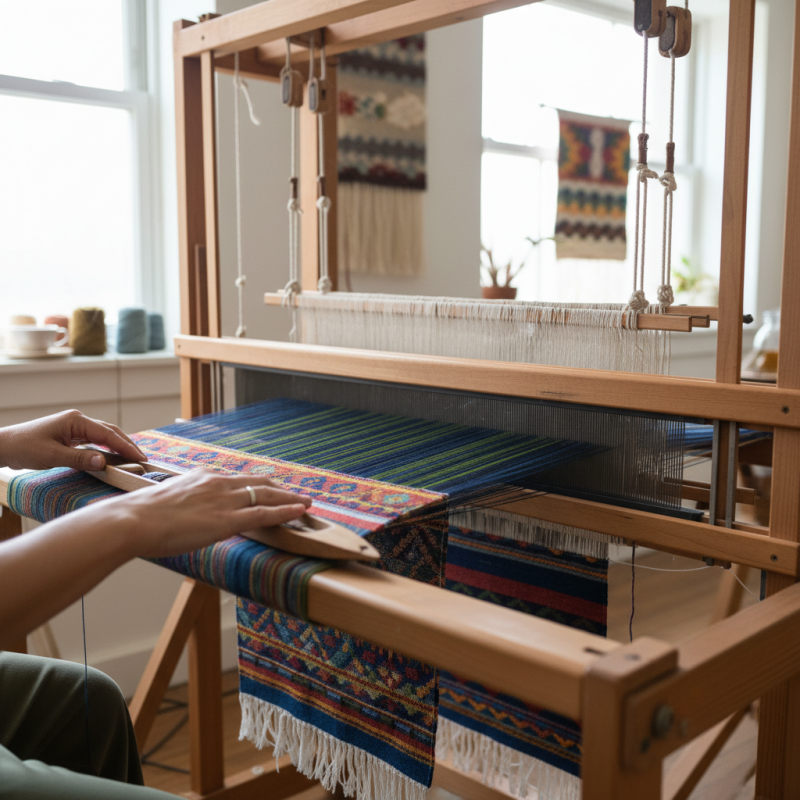
Hand loom weaving is a time-honored craft that involves several key components, each playing a crucial role in the overall functionality of the loom. At its core, a hand loom consists of a frame, which provides the structure and stability required for weaving. This frame can be made from various materials, typically wood or metal, and is designed to hold the threads securely in place. The vertical threads, known as the warp, are stretched across the loom, while horizontal threads, called the weft, are woven through the warp, creating intricate patterns and textures.
Another essential component of a hand loom is the heddles, which are devices that control the movement of the warp threads. By raising and lowering specific heddles, a weaver can create openings, or sheds, through which the weft is passed. Additionally, accessories such as shuttle, reed, and tensioning devices are crucial for a smooth weaving process. The shuttle carries the weft thread, while the reed helps to space the warp threads and push the weft into place after each pass. Together, these components work harmoniously, allowing artisans to produce a wide range of fabrics, from simple textiles to elaborate tapestries, all while maintaining the traditional techniques that define hand loom weaving.
The Process of Hand Loom Weaving: A Step-by-Step Guide
Hand loom weaving is an age-old craft that has evolved significantly in modern times. The process begins with the selection of fibers, which may include cotton, linen, or silk. Each fiber type brings unique characteristics to the finished product. According to the 'Global Textile and Apparel Industry' report, the hand weaving sector is valued at approximately $25 billion, reflecting a growing appreciation for artisanal craftsmanship.
Once the appropriate fibers are chosen, the next step involves preparing the loom itself. Weavers must warp the loom, a task that requires careful skill to ensure the threads are tight and evenly spaced. This step is crucial, as it determines the overall structure and design of the woven piece. After warping, weavers begin the intricate task of passing the shuttle through the warp threads to create patterns. Data from the '2019 Handwoven Fabric Market Analysis' indicates that the intricate designs achieved through hand loom weaving can contribute to a significant price premium in luxury textile markets.
As production continues, artisans often incorporate various techniques such as brocade or ikat, enhancing the aesthetic quality of their work. The ability to customize patterns and colors allows for a unique creation distinct from mass-produced textiles. The continued growth of sustainable fashion further propels the hand loom market, with more consumers seeking eco-friendly and ethically produced items. Reports suggest that the demand for handcrafted textiles has surged by 20% in recent years, illustrating the appealing blend of tradition and modern consumer preferences in today’s craftsmanship landscape.
What is Hand Loom Weaving and How Does It Work in Modern Craftsmanship
| Step |
Description |
Tools Required |
Material Used |
| 1 |
Design planning, where weavers choose patterns and colors. |
Sketch pad, color samples. |
Cotton, wool, silk threads. |
| 2 |
Setting up the loom by winding warps and arranging weft threads. |
Hand loom, shuttle, bobbins. |
Warp threads (typically cotton or linen). |
| 3 |
Weaving process begins by interlacing the weft through the warp. |
Shears, comb, paddle. |
Weft threads (cotton, wool, other fibers). |
| 4 |
Finishing touches including trimming, washing, and ironing. |
Scissors, iron, washing tub. |
Optional dyes for coloring. |
| 5 |
Final inspection of the product for quality control. |
Quality checklist, measuring tape. |
Completed woven fabric. |
Modern Applications of Hand Loom Weaving in Craftsmanship
Hand loom weaving is experiencing a renaissance in modern craftsmanship, driven by a growing consumer interest in sustainable and artisanal production methods. According to the Craft Industry Alliance, approximately 20% of consumers are now actively seeking handmade products that promote ethical manufacturing practices. This shift is reshaping the textile industry, encouraging artisans to combine traditional techniques with contemporary designs. As a result, hand loom weaving not only preserves cultural heritage but also addresses the increasing demand for unique and personalized items in today's marketplace.
In recent years, various sectors, including fashion, home décor, and art, have increasingly embraced hand loom weaving. A report by Grand View Research indicates that the global market for handwoven textiles is projected to reach $200 billion by 2027, growing at a CAGR of 5.5%. This growth highlights the significant role hand loom weaving plays in catering to consumers’ preferences for high-quality, sustainable products. Artisans are leveraging social media platforms to showcase their craft, build brand awareness, and connect directly with consumers. By doing so, they are not only ensuring the survival of this ancient technique but also redefining its relevance in modern craftsmanship.
The Cultural Impact and Revival of Hand Loom Weaving Today
Hand loom weaving has regained significant cultural relevance in today’s society, as artisans and craftspeople embrace this age-old technique to create textiles that reflect local traditions and heritage. This revival is not merely about producing cloth; it is a means of preserving cultural identities and storytelling through fabric. In many communities, weaving has become a symbol of cultural pride, as patterns and colors often carry historical and social significance. This resurgence encourages the passing down of skills from elder artisans to younger generations, ensuring that these traditional practices continue to thrive.
Moreover, the modern craft movement has found a niche in hand loom weaving by aligning with contemporary values such as sustainability, ethical production, and local craftsmanship. People are increasingly drawn to unique, handmade items that tell a story and support local economies. The tactile quality of handwoven textiles stands in stark contrast to mass-produced alternatives, offering consumers a deeper connection to their purchases. This shift in consumer consciousness not only elevates the status of traditional crafts but also fosters a renewed appreciation for the artistry involved in hand loom weaving, reinforcing its significance in both cultural and economic contexts.