How to Use Fiberglass Tape for Maximum Strength and Durability?
Fiberglass tape is an essential tool in construction and repair projects. Its strength and durability make it a go-to choice for various applications. Using this tape effectively can enhance your work's overall quality. Working with fiberglass tape takes some skill. Mistakes can lead to weaknesses in your projects. Therefore, understanding how to apply it correctly is vital.
When applied properly, fiberglass tape offers incredible adhesion and resistance to wear. It is commonly used in drywall repairs, plumbing, and even in automotive applications. The versatility of fiberglass tape means it can bond materials that other tapes struggle to adhere to. Yet, choosing the right type and technique is often overlooked. Many people fail to understand the specifics of surface preparation.
In this guide, we will explore tips to maximize the performance of fiberglass tape. With the right knowledge, you can ensure your projects withstand time and stress. Addressing potential shortcomings and avoiding common pitfalls will strengthen your overall results. Learning how to use fiberglass tape can transform your repair and construction endeavors into lasting successes.
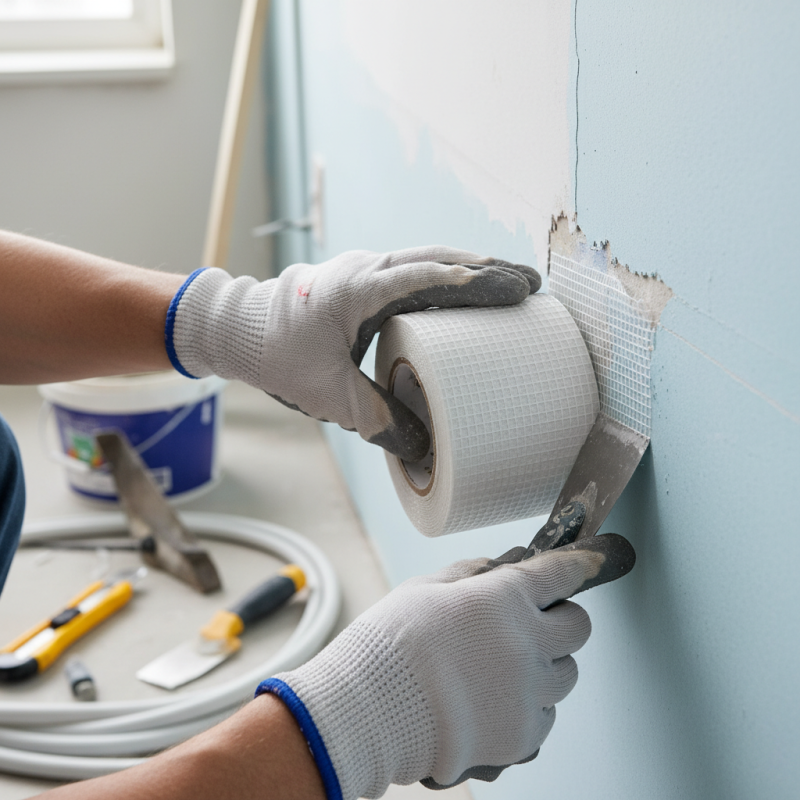
Understanding Fiberglass Tape: Types and Properties
Fiberglass tape is a versatile material used across various industries. It comes in different types, each designed for specific applications. Common types include woven fiberglass tape, adhesive-backed tape, and self-fusing tape. Woven fiberglass tape boasts high tensile strength. It can withstand temperatures up to 500°F. This makes it ideal for construction and automotive use. Adhesive-backed tape, on the other hand, offers ease of use. Its convenience makes it popular for quick repairs. Self-fusing tape provides a waterproof seal, which is beneficial for electrical insulation.
The properties of fiberglass tape further enhance its utility. The material is lightweight yet incredibly strong. A study shows that fiberglass tape can have tensile strengths exceeding 300 pounds per inch. This strength is crucial for applications that require durability. Notably, fiberglass tape is resistant to chemicals, UV light, and moisture. This resistance makes it suitable for outdoor use. However, improper application can lead to peeling or bonding issues. For maximum effectiveness, surface preparation is essential. Dust and grease should be removed to ensure adhesion.
In practice, the quality of fiberglass tape can vary. Some lower-grade versions may not perform as expected. This inconsistency can cause frustration. Regular inspections of the tape after application can prevent future failures. Users should also consider the environment of use. Conditions such as extreme temperatures can affect performance. Recognizing these factors is vital for achieving reliable results.
Preparing the Surface for Optimal Adhesion
Preparing the surface for fiberglass tape application is crucial. A clean, smooth surface ensures optimal adhesion. According to a study by the Composites Manufacturers Association, surfaces prepared this way can improve bond strength by up to 50%. Cleaning can involve sanding, wiping with solvents, or using specialized cleaners. Each method removes contaminants that could compromise the integrity of the bond.
Attention to detail is key. Small defects, like dust or grease, can weaken the bond. It’s essential to inspect the surface closely after cleaning. Apply a primer if necessary; this can enhance adhesion further. A report from the International Journal of Adhesion and Adhesives highlights that priming can increase adhesion performance significantly, often doubling the effective bonding area.
Limitations exist, even with perfect preparation. Humidity and temperature can affect the curing process. Adverse conditions may lead to bubbles or inadequate bonding. Consistency in application is vital, but addressing imperfections is part of the process. Ultimately, the goal is to create a strong, durable bond that stands the test of time.
Fiberglass Tape Strength and Durability Comparison
This bar chart illustrates the adhesion strength of fiberglass tape when prepared on different surfaces. Surface Preparation B shows the highest adhesion strength, indicating optimal preparation methods are crucial for maximizing the effectiveness of fiberglass tape.
Applying Fiberglass Tape: Techniques and Best Practices
Applying fiberglass tape can greatly enhance the strength of various projects. Proper techniques are crucial for achieving the best results. Start by cleaning the surface where the tape will be applied. Dust, grease, and moisture can compromise adhesion. Use a solvent to ensure the area is thoroughly clean and dry.
When wrapping fiberglass tape, apply it with consistent tension. This practice maximizes strength and prevents bubbles from forming. Overlapping the tape slightly enhances coverage but requires attention to detail. If the layers are uneven, it may lead to weak points in the structure. Consider using a roller to press the tape firmly against the surface. This technique ensures good contact and eliminates air pockets.
Patience is vital in this process. Allow the tape to cure fully before testing its strength. Rushing this step could lead to failure down the line. Additionally, be aware that mistakes can happen. If the tape shifts or isn’t aligned well, don’t hesitate to remove and reapply. Learning from these small setbacks can lead to better outcomes in future projects. Your expertise will grow with each application.
How to Use Fiberglass Tape for Maximum Strength and Durability?
| Technique | Description | Best Practices | Recommended Tools |
| Surface Preparation | Clean and sand the surface to ensure proper adhesion. | Use a finer grit sandpaper for a smoother finish. | Sandpaper, Clean Rags |
| Applying Resin | Layer resin over the surface and place the fiberglass tape. | Avoid air bubbles by using a brush to smooth out the resin. | Brush, Mixing Cups |
| Layering | Add multiple layers for enhanced strength. | Ensure each layer is dry before adding the next. | Roller, Measuring Tape |
| Curing | Allow the resin to cure fully before using the item. | Follow the manufacturer's curing time recommendations. | Timer, Temperature Monitor |
| Finishing Touches | Sand the surface and apply a finish if desired. | Use a fine grit for smoothness. | Sandpaper, Finishing Sealant |
Ensuring Maximum Strength: Layering and Curing Process
When using fiberglass tape, mastering the layering and curing process is crucial. Each layer plays a significant role in overall strength. Start with a clean surface to ensure proper adhesion. Apply the fiberglass tape evenly, avoiding bubbles or wrinkles. Uneven application can weaken the entire structure.
Tips: Apply pressure while laying the tape. This aids in bond strength. Use a roller if necessary to eliminate air pockets. Pay attention to overlap areas; they need extra tape for reinforcement. Once your tape is laid, move on to the curing stage.
Curing requires patience and precision. Follow manufacturer instructions for best results. Temperature and humidity can affect curing times. Monitor these conditions closely. If not done correctly, the tape may not bond fully, leading to potential failures.
Lastly, consider a test piece to evaluate your process. This allows for adjustments before the final application. Reflect on your methods and be open to improvements. Each attempt offers valuable lessons.
Maintaining and Storing Fiberglass Tape for Longevity
Fiberglass tape is known for its strength and durability, but it requires proper maintenance and storage for longevity. Keeping the tape in a clean, dry environment is crucial. Moisture can weaken the adhesive over time. According to a study by the Composite Materials Handbook, humidity levels above 60% can significantly compromise fiberglass tape's integrity.
When storing fiberglass tape, avoid exposure to direct sunlight. Ultraviolet rays can degrade the materials, reducing effectiveness. It’s best to store the tape in a cool, dark space. Ideally, a temperature range of 50°F to 85°F is recommended. Keeping the tape in original packaging can help shield it from environmental elements.
Inspect the tape periodically for any signs of wear or damage. Tapes should not be used if they show fraying or discoloration. Research suggests that using compromised materials can lead to a 30% decrease in performance. Regular checks ensure that your fiberglass tape remains effective when needed most. Maintaining these practices extends the lifecycle of the tape, ensuring you get the most out of your investment.
