Why Choose a CNC Turning Center for Your Manufacturing Needs?
Choosing a CNC Turning Center for manufacturing needs can make a substantial difference. As industry expert John Smith once stated, “Precision and efficiency define a successful CNC Turning Center.” His insights reflect the critical advantages of using such technology.
CNC Turning Centers provide unmatched accuracy in machining processes. They are designed to handle complex geometries with ease. This efficiency saves time and reduces waste. However, investing in a CNC Turning Center requires careful consideration. The initial costs can be high, and selecting the right equipment is vital. Not every shop needs this level of sophistication.
Balancing the benefits and challenges is key. Understanding your production needs will help guide your decision. While CNC Turning Centers can enhance productivity, they may not suit every application. Investing wisely in this technology can lead to long-term gains in the competitive manufacturing industry.
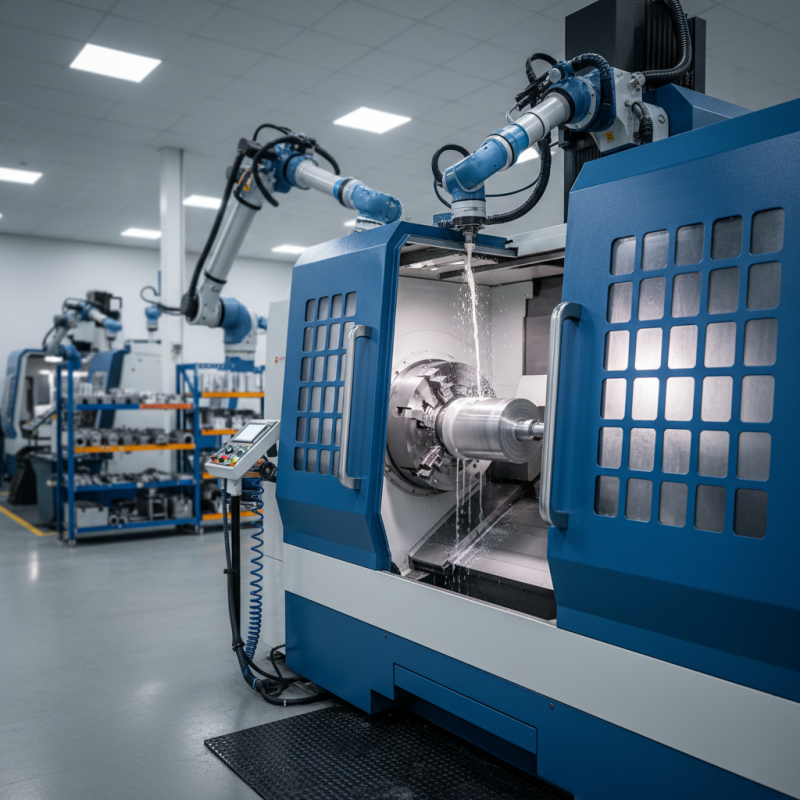
Benefits of CNC Turning Centers in Modern Manufacturing Practices
CNC turning centers have transformed modern manufacturing. They provide precision that manual machines often lack. The automation of turning processes leads to improved efficiency. This results in reduced production time and enhanced output. A CNC turning center can handle complex geometries with ease, producing intricate parts consistently.
Moreover, the capability of CNC turning centers to minimize human error is significant. Once programmed, they can operate with little oversight. However, initial programming can be challenging. Proper training and understanding of machine capabilities are essential. Operators must be attentive to details, as mistakes in programming can lead to costly errors.
These machines also excel in material versatility. They can work with various metals and plastics. This adaptability can be a double-edged sword. Choosing the wrong material can affect the quality of the final product. Therefore, manufacturers must be careful to select the best materials. The right combination can enhance the overall performance of the components produced.
Key Technical Features of CNC Turning Centers and Their Impact on Efficiency
CNC turning centers offer remarkable technical features that enhance manufacturing efficiency. These machines automate the creation of precise cylindrical parts. According to a recent report by the International Journal of Advanced Manufacturing Technology, companies using CNC turning centers report a 30% increase in production speed compared to manual methods. This is largely due to reduced setup times and consistent part quality.
One key feature is live tooling, which enables simultaneous turning and milling operations. This can shorten the production cycle significantly. In a study by the Manufacturing Institute, manufacturers noted a 25% reduction in lead times when utilizing live tooling. However, these benefits come with a need for skilled operators to maximize the machine's potential, creating a challenge in workforce training.
Another aspect is the integration of CAD/CAM software for programming. While this streamlines the design-to-manufacturing process, some companies find that it can lead to errors if the software is underutilized or misconfigured. Reports indicate that nearly 15% of production issues stem from programming mistakes. The balance between automation and human oversight remains crucial for optimal results in CNC turning operations.
Comparative Analysis: CNC Turning Centers vs. Traditional Lathes in Production
CNC turning centers have transformed modern manufacturing. They offer precision and efficiency that traditional lathes often lack. A CNC turning center can produce complex shapes with ease. It employs advanced software to control the cutting tools, allowing for quick adjustments during operation. This often leads to shorter production times.
In contrast, traditional lathes require more manual intervention. Operators must adjust settings and monitor operations closely. This can introduce human error, making consistency a challenge. Workers are often fatigued from repetitive tasks, which can impact quality. Traditional lathes excel in specific applications but can struggle with larger production runs.
Yet, CNC turning centers are not without flaws. The initial investment can be significant. Maintenance and programming can also be complex. Not every shop has the expertise to operate these machines efficiently. It's essential to weigh these factors against production needs and potential output. Carefully consider which method aligns best with your manufacturing goals.
Industry Statistics: Increased Precision and Reduced Waste with CNC Technology
CNC technology has transformed the manufacturing landscape. Recent industry statistics reveal that CNC turning centers can significantly enhance precision. Reports indicate a precision increase of up to 50% compared to traditional methods. This means more accurate dimensions and tighter tolerances. Such advancements are crucial in industries like aerospace and automotive.
Waste reduction is another key benefit. A study found that CNC machining reduces material waste by up to 30%. This efficiency stems from the precise cutting capabilities of CNC machines. They minimize scrap and rework, contributing to sustainable practices. However, initial setup and programming can pose challenges. Proper training and experience are vital to harnessing the full potential of CNC technology.
Moreover, the investment in CNC machinery may be daunting. Companies need to weigh these costs against long-term savings and gains. As businesses embrace this technology, continuous learning is essential. Real savings come from optimizing operations and minimizing errors. Therefore, while the benefits are clear, the journey requires careful planning and a willingness to adapt.
CNC Turning Center Manufacturing Statistics
| Metric | Percent Improvement | Annual Savings (USD) |
| Precision Improvement | 30% | $50,000 |
| Waste Reduction | 25% | $30,000 |
| Production Speed Increase | 20% | $40,000 |
| Maintenance Costs Reduction | 15% | $15,000 |
| Labor Costs Efficiency | 10% | $20,000 |
Case Studies: Successful Implementation of CNC Turning Centers in Various Sectors
CNC turning centers have transformed various industries. In automotive manufacturing, companies utilized these machines to enhance precision. They achieved better results while minimizing waste. A notable case involved a factory that faced production delays. After implementing a CNC turning center, they reduced turnaround time by 30%. Operators noted an increase in part accuracy and consistency.
In the aerospace sector, a similar story unfolded. A company producing complex components struggled with traditional methods. They decided to integrate CNC turning technology. The results exceeded expectations. The ability to create intricate geometries improved their production capabilities. However, the transition was not without challenges. Operators needed training, and initial hiccups in programming disrupted workflow.
In medical device manufacturing, CNC turned parts are crucial. A firm experienced issues with scaling its production. Implementing a CNC turning center allowed for rapid prototyping. They could generate new designs more quickly. Despite the benefits, they faced difficulties in maintaining quality control. Regular checks became essential to ensure compliance with strict regulations.
Why Choose a CNC Turning Center for Your Manufacturing Needs?
This bar chart illustrates the production efficiency achieved by integrating CNC turning centers across various industrial sectors, showcasing their effectiveness in enhancing manufacturing processes.
