How to Choose the Right Valve Actuator for Your Needs?
Selecting the right Valve Actuator can significantly impact your system's efficiency and reliability. Valve Actuators play a crucial role in controlling fluid flow and maintaining system integrity. With numerous types on the market, the decision can be overwhelming.
Understanding your specific needs is essential. For instance, consider the type of valve you are using and the application's requirements. Different actuators perform distinct functions, and not all are suitable for every application. You might opt for electric, pneumatic, or hydraulic actuators based on your operational criteria.
It's also vital to acknowledge the importance of quality and compatibility. A mismatched actuator could lead to failures, increased costs, or safety hazards. Researching reputable brands and consulting with experienced professionals can provide valuable insights. Always question whether you're choosing an actuator that addresses both current needs and future expansions.
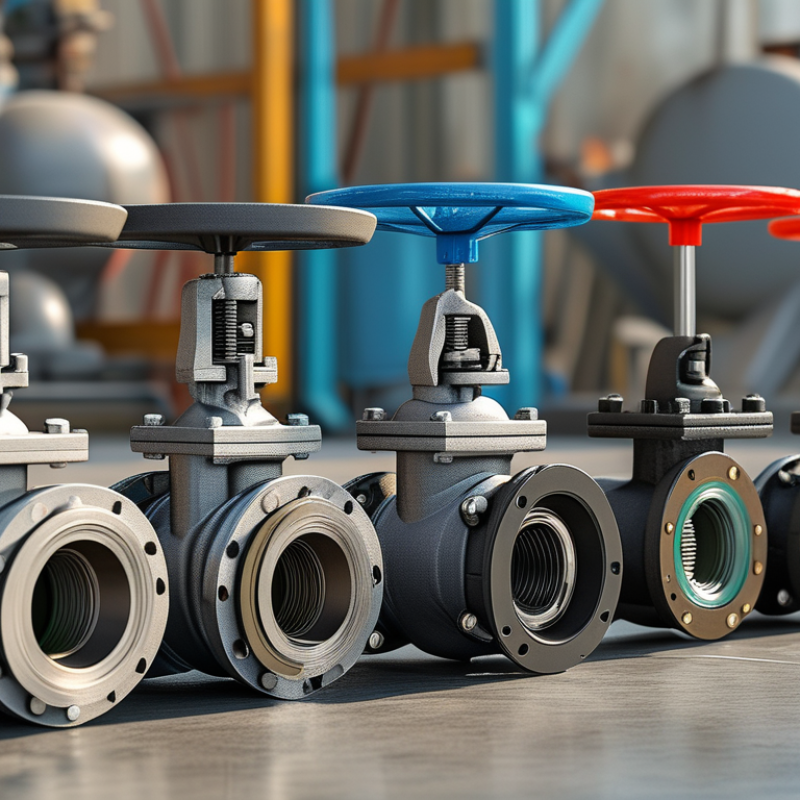
Understanding Different Types of Valve Actuators
When selecting the right valve actuator, understanding the different types is crucial. There are several main categories of valve actuators, including electric, pneumatic, and hydraulic options. Each type has unique benefits and challenges. Electric actuators offer precision and ease of installation, ideal for small to medium applications. Pneumatic actuators excel in speed and power but require compressed air, which may not suit all environments. Hydraulic actuators provide significant force and are often used in heavy-duty industrial applications.
Choosing the right actuator can be challenging. It’s important to assess your specific needs. Consider the pressure, temperature, and medium involved in the application. Tips to keep in mind: ensure compatibility with your valves, and think about the power source accessibility. The installation environment could also dictate the suitability of an actuator type. Often overlooked, the actuator maintenance factor is critical. Regular checks can prevent costly failures.
Remember that no actuator is flawless. Each comes with its limitations. Some may require frequent adjustments, while others may not operate efficiently in extreme conditions. Keep this in mind during your selection process. Ultimately, the right actuator aligns with your application requirements and operational preferences. A thoughtful choice can lead to improved performance and reliability.
Key Factors to Consider When Selecting a Valve Actuator
Selecting the right valve actuator involves careful consideration of various key factors. The first critical element is the actuator type. Electric, pneumatic, and hydraulic actuators are common. Your choice should align with system requirements. Electric actuators are efficient but may require more maintenance. Pneumatic options excel in speed but depend on air supply quality. Hydraulic actuators offer high power but need a robust infrastructure.
Another vital factor is the torque and speed needed for your application. Different valves require different forces to operate effectively. Understanding your system's demands is essential. A mismatch can lead to inefficiencies or even damages. Moreover, environmental conditions should not be overlooked. Actuators in hazardous locations need special attention. Corrosive environments may dictate the materials used.
Lastly, consider control requirements. Your actuator must integrate seamlessly with existing systems. Communication protocols can vary. Some systems benefit from advanced control features, while simpler applications may need basic options. Reflect on how these factors align with your needs to avoid future complications. Balancing all these aspects can guide you toward a suitable choice.
Evaluating Performance and Compatibility Requirements
Choosing the right valve actuator requires careful evaluation of performance and compatibility. Start by identifying the specific requirements of your system. Consider factors like temperature ranges, pressure levels, and expected usage frequency. Each application can present unique challenges. For instance, hydraulic actuators may perform well in high-pressure situations, while electric versions might be more suitable for precise control.
Compatibility is equally vital. Assess the actuator’s integration with existing systems. Check the control methods available. Some actuators work with standard protocols, while others require custom solutions. Misalignment can lead to system failures, high maintenance costs, and safety risks. Always consider the physical dimensions and mounting options too. These details matter more than you might think. An ill-fitting actuator can disrupt workflow and reduce efficiency drastically.
Finally, performance testing is crucial but often undervalued. Regularly examine actuator responses under operational conditions. A thorough understanding of performance metrics, like response time and torque output, is essential. Reflection on past projects can reveal overlooked issues. This feedback loop is critical in refining your choice for future applications. Investing time in these evaluations pays off in reliability and effectiveness.
Assessing Cost vs. Benefit for Valve Actuator Choices
Choosing the right valve actuator involves weighing cost against benefit. A 2022 industry report indicated that improper actuator choice can increase operational costs by up to 30%. When evaluating your options, consider efficiency, maintenance, and capacity.
Electric actuators often offer lower operational costs but may have higher initial prices. Pneumatic actuators can be cheaper upfront but might incur more expenses in compressed air generation. Balancing these factors is crucial. For example, a facility using pneumatic systems could save $200,000 per year on energy costs by switching to more efficient actuators.
Installation costs can also be misleading. A less expensive actuator may need more installation work, driving up total costs. Moreover, underperformance can damage your system. Assessing your long-term operational needs is vital. Investing in reliable actuators often leads to better efficiency and longevity, mitigating future costs. Reflect on these factors thoroughly to ensure a sound decision.
Cost vs. Benefit Analysis of Valve Actuators
Maintenance and Longevity Considerations for Valve Actuators
When considering valve actuators, maintenance and longevity are crucial factors. Regular maintenance not only extends the life of the actuator but also ensures optimal performance. Contaminants can lead to malfunction, so keeping the actuator clean is vital. Inspect seals and gaskets periodically for wear; replacing them prevents leaks and further damage.
Tips for maintenance:
1. Schedule routine inspections every six months.
2. Lubricate moving parts as recommended.
3. Keep the actuator free from dust and debris.
Longevity can also be impacted by environmental conditions. High temperatures or corrosive environments can degrade materials over time. Selecting the right materials and coatings for your actuator can greatly enhance durability. Pay attention to the operating environment and make adjustments to your maintenance routine as needed.
Remember, neglecting maintenance can lead to costly repairs. Engaging with experienced professionals can provide valuable insights. They can help identify potential issues before they escalate. Regular checks and adjustments can save you time and money in the long run.
How to Choose the Right Valve Actuator for Your Needs? - Maintenance and Longevity Considerations for Valve Actuators
| Actuator Type | Application | Power Source | Maintenance Frequency | Expected Lifespan |
| Electric Actuator | General Flow Control | Electric | Annual | 10-15 years |
| Pneumatic Actuator | High-Speed Operations | Compressed Air | Semi-Annual | 5-10 years |
| Hydraulic Actuator | Heavy-Duty Applications | Hydraulic Fluid | Annual | 10-20 years |
| Manual Actuator | Low-Frequency Operations | Human Force | As Needed | Indefinite (with care) |
| Smart Actuator | Automated Systems | Electric/Battery | Quarterly | 5-7 years |
