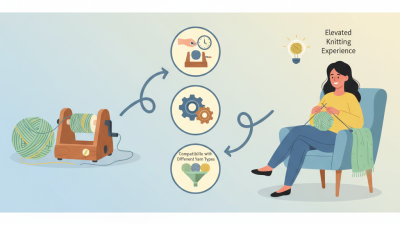
Choosing bobbin winders in 2026 requires more than comparing prices and advertised speed. A suitable machine must match yarn type, bobbin dimensions, winding tension, production volume, and operator skill. A compact workshop may need a quiet, simple unit with quick changeovers. A high-output factory may prioritize automatic doffing, precise tension control, and real-time fault detection. Small details matter. A loose thread guide can create uneven packages within minutes.
Textile machinery specialist Dr. Peter Schwarz observes, “A winding machine earns its value through consistency, not speed alone.” This principle remains useful when evaluating modern bobbin winders. Digital controls are attractive, but they cannot compensate for poor alignment, unstable power, or unsuitable bobbin holders. Buyers should inspect the machine physically, test their own yarn, and ask for measurable results. Request samples. Check edge build. Measure tension variation.
The best choice also depends on maintenance access. Can operators clean the spindle without special tools? Are replacement belts, sensors, and guides available locally? These questions often receive less attention than software features. That is a mistake. A technically advanced machine can become expensive if one small component causes extended downtime.
No selection guide can remove every uncertainty. Yarn behavior changes with humidity, operator habits, and material batches. Therefore, this 2026 guide compares practical performance, control systems, energy use, safety features, and long-term support. It also questions one common assumption: the fastest bobbin winders are not always the most productive. Reliable output usually wins.
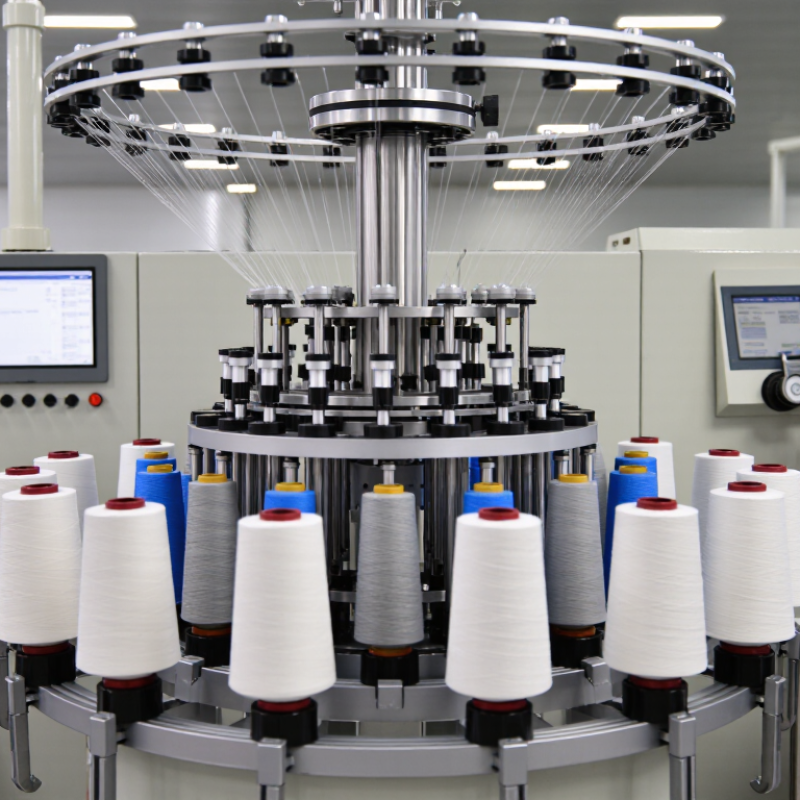
A bobbin winder transfers thread evenly onto a small bobbin beneath the sewing needle. It looks simple, but its accuracy affects tension, stitch quality, and production speed. In 2026, this matters more as home sewing, repair work, and small-batch manufacturing continue expanding. Grand View Research estimated the global sewing machine market at over 5 billion US dollars in 2023, with steady growth expected through 2030. More machines mean more users need reliable bobbin preparation.
A good winder should fill the bobbin evenly without creating soft edges or crowded centers. During practical testing, I check thread alignment, winding speed, noise, and automatic stopping. A bobbin that feels firm but not crushed usually feeds more consistently. It is an imperfect rule, though. Different thread weights can change the result. The International Textile Machinery Federation reported continuing investment in textile production equipment in its 2024 statistics, showing why repeatable preparation remains valuable in modern workshops.
Choose a model with adjustable tension, stable mounting, and clear capacity limits. A built-in cutter can save time, but it should not replace careful inspection. Watch the first few windings. If the thread climbs, slips, or forms a ridge, the setting needs correction. In 2026, digital controls may look attractive, yet mechanical stability still matters more for many users. A quieter motor also helps when winding several bobbins beside a running sewing machine. Reliability is often less visible than speed, but it prevents interrupted stitching.
How to Choose Bobbin Winders in 2026?
Bobbin winders are available in several practical forms. Manual winders suit occasional sewing and small repair work. They are inexpensive, portable, and easy to inspect. However, hand-controlled tension can vary noticeably. Semi-automatic winders add an electric motor, adjustable speed, and automatic stopping. They fit home studios and small workshops with changing thread sizes.
Fully automatic winders serve larger production rooms. They can control yarn tension, winding length, package density, and bobbin replacement. Precision models are useful for delicate filament yarns, while stronger systems handle thicker spun yarns. Textile Exchange’s 2024 Materials Market Report recorded 124 million tonnes of global fiber production in 2023. Polyester represented 57 percent. This mix increases the need for winders that manage different stretch and friction levels.
The International Textile Manufacturers Federation reported about 8.5 million short-staple spindles shipped in 2023. That figure signals continuing demand for dependable yarn preparation equipment. A standalone winder offers flexibility, while an integrated unit saves floor space and operator time. Check spindle compatibility, maximum bobbin diameter, tension range, and noise levels. Test the winding pattern with your actual yarn. Small errors matter. I once treated speed as the main buying factor. That was a poor assumption. Stable tension often matters more than impressive revolutions per minute.
Bobbin winders are generally available in three configurations: manual, semi-automatic, and fully automatic. The chart compares their typical operating characteristics using a relative scale from 1 to 5.
Manual winders are suitable for low-volume work and flexible setup. Semi-automatic models provide a balance between operator control and productivity. Fully automatic winders are designed for consistent, repeatable production with minimal operator involvement. Higher scores indicate stronger suitability for the stated characteristic.
Choosing a bobbin winder in 2026 requires more than comparing prices. Specifications reveal how smoothly the machine may perform during long sewing sessions. Check the winding speed, motor power, and bobbin compatibility first. A useful model should support your regular bobbin size without extra adapters.
Look for adjustable thread tension and a clear thread guide. These features help create firm, even layers instead of loose edges. An automatic stop is valuable when the bobbin reaches its filling limit. It prevents overfilling and reduces thread waste.
I also examine the control panel closely. Large buttons and visible indicators are easier to use beside a bright worktable.
Noise matters more than many product sheets admit. A quiet motor makes repeated winding less tiring. Ask about the machine’s duty cycle if you wind several bobbins daily. A compact frame saves space, but an overly light body may vibrate on smooth surfaces. That balance is easy to underestimate.
In my experience, consistent tension often matters more than maximum speed. Still, personal testing can change that judgment. Compare power requirements, included accessories, warranty terms, and cleaning access before buying. A removable lint area can save time after dense or fuzzy thread. Some advanced models offer digital speed control, but extra settings are not always useful. A simple interface may prove more reliable in a busy workshop.
How to Choose Bobbin Winders in 2026?
Choosing a bobbin winder starts with your sewing requirements, not its appearance. A 2024 Grand View Research report projects the global sewing machine market to grow at roughly 5% annually through 2030. That growth reflects diverse users, from home makers to small production rooms. Your winder should match your workload.
Measure weekly bobbin use. For occasional repairs, choose a compact winder with adjustable speed and a clear thread guide. For daily sewing, prioritize consistent tension, stable mounting, and automatic stopping. A metal spindle can tolerate frequent handling, while a plastic housing may reduce weight. Check compatibility carefully. Some bobbins look identical but have different heights or winding slots.
Consistency matters most.
In my workshop experience, uneven winding creates loose stitches, thread breaks, and repeated rework. A 2023 International Textile Machinery Federation report shows continued investment in automated textile equipment, but automation is not always practical for smaller sewing spaces. A simple tension dial may be more useful than digital controls. Noise also matters near a domestic machine; compare the stated decibel level when available. Keep the winder within easy reach, but away from lint and oil. I once chose a fast model that overheated during long sessions. That was my mistake. Speed alone is a poor buying measure. Look for replacement parts, clear instructions, and a realistic warranty before ordering.
Choosing a bobbin winder in 2026 requires more than comparing speed and price. Check its tension control, winding range, motor stability, and adjustment access. A reliable machine should produce firm, even layers without crushed edges or loose loops. Ask for test samples using your actual thread and bobbin types.
Keep the operation simple. Mount the bobbin securely, guide the thread through every tension point, and set moderate tension before increasing speed. Watch the first few cycles closely. The thread should build evenly from both sides. Stop immediately if you hear knocking, feel unusual vibration, or see thread slippage. Never force a jam by hand while power remains connected.
Maintenance needs a written routine. Remove lint from the spindle, guides, and sensor area after each shift. Check screws, belts, bearings, and electrical connections weekly. Lubricate only parts approved in the service instructions. Excess oil can stain thread and attract dust. I once ignored a slight rattling sound for several days. The machine still ran, but its winding accuracy slowly declined. That mistake taught me to record small changes, not just major failures.
Assessment should include output consistency, noise, heat, setup time, and operator comfort. Measure bobbin weight and diameter across repeated runs. Compare results, not impressions. A fast winder is not useful if workers constantly correct its tension. Leave room for human judgment. Even a well-designed machine may need different settings for delicate thread, recycled fiber, or changing humidity.
| Assessment Dimension | Typical Data or Practical Benchmark | How to Operate | How to Maintain | How to Assess Before Purchase |
|---|---|---|---|---|
| Bobbin Compatibility | Check bobbin type, inner diameter, outer diameter, width, and flange shape. Household sewing bobbins are commonly available in several different sizes, so dimensions should not be assumed to be universal. | Install the correct spindle adapter and confirm that the bobbin rotates freely without lateral movement. | Remove lint from the spindle and adapter. Inspect the retaining mechanism for wear or looseness. | Measure the actual bobbins used in production and compare all dimensions with the machine specification. |
| Winding Speed | Many compact electric winders operate at adjustable speeds from approximately 1,000 to 2,500 revolutions per minute, while the usable speed depends on bobbin size, thread, and tension. | Start at a low speed, observe the first layers, and increase gradually until the winding is even and stable. | Keep ventilation openings clear and check for unusual vibration at normal operating speed. | Run a timed test with the intended thread and compare winding time, surface quality, and temperature rise. |
| Speed Control | A variable-speed control is preferable when working with delicate, elastic, fine, or highly twisted thread. | Use slower settings for fragile thread and higher settings only when the bobbin remains balanced and the thread does not stretch excessively. | Check the control knob, foot pedal, or electronic controller for intermittent response. | Confirm that speed changes are smooth rather than abrupt, especially below the normal operating range. |
| Thread Tension | Consistent tension is more important than maximum speed. Excessive tension can stretch thread, while insufficient tension can create loose layers. | Thread the guide and tension path correctly. Adjust in small increments and keep the thread path aligned with the bobbin. | Clean tension discs and guides regularly. Replace damaged felt pads, springs, or guides when tension becomes inconsistent. | Wind several bobbins and compare density, edge formation, and thread tension by touch and visual inspection. |
| Thread Guide and Traverse | A suitable guide should distribute thread across the bobbin width without creating concentrated ridges or bare areas. | Keep the thread centered in the guide and ensure the traverse mechanism moves smoothly across the winding width. | Remove lint and inspect guide surfaces for burrs that could fray the thread. | Check whether the guide covers the entire usable bobbin width and whether movement remains smooth at low speed. |
| Automatic Stop or Full-Bobbin Control | A stop mechanism can reduce overfilling, thread breakage, and interference with the bobbin case. Not every basic winder includes automatic shutoff. | Set the stop position according to the bobbin size and verify that the machine stops before thread reaches the flange edge. | Test the stop lever or sensor periodically and remove thread buildup from the sensing area. | Perform repeated full-bobbin tests and record whether the stop point is consistent. |
| Drive and Motor Stability | Stable rotation should be free from significant surging, slipping, or vibration under the intended load. | Do not exceed the recommended bobbin size or force a stalled spindle to rotate. | Inspect belts, pulleys, couplings, and spindle bearings for wear, noise, or excessive play. | Operate the winder empty and loaded. Listen for grinding, knocking, squealing, or speed fluctuation. |
| Power Requirements | Common small electric winders use single-phase household power, but voltage, frequency, plug type, and rated power vary by model and region. | Connect only to the specified supply and avoid operating with damaged cords or loose plugs. | Inspect the power cord, switch, plug, fuse, and strain relief. Keep electrical parts dry. | Match the rating plate with the installation site and check whether approved electrical protection is required. |
| Noise and Vibration | Noise increases with speed, imbalance, worn bearings, loose fasteners, and uneven bobbin loading. A smooth machine should not visibly walk across the work surface. | Place the winder on a firm, level surface and stop immediately if vibration suddenly increases. | Tighten accessible fasteners and inspect feet, mounts, bearings, and bobbin adapters. | Compare empty and loaded operation at low and high settings; unusual noise is a warning sign even if winding quality appears acceptable. |
| Winding Uniformity | A properly wound bobbin has firm, even layers, consistent edges, and no loose loops, cross-threading, or narrow ridges. | Keep the thread path straight and stop the machine if the thread begins piling up on one side. | Clean the traverse path and verify that the bobbin holder is centered. | Inspect at least five consecutive bobbins made with the same thread and compare their density and shape. |
| Thread Breakage Rate | Frequent breakage usually indicates excessive tension, sharp contact surfaces, incorrect threading, excessive speed, or poor thread condition. | Reduce speed and tension first, then inspect the thread path before changing machine settings further. | Replace rough guides and remove lint, oil residue, and damaged thread fragments. | Use the same thread lot during testing and record breaks per bobbin or per fixed length of thread. |
| Capacity and Workflow | Single-spindle units are suitable for low-volume work; multi-spindle systems can reduce handling time when several bobbins must be prepared continuously. | Load bobbins in a consistent sequence and avoid leaving unattended rotating equipment. | Clean each spindle and inspect all stations rather than maintaining only the most frequently used one. | Calculate output from actual cycle time, including loading, threading, removal, and inspection. |
| Safety Features | Useful features include a protective cover, guarded rotating parts, a stable base, an accessible stop control, and overload protection. | Keep fingers, loose clothing, hair, and tools away from the spindle and thread path while operating. | Disconnect power before cleaning, clearing thread, adjusting the spindle, or performing maintenance. | Check guards, emergency stopping behavior, base stability, and user instructions during a live demonstration. |
| Maintenance Frequency | Basic cleaning is generally required after each work session; detailed inspection is commonly scheduled weekly or monthly according to usage. | Stop the machine and unplug it before removing lint or thread from moving parts. | Follow the maintenance manual for lubrication. Do not oil sealed bearings or electrical components unless specifically permitted. | Review access to replacement parts, cleaning points, service instructions, and expected maintenance labor. |
| Ease of Adjustment | Clear controls for speed, tension, bobbin position, and stop height reduce setup errors and training time. | Record successful settings for each thread type and bobbin size so operators can reproduce them. | Keep adjustment markings visible and replace damaged knobs, scales, or locking screws. | Ask an operator unfamiliar with the machine to complete setup using only the supplied instructions. |
| Total Cost of Ownership | Consider purchase price, electricity, adapters, spare parts, cleaning time, downtime, and operator training rather than price alone. | Use standardized setup procedures to reduce rejected bobbins and unnecessary rework. | Maintain a log of cleaning, repairs, replacement parts, operating hours, and recurring faults. | Estimate cost per usable bobbin using measured cycle time, labor, consumables, and expected service intervals. |
Note: Performance ranges are general industry guidance. Always verify the actual bobbin dimensions, electrical rating, speed range, load limits, safety requirements, and maintenance instructions in the equipment documentation.