How to Choose the Right Aluminum Profiles for Your Projects?
Choosing the right Aluminum Profiles for your projects is essential for success. Aluminum profiles are versatile materials used in various applications, from construction to automotive. They offer strength and durability, making them a go-to choice for many designers and engineers.
Understanding the specific requirements of your project is crucial. Whether you need lightweight options or heavy-duty profiles, clarity in your needs will guide your decision. The market offers a vast selection, which can be overwhelming. It's easy to make mistakes, especially if you overlook details that matter.
Deciding factors include weight, load capacity, and corrosion resistance. Knowing the environment where your aluminum profiles will be used can greatly impact their longevity. Reflecting on these aspects will lead to better choices. While seeking guidance from experts is beneficial, your project's unique requirements should always lead your decisions.
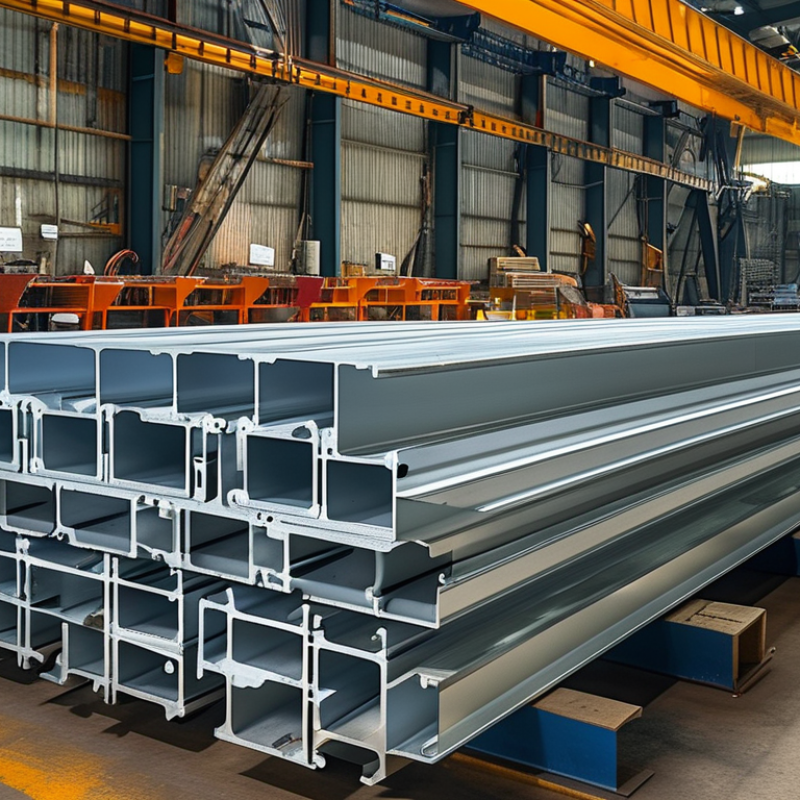
Understanding the Basics of Aluminum Profiles for Construction Projects
Aluminum profiles are crucial in construction projects. They are lightweight, durable, and highly versatile. Understanding their basics can greatly enhance your project's efficiency. These profiles come in various shapes, such as angles, channels, and tubes. Each shape serves a specific purpose, making it essential to select the right one.
Consider the strength-to-weight ratio of the aluminum profile you choose. Profiles with higher strength ratios can support heavier loads without adding unnecessary weight. Think about the environment too. Different finishes can affect durability. For instance, anodized aluminum resists corrosion better but may be more costly. Be mindful of your budget and intended application.
It’s easy to overlook the importance of precise measurements. Cutting aluminum profiles inaccurately can lead to project delays. On the other hand, using standardized sizes can reduce waste. Assessing your project’s specific needs allows for a more tailored approach. Proper selection of aluminum profiles not only impacts the aesthetics but also the overall structural integrity of your build.
Identifying the Key Factors in Selecting Aluminum Profiles
Choosing the right aluminum profiles for your projects is crucial. But how do you identify the key factors? Start by assessing your project's specific requirements. Consider load-bearing capacity, environmental factors, and aesthetic preferences. Each project has unique needs. Knowing these can prevent costly mistakes.
Tips: Always prioritize material strength. Look for profiles with sufficient thickness. This ensures durability without compromising weight. Moreover, evaluate the finish. Anodized finishes offer better corrosion resistance, vital for outdoor applications.
Don't overlook compatibility with other materials. Your aluminum profiles should work well with screws, brackets, or connectors used in your project. This aspect often gets ignored, leading to issues later on. Lastly, explore different profiles' versatility. One design might serve multiple purposes, saving time and money. Reflect on the long-term use of your chosen profiles. This consideration can enhance project sustainability.
Evaluating the Specific Requirements of Your Project
When selecting aluminum profiles, the specific needs of your project are crucial. Consider factors like load-bearing capacity, corrosion resistance, and thermal conductivity. For instance, construction projects often require profiles that can withstand heavy loads. According to a report by the Aluminum Association, 70% of aluminum applications involve these practical considerations.
Also, think about the project environment. Will it be exposed to extreme weather or chemicals? These elements can impact the type of aluminum alloy you need. In marine applications, for example, using a marine-grade alloy can enhance longevity. A study by the International Journal of Metal Science notes that specific alloys can increase resistance to saltwater corrosion by up to 50%.
Don't overlook design requirements. The profile’s shape affects functionality and aesthetic appeal. Custom extrusions can achieve unique designs but may require higher costs and longer lead times. A survey from the Fabricators and Manufacturers Association indicates that 60% of fabricators report challenges in balancing cost and custom requirements. It is essential to reflect on how these factors align with your project goals.
Comparing Different Types and Grades of Aluminum Profiles
When selecting aluminum profiles for your projects, it's crucial to understand the various types and grades available. Aluminum is typically categorized by its alloy series, with the most common being 1000, 2000, 3000, 4000, 5000, 6000, and 7000 series. Each series exhibits unique properties, such as strength, corrosion resistance, and formability. For instance, the 6000 series is widely regarded for its excellent extrudability and weldability, making it a popular choice for structural applications.
According to a report by the Aluminum Association, nearly 90% of aluminum produced is recyclable, underscoring the material's sustainability credentials. However, not all aluminum grades are created equal. A depth of experience reveals that weaker grades, such as 3003, might suffice for non-load-bearing applications but could fail under stress. Similarly, while higher strength alloys like 7075 offer superior properties, they can be more challenging to machine and form.
Practical considerations also come into play. A less experienced fabricator might overlook the importance of thermal treatment. Some profiles may require aging processes to enhance strength. Failing to account for this can lead to project delays or structural weaknesses. Therefore, weighing the specific demands of your project against the properties of various aluminum grades is essential for success.
Sourcing and Supplier Considerations for Aluminum Profiles
When sourcing aluminum profiles for your projects, prioritize the suppliers carefully. Assess their experience in the industry. A supplier with years of expertise is often more reliable. Check their certifications and compliance with industry standards. This ensures that the aluminum profiles meet quality expectations.
Look for suppliers who offer transparency in their operations. Good communication is vital. Ask for samples before committing. This step helps evaluate the quality firsthand. Also, consider the range of products available. A diverse selection allows for better customization.
It’s crucial to review customer feedback. Look for testimonials that highlight reliability and service. Analyzing feedback can uncover insights about potential issues. Weigh these factors against the needs of your project. It’s okay to find flaws in the process. Every experience is a learning opportunity.
