How to Choose the Best Yarn Bobbin Winder for Your Knitting Projects
When embarking on your knitting projects, one of the most crucial tools you may consider is the yarn bobbin winder. The process of winding yarn may seem simple, but it can significantly impact your overall crafting experience. According to renowned knitting expert, Emily Johnson, "The right yarn bobbin winder can not only save you time but also enhance your enjoyment of working with different yarns." This statement underscores the importance of selecting a high-quality winder that meets your unique needs.
In the vast array of options available today, choosing the best yarn bobbin winder can feel daunting for both beginners and seasoned knitters alike. With varying designs, features, and price points, understanding what to look for becomes essential in ensuring that your knitting projects proceed smoothly. Factors such as ease of use, durability, and compatibility with different yarn types play a pivotal role in making the right choice.
As we dive into the details of selecting a yarn bobbin winder, we will explore the essential features that should guide your decision-making process. Whether you are aiming for efficiency in winding yarn or looking to add a new tool to your crafting arsenal, finding the perfect yarn bobbin winder is key to elevating your knitting experience.

Understanding Yarn Bobbin Winders: Types and Features
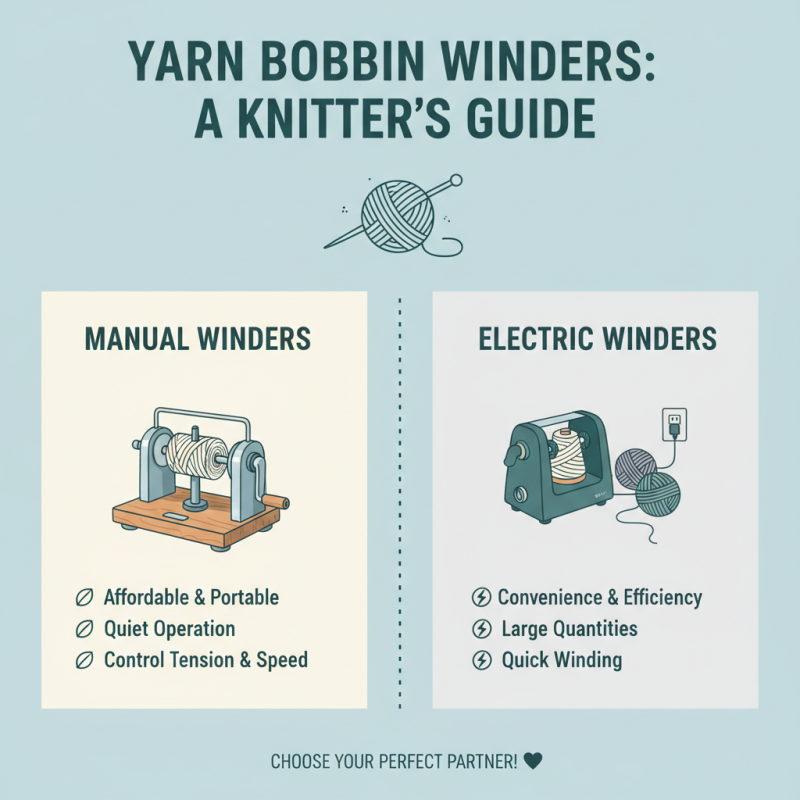
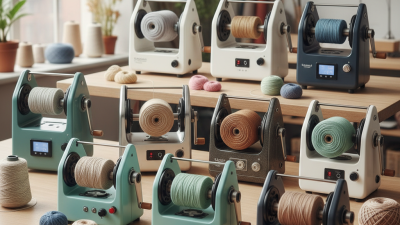
When selecting the best yarn bobbin winder for your knitting projects, it's essential to understand the different types and features available. Yarn bobbin winders come in manual and electric options. Manual winders are typically more affordable and portable, allowing for a quiet operation that can be an enjoyable, hands-on experience. They often require a bit of physical effort but allow for a greater degree of control over tension and winding speed, which can be vital for specific knitting projects. Electric winders, on the other hand, offer convenience and efficiency, making them ideal for those who work with large quantities of yarn or need to quickly wind multiple skeins.
Features to consider include the yarn capacity, winding speed, and ease of use. Some winders have adjustable tension settings and guide mechanisms that accommodate various yarn thicknesses, which can significantly impact the quality of your yarn bobbins. Additionally, look for models with a sturdy base to ensure stability during operation, especially if you're working with heavier yarns. A good yarn bobbin winder not only saves time but also helps maintain the integrity of your yarn, making it easier to work with while you create your knitting masterpieces.
Key Factors to Consider When Choosing a Bobbin Winder
When selecting the best yarn bobbin winder for your knitting projects, several key factors should be kept in mind. First, consider the type of yarns you typically work with. A versatile bobbin winder that accommodates various yarn weights and fibers will provide greater flexibility. It's essential to choose a model that can handle both delicate threads as well as heavier, bulkier yarns without causing damage or tangles.
Another important factor is the ease of use. Look for a bobbin winder that features simple setup and operation, as this will save you time and frustration, especially during lengthy projects. Features such as adjustable tension controls and automatic shut-off can enhance your experience, making the winding process smoother and more efficient. Additionally, portability might be a priority if you often knit on the go; a lightweight and compact winder can be beneficial for crafters who attend knitting groups or workshops.
Finally, pay attention to the build quality and durability of the winder. High-quality materials will ensure longevity, even with frequent use. A stable base is also crucial to prevent movement during winding, leading to a more consistent and tangle-free yarn release. By keeping these factors in mind, you can select a bobbin winder that meets your specific needs and enhances your knitting experience.
Comparing Manual vs. Electric Yarn Bobbin Winders
When selecting a yarn bobbin winder for knitting projects, the choice between manual and electric options can significantly influence your crafting experience. Manual yarn bobbin winders are often lauded for their simplicity and portability. They typically require minimal setup and are an excellent choice for knitters who prefer hands-on crafting. Using a manual winder can also provide a certain level of control over tension, allowing you to wind the yarn precisely as you wish. This tactile engagement can be particularly satisfying for artisans who enjoy the process of preparing their materials before embarking on a new project.
On the other hand, electric yarn bobbin winders streamline the winding process, making them ideal for those with larger quantities of yarn or frequent projects. These devices can wind yarn more quickly and consistently compared to their manual counterparts, reducing time and effort spent on preparation. Electric winders often come with features like adjustable tension settings and rapid winding speeds, catering to knitters who prioritize efficiency or are working on larger, more complex projects.
Ultimately, the choice between manual and electric winders hinges on personal preferences, project demands, and crafting habits, meaning knitters should carefully assess their needs before making a decision.
How to Evaluate the Size and Capacity of Bobbin Winders
When choosing a bobbin winder, the size and capacity should be primary considerations to ensure efficiency in your knitting projects.
Firstly, evaluate the maximum size of the spools or bobbins you plan to use. Standard bobbins often vary in length and diameter, and it’s crucial to select a winder that can accommodate the largest size in your collection. This will prevent frequent switching between different winders or the need to hand wind smaller spools, which can consume valuable time and may affect the consistency of your yarn tension.
Additionally, consider the capacity of the bobbin winder in terms of the amount of yarn it can hold. If you typically work with larger quantities of yarn for extensive projects, a winder with a higher capacity will be advantageous. This allows for fewer interruptions while winding, enabling a more seamless workflow. However, for smaller projects or lighter weight yarns, a compact winder might suffice. Keep in mind the storage space available, as larger winders may require more room, affecting your overall setup for knitting and yarn organization.
Maintenance Tips for Prolonging the Life of Your Bobbin Winder
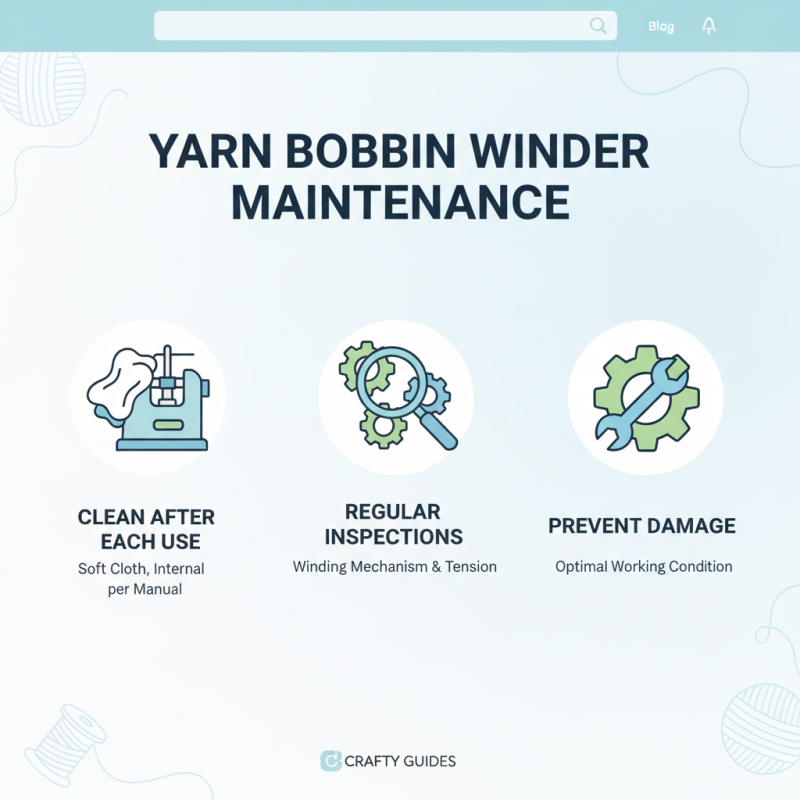
To ensure your yarn bobbin winder remains in optimal working condition, regular maintenance is essential. Start by cleaning the device after each use to prevent the accumulation of dust and debris. Use a soft, dry cloth to wipe down the exterior, and for the internal components, refer to the manufacturer’s guidelines on how to safely access and clean the parts without causing damage. Regular inspections of the winding mechanism and tension controls can also help identify any issues before they escalate.
Lubrication is another key aspect of maintenance. Depending on your winder’s design, applying a small amount of suitable lubricant to moving parts can enhance performance and reduce wear. Be careful not to over-lubricate, as excess oil can attract dirt and impede the winding process. Periodically check the electrical components, if applicable, to ensure all connections are secure and functioning properly. By following these maintenance tips, you can significantly prolong the life of your bobbin winder, ensuring it serves you well throughout many knitting projects.