How to Choose the Best Bull Dozer for Your Project?
Choosing the right Bull Dozer for your project can be challenging. With so many options available, it's crucial to understand your specific needs. The right Bull Dozer enhances project efficiency and productivity.
Consider factors such as size, power, and attachments. Each project may require different specifications. A smaller Bull Dozer might fit tight spaces, while a larger one provides more power for heavy-duty tasks. Reflect on your project scale and terrain.
Exploring different brands adds another layer. Reputable manufacturers offer reliable machines but may also present higher costs. Balancing quality and budget is essential. Don't rush your decision; taking time to assess your options can lead to better outcomes.
Understanding the Different Types of Bulldozers Available
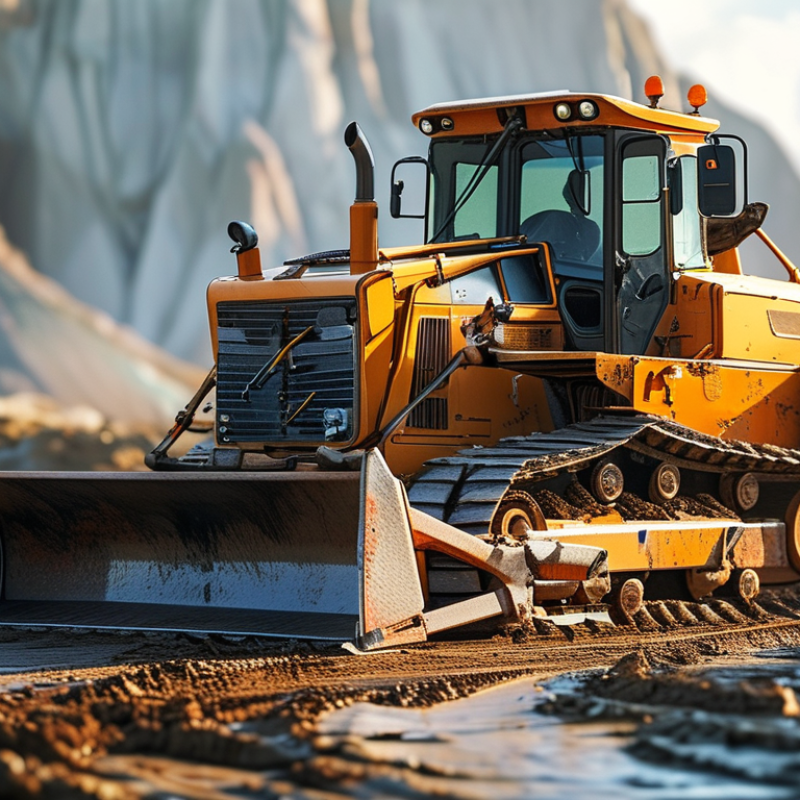
When selecting a bulldozer for your project, it's essential to understand the various types available. Bulldozers come in different configurations, each suited for specific tasks. The most common types include crawler, wheel, and mini bulldozers. According to industry reports, crawler bulldozers are favored for rough terrain due to their superior traction. They distribute weight evenly, which helps prevent sinking in soft ground. Wheel bulldozers, on the other hand, are better for flat surfaces and can move faster. Mini bulldozers provide versatility for small jobs, making them a popular choice for residential projects.
Choosing the right type impacts efficiency and cost. A report from the Association of Equipment Manufacturers emphasized that using an appropriate bulldozer can increase productivity by up to 25%. However, this does not mean larger machines are always better. They can be more challenging to maneuver in tight spaces. For larger jobs, a crawler bulldozer might be perfect, but for landscaping, a mini variant may be a wiser choice.
Understand the specifics of your site and project. Ensure you analyze the terrain and workload. If unsure, consulting with professionals can help. Not considering your job's requirements might lead to unnecessary expenses or project delays. Always weigh your options carefully to find the best fit for your needs.
Key Specifications to Consider When Selecting a Bulldozer
When selecting a bulldozer, key specifications play a crucial role. Begin with engine power. Higher horsepower allows for better performance on tough terrains. A bulldozer with adequate power can significantly increase productivity on your project site.
Next, consider the blade type and size. Dozers come with various blade designs, including straight and angle blades. A larger blade can move more material, but it also means larger equipment. Evaluate the scale of your project to find the right balance. Track width is another essential factor. Wider tracks provide better stability and lower ground pressure, which is important for soft ground conditions.
Another specification to reflect on is operational weight. Heavier dozers offer better traction and are less likely to slip. However, they may not be ideal for every environment. Lastly, think about attachments. Many bulldozers have optional attachments for specific tasks, like ripper blades or winches. Selecting the right dozer involves weighing all these factors against your project's unique demands. Even experienced operators sometimes overlook small but significant details when choosing the right equipment.
Evaluating the Terrain and Project Requirements for Bulldozer Use
When evaluating the terrain for bulldozer use, it's crucial to consider soil type and landscape features. According to the National Equipment Dealers Association, about 45% of projects fail due to improper equipment selection based on these factors. For instance, soft, sandy soil may require a dozer with wider tracks for better flotation, while rocky terrain needs a machine with robust undercarriage support.
Understanding project requirements extends to the size and weight of the bulldozer. A recent survey from the American Construction Association shows that approximately 30% of heavy machinery is underutilized, often due to misalignment with project needs. Utilizing a smaller, more maneuverable bulldozer for tight spaces can enhance productivity. Conversely, for large-scale earthmoving, a heavier model may be necessary.
Project scope also influences fuel efficiency. According to data from the Bureau of Labor Statistics, fuel costs can account for nearly 30% of operating expenses. Thus, selecting equipment suited for the project's scale can lead to significant cost savings. It's essential to reflect on these aspects to ensure that the chosen bulldozer aligns well with both the terrain and specific project demands.
Budgeting and Cost Considerations for Bulldozer Purchase or Rental
When considering a bulldozer for your project, budgeting is crucial. The cost for purchasing or renting these machines can vary significantly. Start by determining your project's scope. Consider how long you'll need the bulldozer. If it's a short-term job, renting may be the best option, freeing up cash for other necessities.
Evaluate not just the upfront costs but also maintenance and operating expenses. Rental fees might seem lower, but they can add up quickly with long-term use. If you're purchasing, think about storage and transport costs too. A less expensive bulldozer might require more repairs. Sometimes, investing upfront can save money in the long run.
Assessing your requirements can guide your decision. If you need heavy-duty performance, aim for a reliable model. Always check the machine's history or rent from a trusted source. Be ready for unexpected expenses. A solid plan includes contingency funds. Budgeting wisely ensures you have the right equipment without overspending.
Assessing Brand Reliability and Maintenance Support for Bulldozers
When selecting a bulldozer, assessing brand reliability is crucial. Not all brands are created equal in the construction equipment market. Some may present flashy features while lacking durability. Examine user reviews and expert testimonials. They often reveal insights that marketing materials do not. Relationships between contractors and manufacturers can indicate reliability based on long-term performance.
Maintenance support is equally important. You want a brand that offers robust after-sales service. Check if they provide accessible spare parts and skilled technicians. Fast repair times can significantly impact your project's timeline. Consider how easy it is to find local maintenance services. A strong support network can save you from expensive downtime.
Reflect on your unique project needs. A brand with a stellar reputation may not always be the right choice for you. Smaller brands might offer personalized service and quicker support. Evaluate all options thoroughly, balancing reputation with your specific requirements.