How to Choose and Work with Textured Yarn for Your Next Project?
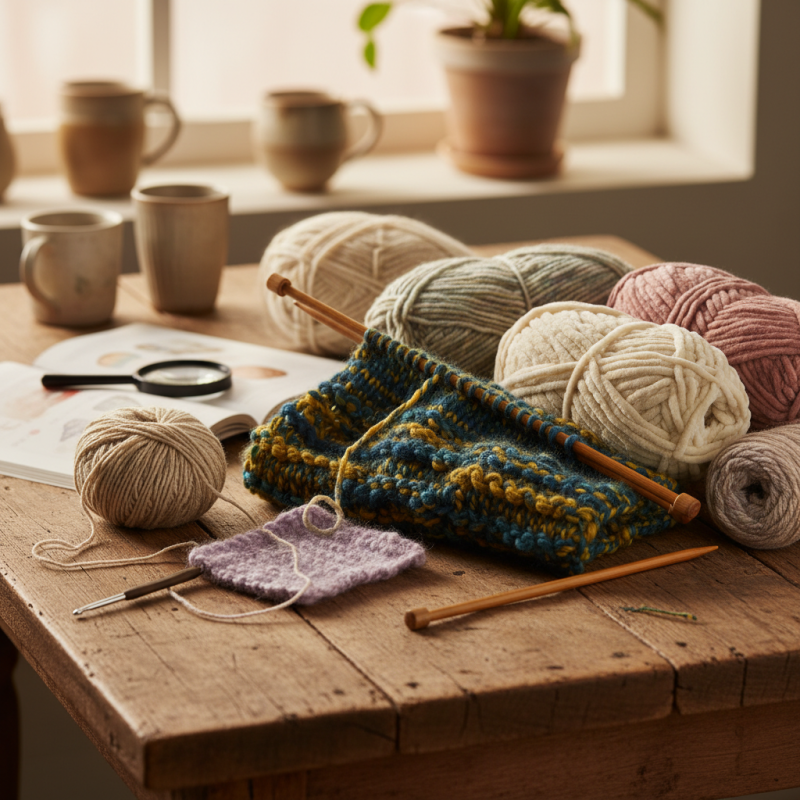
Choosing the right yarn can transform your project. Textured yarn offers unique possibilities and challenges. Consider its characteristics carefully.
Textured yarn comes in various styles. From boucle to chenille, each type creates different patterns and effects. The visual appeal adds dimension to your work. However, it can also complicate techniques. For instance, basic stitches might hide your hard work.
Working with textured yarn requires patience. It might be harder to see stitches. Mistakes can happen more often. A keen eye is necessary for a successful result. Experimenting with different fibers expands your skills. Embrace the imperfections that textured yarn brings. Learning from them is part of the creative journey.
Understanding Textured Yarn: Types and Characteristics
Textured yarn comes in various types and each has unique characteristics. One popular type is boucled yarn. It has loops that create a soft, fluffy texture. This yarn can be tricky to work with. The loops may catch on needles or hooks, which can lead to frustration. Choosing the right project for boucled yarn is essential. Simple patterns work best to showcase its texture.
Another option is chenille yarn. This type is velvety and very tactile. It provides a luxurious feel to any item. However, it can be challenging to stitch evenly. The plush texture often hides stitches, making errors harder to spot. A common mistake is to use complex designs. Opt for straightforward patterns to allow the yarn's beauty to shine through.
Roving yarn is also textured. It is thick and thin, creating a dynamic look. This yarn can feel awkward if not handled with care. It’s easy to over-tighten stitches. Start with loose tension to avoid issues. The beauty of roving lies in its natural variation. Embrace the imperfections; they add character and depth to your project. Working with textured yarn means balancing creativity with practical knowledge about each type's quirks.
Evaluating Your Project Needs: When to Choose Textured Yarn
When evaluating your project needs, understanding the role of textured yarn is crucial. Textured yarn can add depth and visual interest to your creations. According to the Yarn Market Report, textured yarn now comprises over 30% of the yarn market. This growth indicates a rising preference among crafters for unique finishes.
Consider the pattern you plan to use. If it's intricate, a smooth yarn may better showcase the details. However, a basic pattern can benefit from a vibrant textured yarn. A balanced choice enhances the overall look. For instance, an all-over textured design can sometimes appear chaotic. Knowing your project style helps in making informed decisions.
Tips: Always use a swatch. Testing your chosen yarn on a small piece can save time and frustration. Also, think about the end use of your project. Is it functional, decorative, or both? Sometimes, you may find that the yarn's texture is beautiful but impractical for your vision.
Textured yarn isn't flawless. It can be more challenging to work with, especially for beginners. Fraying and uneven tension can occur, leading to frustration. Reflect on your skill level before committing to a complex texture. Choosing the right yarn type and texture can significantly impact your final project.
Techniques for Working with Textured Yarn: Tips and Tricks
Textured yarn can transform your projects into captivating creations. However, working with it can be challenging. To succeed, start by understanding the different types of textures available. According to a study by the Craft Yarn Council, 70% of knitters and crocheters report preference for unique yarn textures. This statistic highlights the importance of texture in design choices.
When using textured yarn, consider needle size and stitch patterns. A larger needle can help prevent the yarn from becoming too tight. Additionally, simple stitch patterns often work best. Complicated designs might get lost amidst the texture. A survey shows that many crafters believe that easy-to-follow patterns can enhance their experience. This is a reminder: sometimes less is more.
Pay attention to tension. Textured yarn can vary in thickness, leading to inconsistent tension. For beginners, it’s essential to create a swatch. This will help gauge how the yarn behaves and how it interacts with your chosen pattern. Many crafters overlook this step but regret it later. Ensuring your project matches the intended size can save time and frustration. Remember, mastery comes with practice, and it's okay to make mistakes along the way.
Yarn Texture Preferences for Knitting Projects
This chart illustrates the popularity of various textured yarns among crafters, measured as a percentage. Boucle and Chenille yarns are the most favored, often chosen for their unique aesthetics and softness.
Combining Textured Yarn with Other Materials: Best Practices
Combining textured yarn with other materials can elevate your project significantly. Textured yarn provides depth and dimension, enhancing the overall aesthetic. According to industry reports, designers often favor blending yarns with varying textures and fibers for a richer look. For instance, combining cotton with fuzzy yarn can yield a unique tactile experience. This blend is especially popular for wearable items.
However, blending materials requires care. Not all textures work well together. A rough yarn may clash with a soft, smooth one. It's crucial to consider weight and drape. Research shows that yarn weight differences can lead to uneven tension. Achieving harmony is often more challenging than expected. Test swatches in different combinations before committing.
Another common pitfall is neglecting the washing and care instructions of blended materials. Some fibers react differently to washing, leading to fraying or fading. A recent survey indicated that 30% of knitters faced issues due to incompatible care guidelines. Experimentation is key, but make sure to document your results. This will help refine your technique for future projects. Don’t be afraid to unravel what doesn’t work. Embrace the learning curve.
Care and Maintenance of Finished Projects Using Textured Yarn
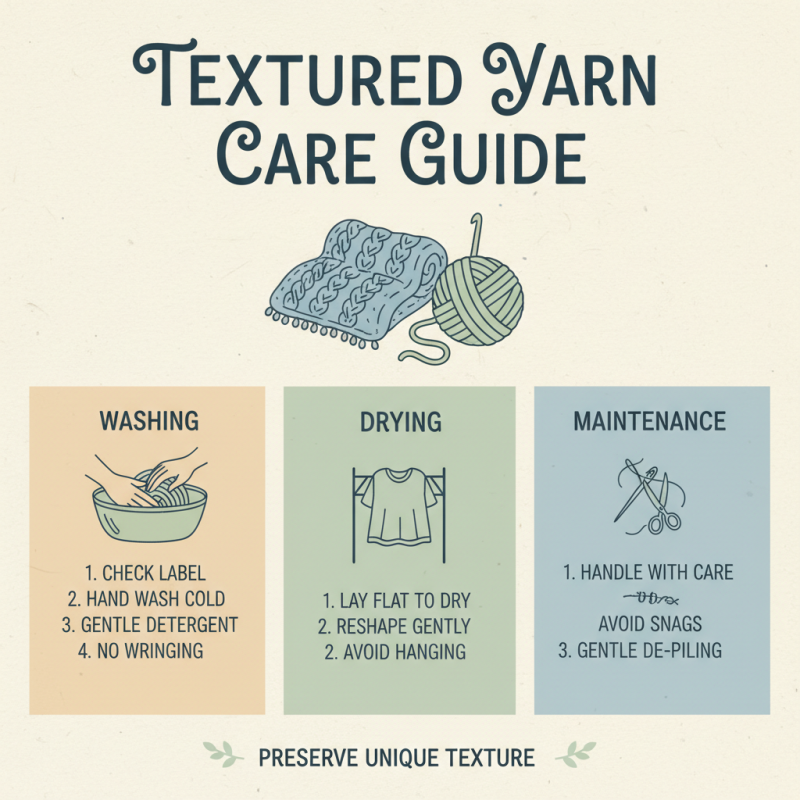
When working with textured yarn, care and maintenance are vital. Textured yarn can be delicate, and its unique properties require special attention. For washing, always check the care instructions. Hand washing is often safest. Use cold water with a gentle detergent. Avoid wringing, as this can distort the texture. Lay projects flat to dry to preserve their shape.
Storing finished projects also deserves thought. Keep items in a cool, dry place. Avoid direct sunlight to prevent fading. Consider using breathable bags. This keeps dust away while allowing air circulation. Regularly inspect for pests too. It's frustrating to find damage after spending time on a project.
Remember to embrace imperfections in your work. Textured yarn can sometimes lead to uneven stitches. This can add character or, at times, distraction. Don’t be discouraged; it's part of the process. Reflect on how these unique features can enhance your design. Adjustments might be needed, but that's where creativity shines. Enjoy the journey of crafting and caring for your creations.