2026 How to Choose the Best Polyester Yarn for Your Projects?
Choosing the right polyester yarn for your projects can be overwhelming. The polyester yarn market is expected to grow significantly, valued at over $24 billion by 2026, according to a recent industry report. This growth highlights the increasing popularity of polyester in the textile industry due to its strength and versatility.
Expert Susan Millerick, a recognized leader in the yarn industry, emphasizes, "The right polyester yarn can enhance the quality and longevity of your projects." This statement captures the essence of why selection matters. With numerous options available, it is crucial to understand factors like texture, weight, and color. Each choice impacts the final outcome of your work.
However, selecting the best polyester yarn requires careful consideration. Not all polyester is created equal. Some may lack the desired softness or durability. It's essential to research and test different brands. Stay informed and be willing to adapt your choices as needed.
Understanding Polyester Yarn Types and Characteristics
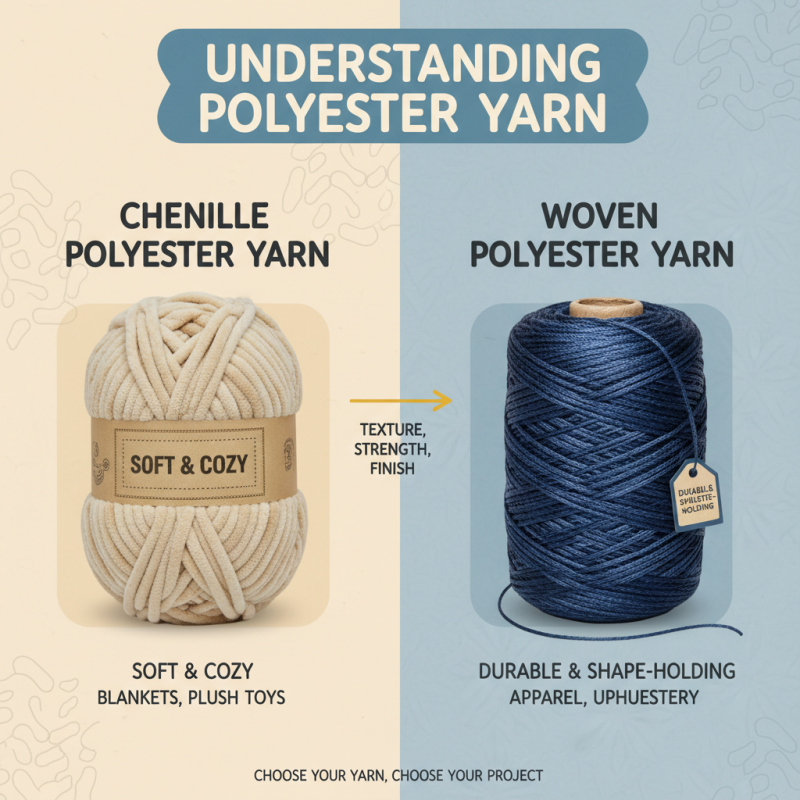
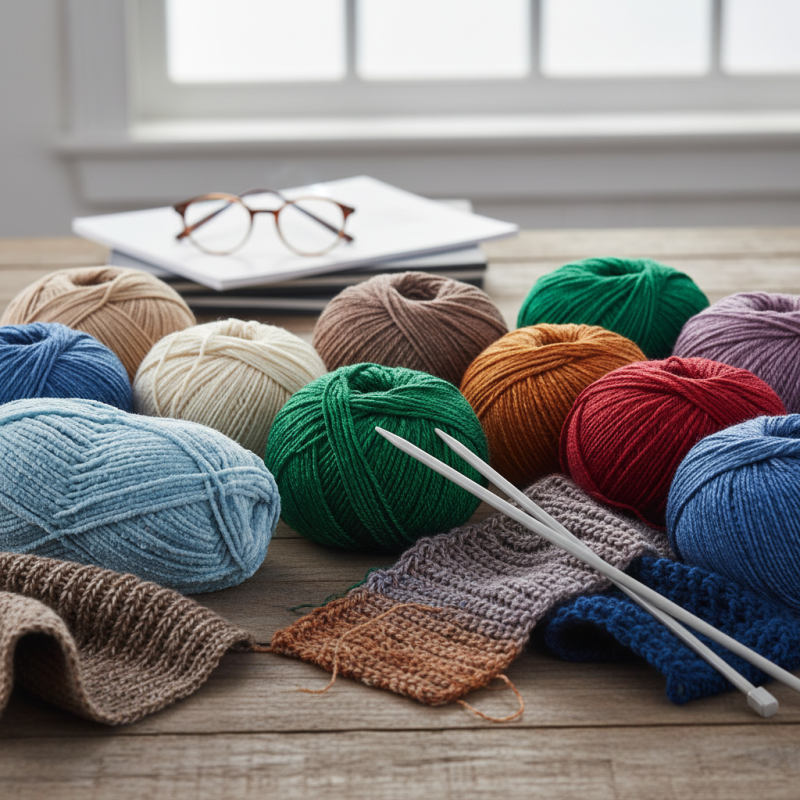
When selecting polyester yarn for your projects, understanding its types and characteristics is crucial. Polyester yarns vary in texture, strength, and finish. Some have a smooth finish, while others might feel more textured. For instance, chenille polyester yarn offers a soft, plush feel, perfect for cozy projects like blankets. In contrast, woven polyester yarn is durable and holds its shape well, making it suitable for garments.
Tips: Consider the project type when choosing. If you’re knitting a sweater, select a softer yarn. For outdoor projects, opt for durable blends. Always check the yarn weight to ensure it matches your pattern’s requirements.
The dyeing process of polyester yarn can also impact your choice. Some yarns may fade over time due to environmental exposure. Take note of the colorfastness in your selection. If you're creating items that will be washed frequently, this is vital. Be aware that cheaper options may not hold their color as well as premium choices.
Experimenting with different yarns can yield surprising results. Don’t be afraid to mix textures for a unique feel. Some combinations might not work as expected, leading to an unexpected look. Learning what works best for your projects will take time and practice.
Key Factors to Consider When Choosing Polyester Yarn
When choosing the best polyester yarn for your projects, various factors play a crucial role. Begin by considering the yarn weight. Lighter weights are ideal for delicate projects, while heavier yarns suit items like blankets or bags. This choice greatly affects the final look and feel of your creations.
Another key factor is the yarn’s texture. Some polyester yarns have a smooth finish, making them easy to work with. Others may be more textured, adding depth to your projects. Think about your project’s purpose. For example, softer textures are often better for garments, while sturdier options work well for home decor items.
Color options can also influence your decision. Polyester yarn often comes in a broad range of vibrant hues. However, be cautious. Sometimes the color in the skein may differ from the finished product. Additionally, check for dye lots to ensure consistency in your pieces. Reflecting on these factors will help enhance your crafting experience, making your projects more enjoyable.
Evaluating Yarn Weight and Texture for Your Project Needs
When selecting polyester yarn, evaluating both yarn weight and texture is essential. Yarn weight affects the thickness and feel of your final project. Heavier yarns create dense, warm items, while lighter weights yield delicate, airy pieces. Consider the project you have in mind. Is it a cozy sweater or a lightweight scarf? Your choice of yarn weight can significantly influence the success of your creation.
Texture, too, plays a vital role. Polyester yarns can vary from soft and silky to rough and coarse. A smooth texture is great for garments worn close to the skin. Coarser textures work well for items that require more structure, like bags or baskets. Feel the yarn in your hands. Does it slip easily, or does it cling? This sensory experience is crucial for making the right choice.
Tips: Always swatch before committing to a project. This step allows you to feel the yarn’s texture and see how it behaves when crocheted or knitted. Don’t shy away from mixing weights or textures for a unique feel. Also, reflect on past projects—what worked well? What didn’t? Your experiences will guide your future choices.
Comparing Polyester Yarn Brands and Their Quality
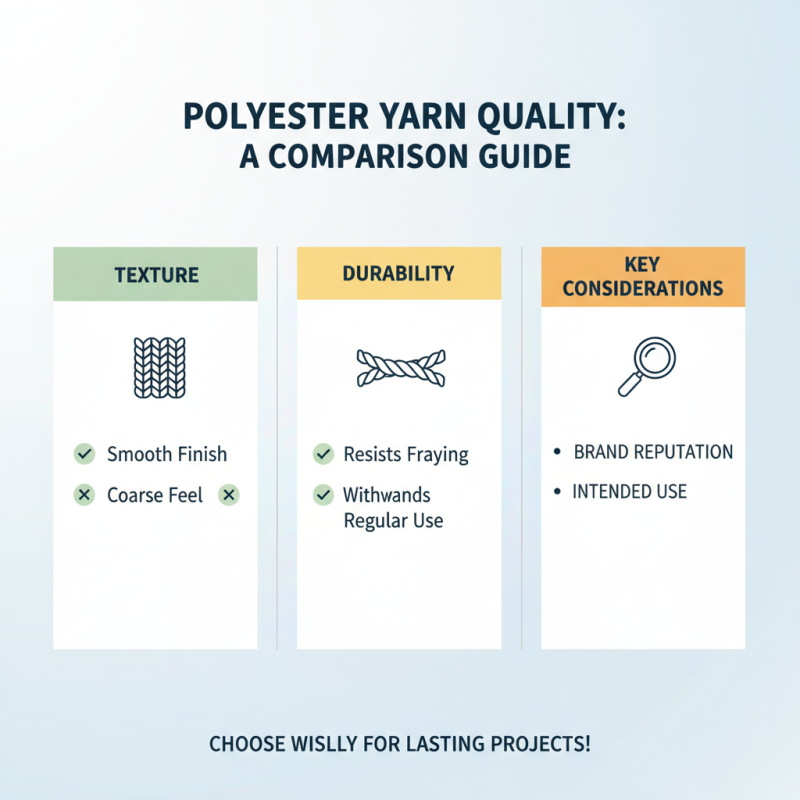
Choosing the right polyester yarn can seem overwhelming. With so many brands and types available, how does one sift through the options? Quality is key. Not all polyester yarns are created equal. Some may feel coarse, while others have a smooth finish. Pay attention to the texture and durability. You want a yarn that will withstand regular use without fraying.
Brands often advertise their products, but user experiences tell a different story. Look for reviews that highlight not just the good, but also the shortcomings. Some yarns may fade over time, while others may not hold their shape after washing. If you notice a recurring theme in reviews, take it seriously. Different projects require different standards. For instance, what works for a cozy blanket may not suit a delicate garment.
Experimentation is part of the process. Don’t hesitate to try yarns from lesser-known brands. You might discover a gem that rivals top names. Reflecting on your own experiences will help you navigate future choices. Trust your instincts and preferences, as they are as valuable as any brand claim.
Tips for Caring and Maintaining Polyester Yarns in Crafts
Caring for polyester yarn is crucial for maintaining the quality of your projects. This synthetic fiber is known for its durability and resistance to wear. According to industry reports, over 70% of crafters face issues related to yarn maintenance due to improper care methods. Polyester yarns can be machine washed, but it’s important to use cold water settings. Hot water can damage the fibers and alter the fabric's texture.
Drying is another aspect to consider. It’s recommended to air dry polyester yarn to avoid heat damage often caused by tumble dryers. While most manufacturers provide care labels, not all crafters read them. Ignoring these instructions can lead to fading and pilling. A staggering 40% of crafters report color fading after frequent washes, indicating a need for awareness.
Storing polyester yarn correctly can prolong its lifespan. Use breathable containers to prevent moisture buildup, which can cause mildew. While polyester is less prone to damage than natural fibers, UV exposure can lead to discoloration. It’s easy to overlook these details during storage, possibly resulting in regret later. Monitoring these aspects may seem tedious, but they are vital for preserving the quality of your creations.
2026 How to Choose the Best Polyester Yarn for Your Projects?
| Yarn Type |
Weight |
Best Use |
Care Instructions |
Durability |
| Medium Weight Polyester |
Worsted |
Sweaters, Scarves |
Machine wash, tumble dry |
High |
| Bulky Polyester |
Bulky |
Blankets, Throws |
Hand wash, lay flat to dry |
Very High |
| Fine Polyester |
Fingering |
Lacework, Delicate Garments |
Hand wash, air dry |
Medium |
| Chunky Polyester |
Super Bulky |
Shrugs, Hats |
Machine wash, do not iron |
High |
| Recycled Polyester |
Worsted |
Eco-friendly Projects |
Machine wash, low heat to dry |
Very High |