What is the Best Thread Winding Machine for Your Business?
Choosing the right thread winding machine is crucial for your business. This equipment plays a vital role in the textile industry, affecting product quality and production efficiency. A suitable machine can enhance your workflow and reduce material waste. However, selecting the best one can be daunting.
Consider your specific needs. Different machines offer unique features, and not all will fit your production scale or fabric types. Some businesses may prioritize speed, while others focus on precision. It’s essential to evaluate each machine's strengths and weaknesses.
Investing in a quality thread winding machine is significant. The right choice can elevate your production process. Yet, making an informed decision requires thorough research and experience. Understanding your unique requirements will help you select a reliable machine that meets industry standards. This journey may bring challenges, but the rewards will outweigh the efforts.
Understanding the Importance of Thread Winding Machines in Textiles
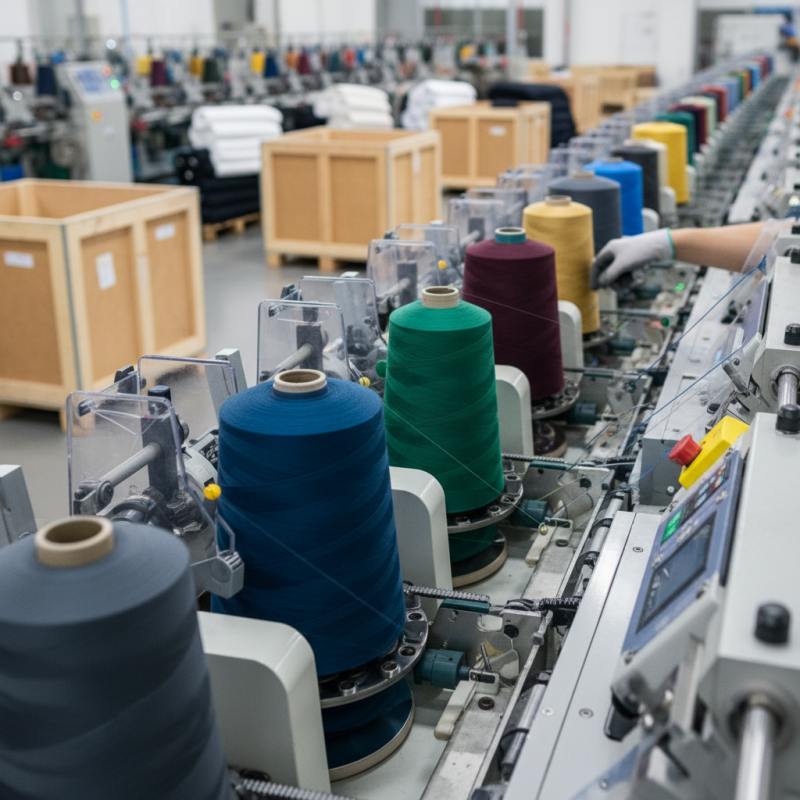
Thread winding machines play a critical role in the textile industry. These machines efficiently wind threads onto spools, ensuring organized storage and ease of use. Properly wound threads can significantly decrease production downtime. Without these machines, businesses may face challenges with tangling and inconsistent thread tension. Understanding these factors can elevate overall production quality.
It's essential to consider your specific needs when choosing a thread winding machine. Not all machines are created equal. Some may excel in speed, while others focus on precision. Assessing your production scale and type can guide your decision. For example, if your business requires diverse thread types, versatility becomes key in your selection process.
Tips to consider:
- Always inspect the machine's winding capacity.
- Look for features that assist with tension control.
- Explore options that offer easy maintenance.
Remember, an unsuitable machine can lead to frustrations and inefficiencies. Investing time in research can save money and improve workflow in the long run. Be prepared to revisit your choices as your business evolves.
Key Features to Look for in a Thread Winding Machine
When selecting a thread winding machine, understanding the key features is crucial. The type of machine you choose can greatly influence your production efficiency. Start by considering the winding speed. A higher speed can increase productivity but may require careful handling to avoid thread tangling. Look for machines with adjustable speeds to cater to different thread types.
Next, precision is vital. Accuracy in winding ensures that threads are tightly and uniformly wound, reducing the chances of defects. A machine with excellent tension control will help maintain this accuracy. Automatic tension adjustment features can be a game changer, especially for businesses producing varied thread types.
Moreover, ease of use cannot be overlooked. Intuitive controls and user-friendly interfaces save time during setup and operation training. Insufficient training can lead to mistakes, which slows down production. Additionally, consider the durability of the machine. Regular maintenance is essential to ensure reliability. Machines that require frequent repairs can disrupt your workflow, leading to inefficiencies. Finding a balance between advanced features and robust construction is key to choosing the right machine for your business needs.
Comparative Analysis: Manual vs. Automatic Thread Winding Machines
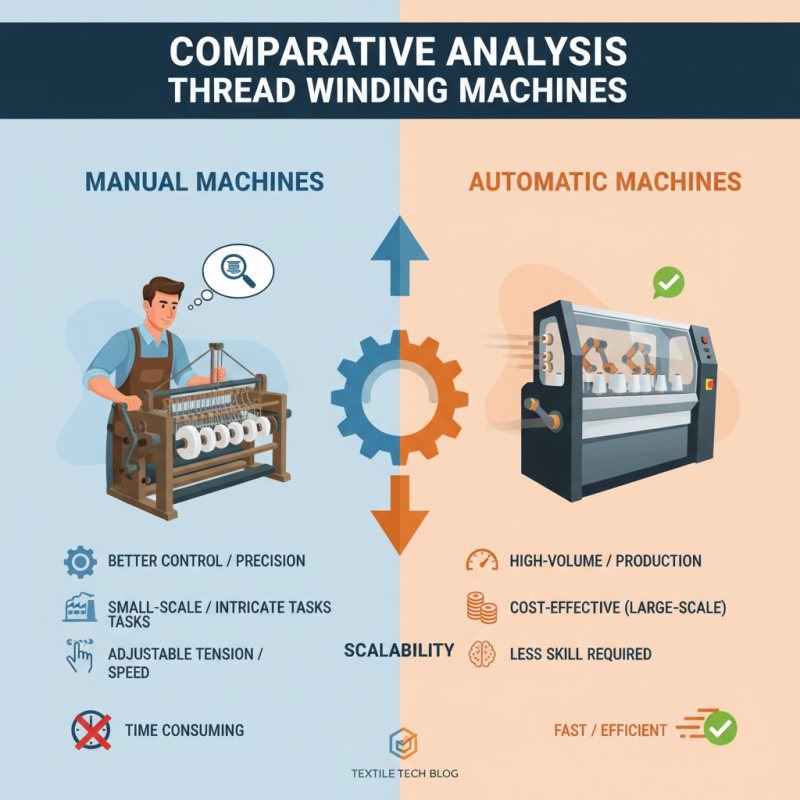
Choosing between manual and automatic thread winding machines is a critical decision for any business. Manual machines often allow for better control and precision. They are ideal for small-scale operations and intricate tasks. Users can modify the tension and speed according to specific requirements. However, manual machines require significant skill and can be time-consuming.
On the other hand, automatic thread winding machines streamline the process. These machines increase production efficiency and reduce labor costs. They can handle larger volumes and operate continuously. Businesses may save time but risk compromising on quality if the machines aren't calibrated correctly. It's essential to monitor the output closely. Some users report issues with thread breakage, which can lead to waste and delays.
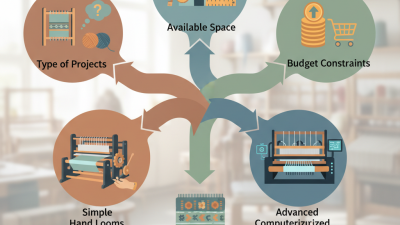
Ultimately, the choice depends on your business needs. Evaluate your production scale, available labor, and quality requirements. Consider testing both types before making a purchase. A direct comparison might reveal strengths and weaknesses not initially obvious. Choosing the right machine could significantly impact productivity and profit margins.
Top Brands in the Thread Winding Machine Industry and Their Market Shares
When considering a thread winding machine for your business, it's vital to understand the landscape of the market. Various brands offer distinct features, catering to different industry needs. Some brands focus on high-speed operations, while others prioritize durability and ease of use. Each brand has carved its niche, influencing their market shares significantly.
Market trends show a shift toward automated and user-friendly machines. Some brands lead in innovation, introducing smart technologies that enhance efficiency. It's crucial to evaluate these advancements critically. Not every innovative feature adds real value. Sometimes, simplicity is more beneficial than complexity. Additionally, brand reputation can indicate reliability, but it's wise to gather user feedback.
Reflecting on these factors, it’s essential to weigh your operational requirements against the available options. Every business has unique needs. The ideal machine boosts productivity while remaining cost-effective. Selecting a brand should be an informed choice, balancing features, reliability, and support. In this evolving market, staying updated on brand performance can guide better decisions.
Maintenance Tips for Prolonging the Life of Your Thread Winding Machine
Thread winding machines are crucial for many industries, including textiles and electronics. Proper maintenance can significantly extend their lifespan. According to a report by the International Journal of Machinery, regular upkeep can reduce operating costs by up to 30%. Companies should adopt a routine maintenance schedule that includes cleaning, lubrication, and inspection of mechanical components.
Common wear and tear can affect the performance of these machines. Dust and debris can accumulate in critical areas, leading to overheating. In a study conducted by the National Association of Manufacturers, 45% of machinery failures resulted from inadequate maintenance. Operators must carefully monitor the condition of belts and threads, ensuring they are not frayed or misaligned. Ignoring these details can result in costly downtime and repairs.
Additionally, training personnel is essential for effective maintenance. Experts recommend hands-on training programs to ensure operators can identify potential issues early. Routine checks should include testing for electrical faults and ensuring safety features are operational. An alarming statistic states that up to 25% of workplace accidents involve machinery malfunctions, highlighting the necessity for diligent care. Regular maintenance not only enhances machine longevity but also guarantees a safer work environment.
Thread Winding Machine Maintenance and Efficiency