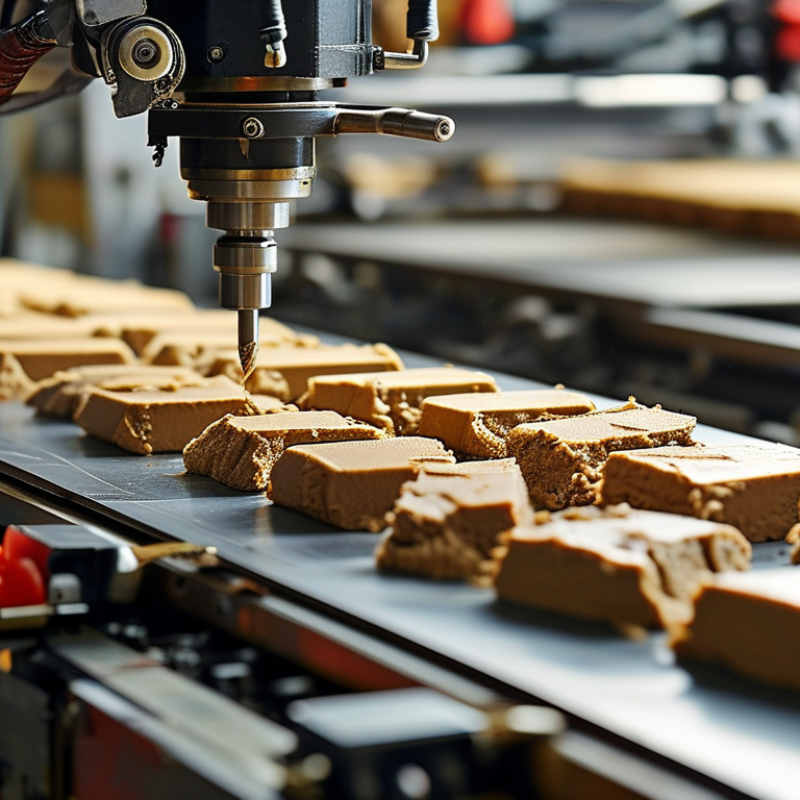
Best Protein Bar Cutting Machine for Efficient Production?
In the competitive world of snack production, efficiency is key. Many manufacturers are turning to advanced technology to streamline their operations. One essential tool in this process is the Protein Bar Cutting Machine. This equipment plays a critical role in shaping and preparing protein bars with precision.
A high-quality Protein Bar Cutting Machine can enhance production speeds while maintaining consistency. The market offers various options, but selecting the right machine can be challenging. Factors such as design, material compatibility, and maintenance need careful consideration.
Choosing the perfect cutting machine is not just about speed. It involves understanding your specific production needs. Although many machines perform well, they may not fit every production line seamlessly. Assessing the unique requirements of your workflow is essential for optimal results.
Overview of Protein Bar Cutting Machines in the Market
When it comes to protein bar production, choosing the right cutting machine is essential. The market has various models, each with unique features. Many machines offer adjustable cutting settings. This flexibility allows producers to create bars of different sizes. A well-designed machine can significantly increase production efficiency.
Consider investing in a machine that is easy to clean. Maintenance is crucial for longevity. Some models incorporate stainless steel, which helps reduce contamination. Look for machines with user-friendly interfaces. These often include digital displays for accurate settings. Operators should feel comfortable using them.
Tips: Always evaluate the machine's output speed. A high-speed cutter may seem appealing. However, it should not compromise the quality of cuts. Proper alignment also matters. Misaligned bars can lead to inconsistent sizes. Regular checks and adjustments can prevent this issue.
Key Features to Look for in a Protein Bar Cutting Machine
When selecting a protein bar cutting machine, consider some essential features that enhance efficiency. A reliable machine should have adjustable cutting blades. This flexibility allows for creating various bar sizes, catering to different market needs. Speed is crucial; a faster machine increases production capacity without compromising quality.
Tips: Always look for user-friendly controls. Simple interfaces minimize training time and reduce mistakes during operation.
Another significant feature is the machine's durability. A robust construction ensures longevity even under constant use. Moreover, hygiene standards are vital in food production. Check for easy-to-clean materials and design. This helps maintain safety and quality in your protein bars.
Tips: Regular maintenance checks are essential. Addressing small issues promptly can prevent larger failures later.
Investing in automation can also maximize efficiency. Automated features ensure consistent cuts and reduce labor costs. However, weigh the initial investment against potential long-term benefits. A balance is crucial between automation and manual control for optimal production.
Benefits of Using an Efficient Cutting Machine for Production
In modern food production, efficiency is key. An efficient protein bar cutting machine can significantly enhance productivity. These machines ensure consistent sizing of each bar, which is crucial for packaging and branding. When bars are cut uniformly, it minimizes waste and boosts the overall output. Operators can spend less time on manual cutting and focus on other essential aspects of production.
Using a cutting machine also improves precision. A reliable machine can reduce the chances of human error. Misjudged cuts can lead to inconsistent weights, affecting nutritional labeling. Furthermore, automated cutting allows for faster operations. This can result in shorter lead times, allowing businesses to meet increasing market demands more effectively.
However, it's important to regularly maintain these machines. Neglecting upkeep can lead to breakdowns and delays. Potential issues might not be evident until it's too late, causing production hiccups. Investing in training for operators is equally vital. A well-trained workforce can maximize the machine's capabilities, ensuring smooth and efficient operations.
Comparative Analysis of Leading Brands and Models
When selecting a protein bar cutting machine, several factors come into play. Efficiency, precision, and ease of use are vital. Many machines offer automated functions, which reduce manual labor. However, not all machines fit every production scale. High-speed models may be ideal for large operations but could be overkill for smaller batches.
It's essential to analyze the cutting methods. Some machines employ blade systems, while others use wires. Blade systems can deliver clean cuts but may require more maintenance. Wires can be faster, but they tend to wear out quickly. Reflecting on these differences can guide your choice.
Tips for choosing the right machine include assessing the material of the bars. Harder bars need sturdier cutting mechanisms. Additionally, consider the machine's size. A space-efficient design can save valuable floor space in a production area. Testing several models can provide insight into their performance and ease of operation. Always check reviews and seek feedback from current users to gauge reliability.
Best Protein Bar Cutting Machine for Efficient Production? - Comparative Analysis of Leading Brands and Models
| Model | Cutting Speed (bars/min) | Cutting Precision (mm) | Weight (kg) | Power Consumption (W) | Price (USD) |
| Model A | 25 | 2 | 120 | 1500 | 5000 |
| Model B | 30 | 1.5 | 110 | 1700 | 6000 |
| Model C | 20 | 2.5 | 130 | 1400 | 4500 |
| Model D | 28 | 2 | 115 | 1600 | 5500 |
Maintenance Tips for Prolonging the Life of Cutting Machines
Maintaining a protein bar cutting machine is essential for optimizing production efficiency. Regular upkeep can significantly extend the life of these machines. Start by cleaning the cutting blades after each use. Residual ingredients can lead to rust or dull blades, hampering performance. A simple wipe down with a soft cloth can make a big difference.
Inspecting the machine's components should be a routine task. Look for any signs of wear and tear on belts and motors. Even small issues can lead to major breakdowns. If you notice anything unusual, address it promptly to prevent further damage. Regular lubrication of moving parts helps ensure smooth operation.
Another important aspect is calibration. Ensure the cutting sizes remain consistent. Drifting measurements can lead to product inconsistency. Keeping a maintenance log can help track when adjustments are needed. Every machine has its quirks, and recognizing them early is crucial. Take the time to reflect on the machine’s performance regularly to ensure it meets production goals.