Weavetech

How to Choose the Best Piglets Nursery House in 2026?

Choosing the best Piglets Nursery House in 2026 requires more than comparing prices, panel thickness, or installation speed. A successful nursery must protect young pigs while supporting practical daily work. Temperature stability, fresh air, clean flooring, drainage, lighting, and easy observation all influence performance. Small design mistakes can become expensive health and labor problems.

Animal-behavior expert Dr. Temple Grandin has said, “The best way to improve animal welfare is to improve the design of the facilities.” Her point remains highly relevant to modern piglet production. A well-planned Piglets Nursery House should reduce drafts without trapping moisture. It should provide warm resting areas, dry surfaces, secure feeders, and reliable water access. Staff should also reach every pen quickly. That detail matters during weak-pig checks, cleaning, and routine treatment.

This guide will examine the main choices for 2026, including ventilation control, insulation, pen layout, hygiene systems, energy use, and long-term maintenance. It will also consider welfare and biosecurity from a practical perspective. Not every advanced feature delivers equal value. Sometimes, a simple washable wall performs better than an expensive automated system. That is easy to overlook. Buyers should compare real farm conditions, not showroom promises. A beautiful house can still fail when humidity rises, fans stop, or cleaning becomes difficult. The best decision balances piglet comfort, worker safety, operating costs, and dependable performance over many years. Room for improvement should remain part of the plan.
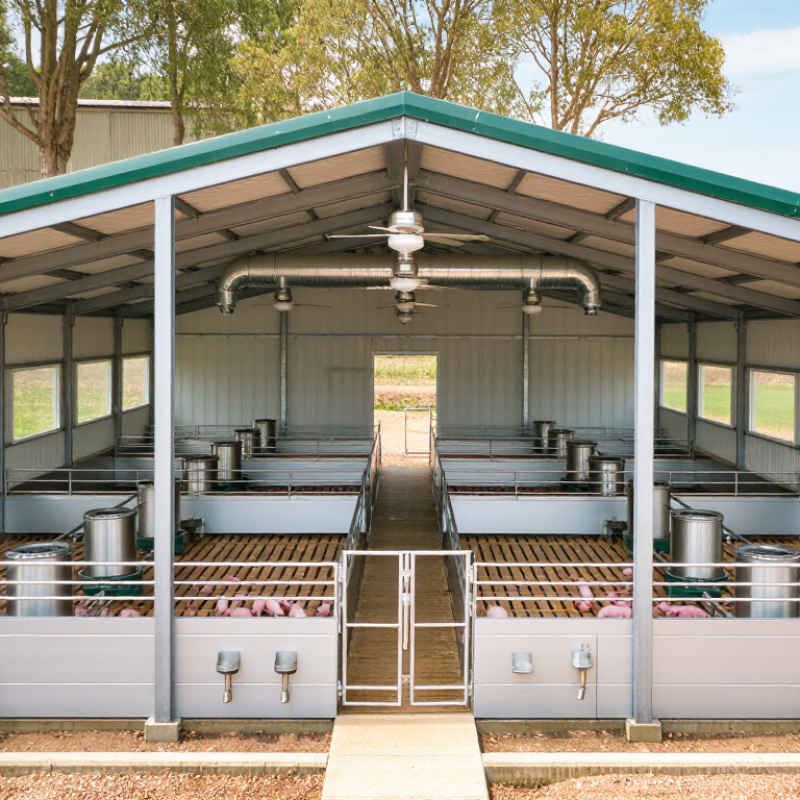
How to Choose the Best Piglets Nursery House in 2026?

What a Piglet Nursery House Is and Why It Matters in 2026

How to Choose the Best Piglets Nursery House in 2026?

A piglet nursery house is a controlled space where recently weaned piglets grow, recover, and build feeding habits. It separates young animals from larger pigs and reduces stressful competition. In 2026, this building matters more because farms face tighter labor, energy, and welfare demands. A well-designed nursery supports stable temperature, clean air, dry floors, and consistent observation. Small details matter.

During farm visits, experienced producers often check the piglets before admiring the building. Are their ears relaxed? Are they lying evenly, or crowding under one heater? A reliable nursery should provide adjustable heating, gentle ventilation, and enough room around feeders and drinkers. Slippery flooring can cause injuries, while poor drainage keeps bedding damp. These problems are easy to underestimate during construction.

A professional selection also includes washable surfaces, secure access, and simple daily controls. Temperature sensors can help, but staff must still inspect the animals by hand. Technology is useful. It is not judgment. Records should track feed intake, treatments, coughing, mortality, and uneven growth. A qualified swine veterinarian can review these patterns and challenge optimistic assumptions. I would not choose a house from drawings alone. A quiet test room may behave differently after stocking, cleaning, and winter ventilation. That uncertainty deserves careful review.

How to Choose the Best Piglets Nursery House in 2026?

A piglet nursery house should provide enough usable floor space for growth, reduce overcrowding, and support effective ventilation, cleaning, and welfare management.

The chart shows the minimum unobstructed floor area per pig used in EU pig-welfare requirements: 0.18 m² for pigs weighing 10–20 kg, 0.20 m² for 20–30 kg, and 0.30 m² for pigs above 30 kg. When selecting a nursery house in 2026, treat these figures as a legal baseline and allow additional space where possible for better hygiene, airflow, growth, and daily management.

Reference: Council Directive 2008/120/EC, Annex I, minimum unobstructed floor area for group-housed pigs.

Key Design Features for Piglet Health, Safety, and Comfort

How to Choose the Best Piglets Nursery House in 2026?

A good nursery house protects piglets from chilling, drafts, injury, and poor air quality. AHDB environmental guidance recommends about 26–28°C for newly weaned piglets, with gradual weekly reductions. Use insulated walls, sealed roof joints, and adjustable air inlets. A warm, dry lying area matters more than simply raising the thermostat. Piglets should rest together, but they should not pile tightly. That is an early warning sign.

Floor design also shapes health and safety. The 2023 European Commission animal-welfare review highlights dry flooring, adequate space, and clean water as core welfare conditions. Choose non-slip surfaces with gentle drainage and no sharp edges. Provide enough feeder space to reduce pushing after meals. Check nipple drinkers daily; a blocked drinker can become a serious problem within hours. Ventilation should remove moisture without blowing cold air across the sleeping zone. In practice, many houses look efficient on paper but fail during sudden weather changes.

Tips: Install temperature and humidity sensors at piglet height. Record readings twice daily. Keep ammonia below 10 ppm where possible, following professional ventilation guidance. Walk the pens quietly before feeding, and watch coughing, huddling, wet tails, or uneven growth. No design is perfect. Review mortality, treatment records, and worker observations every month. A small layout change may prevent repeated stress.

How to Compare Climate Control, Hygiene, and Housing Systems

How to Choose the Best Piglets Nursery House in 2026?

A nursery house should control temperature, humidity, airflow, and drafts together. The Pork Information Gateway recommends approximately 27°C for newly weaned piglets, with gradual cooling as their body weight increases. Do not guess. Install sensors at piglet height, not beside the ceiling fan. A cold floor can stress piglets even when the room thermometer looks comfortable.

Ventilation must remove moisture without chilling animals. Midwest Plan Service guidance recommends checking ammonia, carbon dioxide, and relative humidity during daily inspections. Keep ammonia preferably below 10 ppm, and investigate immediately when coughing or watery eyes appear. Simple alarms help, but staff still need to walk the rooms. Airflow matters.

Hygiene begins with housing design. Smooth, washable surfaces, separated clean and dirty routes, and effective drainage reduce contamination risks. All-in/all-out housing also allows complete washing and drying between groups. The USDA APHIS National Animal Health Monitoring System identifies cleaning, disinfection, and controlled movement as essential swine biosecurity practices. Housing systems with slatted floors may improve drainage, but poor gaps can injure feet. Solid floors feel warmer, yet they demand stricter manure management. The National Pork Board’s sustainability assessments reported major long-term reductions in pork’s resource use, but efficiency alone does not guarantee healthy piglets. A cheaper room may become expensive when ventilation, labor, and cleaning weaknesses appear. Inspect the details before comparing prices.

Choosing the Right Nursery House Size, Layout, and Materials

How to Choose the Best Piglets Nursery House in 2026?

Size should follow pig weight, group size, and future growth. The European Commission’s Council Directive 2008/120/EC lists 0.20 square meters per piglet up to 15 kilograms, rising to 0.40 square meters above 25 kilograms. Treat these figures as minimum welfare space, not a comfortable design target. Crowding quickly creates wet floors, fighting, and uneven growth. Leave practical spare capacity. It is often overlooked.

A good layout separates sleeping, feeding, drinking, and manure zones. Keep feeders near the service aisle for faster inspection. Place drinkers away from the warm resting area, but not beside the dung channel. The National Pork Board’s Swine Care Handbook emphasizes stable temperature, fresh water, ventilation, and daily observation. For newly weaned piglets, many technical guides recommend about 28–30°C, then gradual reduction as body weight increases. Use adjustable air inlets. Fixed ventilation can become too aggressive during cold nights.

Materials must survive washing, moisture, and disinfectants. Insulated wall panels reduce heat loss, while sealed concrete floors simplify cleaning. Avoid sharp edges and porous joints. Check floor grip when wet. AHDB pig-environment guidance links air quality and temperature control with nursery performance, yet real buildings rarely behave perfectly. A humidity sensor, carbon dioxide monitor, and simple weekly checklist can expose design mistakes early. The cheapest house is not always the lowest-cost house.

How to Evaluate Costs, Efficiency, and Long-Term Farm Value

How to Choose the Best Piglets Nursery House in 2026?

The best nursery house is not always the cheapest structure. Evaluate total cost, daily efficiency, and expected farm value together. Start with construction, installation, heating, ventilation, water, and maintenance expenses. A low quote can hide costly repairs later. During farm visits, inspect floor drainage after washing. Check whether workers can reach feeders without entering crowded pens. Small details matter.

Piglet performance depends heavily on stable temperature, clean air, dry floors, and reliable water access. Measure heating energy during cold nights, not only during mild weather. Compare labor minutes for cleaning, feeding, and checking animals. Good airflow should reduce moisture and odor without creating drafts. I once focused too much on equipment price. The cheaper option required more manual adjustment each morning. That mistake changed my evaluation method.

Long-term value also includes durability, expansion, animal welfare, and compliance with local building requirements. Choose materials that tolerate repeated washing and disinfecting. Leave enough service space around heaters, pipes, and electrical controls. Review supplier documentation, warranty conditions, and repair support carefully. Ask for realistic performance records from similar farm climates. Numbers can mislead. A design may perform well on paper but poorly with untrained staff. Before deciding, let the people who clean the rooms test the layout. Their feedback often reveals problems that drawings miss.

How to Choose the Best Piglets Nursery House in 2026? - How to Evaluate Costs, Efficiency, and Long-Term Farm Value

Evaluation Dimension Basic Open-Sided Nursery Environment-Controlled Nursery High-Efficiency Modular Nursery Recommended 2026 Target
Typical Capacity per Room 300–600 piglets 500–1,000 piglets 800–1,500 piglets
Recommended Space Allowance 0.32–0.38 m² per piglet 0.28–0.34 m² per piglet 0.26–0.32 m² per piglet
Indicative Building Cost US$350–650 per piglet place US$650–1,100 per piglet place US$900–1,500 per piglet place Compare total installed cost, including flooring, ventilation, heating, electrical work, and drainage
Annualized Capital Cost US$35–65 per piglet place/year US$55–95 per piglet place/year US$70–125 per piglet place/year Use a 12–20 year building life and 7–10% annual capital charge for planning
Temperature Control Limited; strongly affected by outdoor weather Automatic heating and mechanical ventilation Multi-zone sensors, variable-speed ventilation, and automated alarms
Target Temperature After Placement 24–28°C, with seasonal variation 24–28°C during the first week, gradually reduced thereafter 24–28°C during the first week, reduced according to piglet weight and behavior
Minimum Ventilation Performance Natural airflow; inconsistent in extreme weather Approximately 0.10–0.20 m³/min per piglet during minimum ventilation Approximately 0.10–0.25 m³/min per piglet with variable-speed control Prevent condensation and harmful gas accumulation without creating drafts at piglet level
Energy Use for Heating and Ventilation Approximately 8–18 kWh per piglet place/year Approximately 12–25 kWh per piglet place/year Approximately 9–20 kWh per piglet place/year with efficient controls Evaluate energy per piglet weaned, not only energy per building
Labor Requirement High; approximately 3.0–5.0 labor hours per 100 piglets per batch Moderate; approximately 2.0–3.5 labor hours per 100 piglets per batch Lower; approximately 1.5–3.0 labor hours per 100 piglets per batch
Feed Conversion During Nursery Stage Approximately 1.45–1.75 Approximately 1.35–1.60 Approximately 1.30–1.55 Target improvement through stable temperature, water access, feed presentation, and health control
Typical Daily Gain Approximately 350–450 g/day Approximately 400–500 g/day Approximately 420–520 g/day Measure by starting weight, final weight, genetics, diet, and health status
Nursery Mortality Target Usually below 3.0% with effective management Usually below 2.5% with consistent environmental control Potentially below 2.0% when biosecurity and management are strong
Water Delivery Standard At least 1 drinker per 10–12 piglets At least 1 drinker per 10–12 piglets At least 1 drinker per 10 piglets, with accessible backup points
Floor and Drainage Partial slats or concrete; cleaning can be labor-intensive Partial or fully slatted systems with improved manure separation Durable plastic or coated slats, optimized drainage, and easy wash-down access Prioritize non-slip surfaces, low injury risk, drainage, and replacement availability
Cleaning and Turnaround Time 24–48 hours, depending on layout and equipment 18–36 hours with improved drainage and washing access 12–24 hours when designed for all-in/all-out production
Expected Structural Service Life 15–25 years with regular maintenance 20–30 years with corrosion protection and planned repairs 20–30 years for the structure; controls and sensors may need replacement every 5–10 years Separate building life from the replacement cycle of fans, controllers, sensors, and feeders
Maintenance Cost Approximately 2–4% of installed cost per year Approximately 3–5% of installed cost per year Approximately 4–7% of installed cost per year Include preventive maintenance, spare parts, calibration, and emergency service
Biosecurity Potential Moderate; open access can increase contamination risk High when designed with controlled entry and separate room airflow High; supports zoning, batch separation, monitoring, and automated alerts
Estimated Payback Period for Efficiency Upgrades Not applicable or limited Approximately 4–8 years Approximately 5–10 years Calculate payback from reduced mortality, improved gain, labor savings, energy use, and extra saleable output
Best Fit Small farms, mild climates, and low initial capital budgets Commercial farms seeking a balance between control and investment Large or expanding farms with skilled staff and reliable technical support

Planning figures are indicative industry ranges in 2026 US dollars. Actual results vary with climate, construction standards, feed prices, labor rates, stocking density, genetics, health status, utility costs, and local regulations. All financial comparisons should be calculated using the farm’s own production and operating data.