
10 Best Cable Connectors for Global Buyers
Choosing the right Cable Connectors can determine whether a system performs reliably or fails quietly. Global buyers face different voltages, climates, installation methods, and compliance requirements. A connector used in a dry control cabinet may struggle in coastal air or outdoor equipment. Small details matter.
This guide examines 10 best Cable Connectors for international purchasing decisions. We compare contact materials, current capacity, locking methods, sealing performance, temperature resistance, and installation effort. We also consider recognized standards, supplier documentation, traceability, and practical certification evidence. These points help engineers, distributors, and procurement teams reduce avoidable risks.
No connector is perfect.
A compact design may save space but limit cable size. A low-cost housing may appear attractive but weaken after repeated mating cycles. IP ratings can also be misunderstood when installation quality is poor. We have focused on realistic use cases, including factory wiring, automotive equipment, renewable-energy systems, and outdoor controls. However, product availability and regional requirements can change. That deserves checking.
The best choice depends on the complete application, not a product name alone. Buyers should verify datasheets, samples, test reports, and supplier support before placing large orders. This article offers a practical starting point, while encouraging careful technical review. Reliability is built through small decisions.
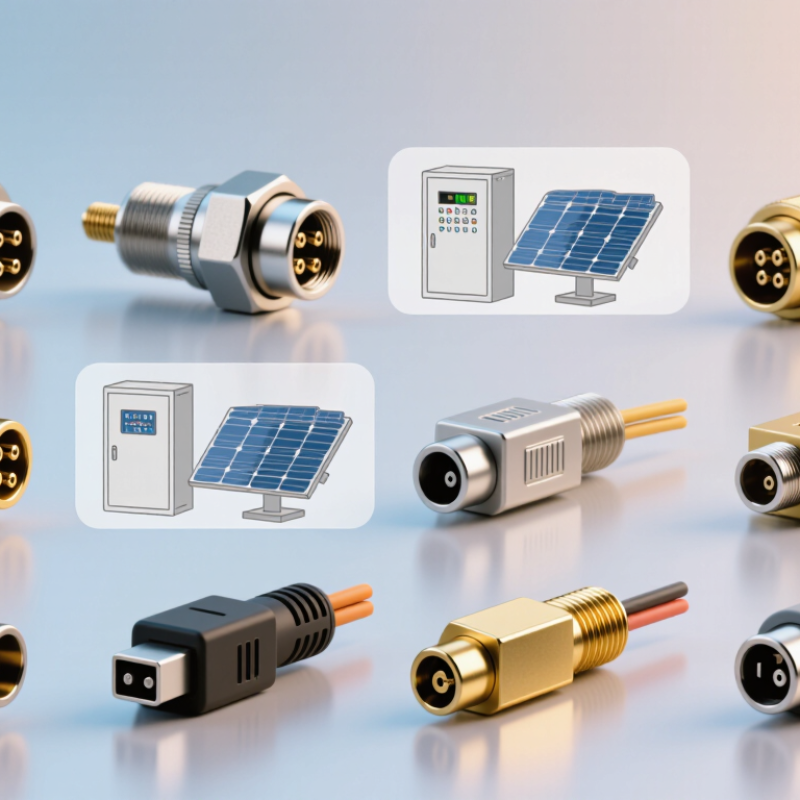
Cable Connector Basics: Types, Materials, and Core Functions
Cable connectors join conductors while controlling current, signal quality, moisture, and mechanical strain. Common types include crimp, screw, push-in, coaxial, circular, and terminal-block connectors. Crimp connectors compress metal around a conductor, creating a stable gas-tight connection when sized correctly. Screw terminals are flexible, but loose torque can create heat. Push-in designs save installation time, though some perform poorly with vibration.
Material selection matters. Copper offers strong conductivity, while tinned copper resists oxidation in humid environments. Brass provides mechanical strength, and stainless steel suits harsher conditions. Insulation usually uses PVC, nylon, or engineering polymers. IEC 60529 testing classifies enclosure protection through IP ratings, such as IP65 for protection against dust and water jets. The rating describes the enclosure, not every connector inside it.
Market evidence supports careful specification. Grand View Research’s 2024 electrical connectors analysis identifies automotive, industrial, and telecommunications equipment as major demand areas. MarketsandMarkets also forecasts continued connector growth through 2029, driven by electrification, automation, and data infrastructure. These figures do not make selection easier. A connector may pass a laboratory test yet fail after repeated bending, poor crimping, or thermal cycling. That is the part buyers often underestimate. Check conductor size, contact plating, voltage, current, temperature, vibration, and IP requirements before comparing price. A small visual inspection helps, but it cannot replace a proper pull test.
10 Best Cable Connectors for Global Buyers - Cable Connector Basics: Types, Materials, and Core Functions
| No. | Connector Type | Typical Poles / Contacts | Common Materials | Typical Protection Level | Typical Electrical Rating* | Core Function | Common Applications | Key Buyer Considerations |
|---|---|---|---|---|---|---|---|---|
| 1 | Circular Industrial Connector | 2–24 contacts | Nickel-plated brass or copper-alloy contacts; PA, nylon, or metal shell; silicone or rubber seals | IP44–IP67, depending on design | 250–500 V AC; approximately 3–20 A per contact | Provides secure power, signal, or control connections in compact circular housings. | Factory automation, sensors, motors, robotics, control cabinets | Check coding, locking method, pin arrangement, cable diameter, shielding, and mating compatibility. |
| 2 | Waterproof Cable Gland | Single cable entry; multi-cable versions available | Polyamide, nylon, nickel-plated brass, or stainless steel; EPDM or silicone sealing ring | IP65–IP68 | Usually not a current-carrying connector; voltage depends on the enclosed terminal or cable system | Secures cables and prevents water, dust, vibration, and pull forces from entering an enclosure. | Outdoor control boxes, lighting, solar equipment, instrumentation, marine equipment | Select the correct thread standard, cable diameter range, sealing material, and strain-relief capability. |
| 3 | Terminal Block | 1–24 or more positions | Polyamide or thermoplastic insulating body; tin-plated copper or brass terminals; steel clamping parts | Usually IP20; higher ratings require a protective enclosure | 300–1,000 V AC; approximately 5–150 A, depending on size and design | Creates organized, serviceable connections for joining and distributing wires. | Electrical panels, industrial machinery, building control systems, power distribution | Verify wire size, mounting style, spacing, torque, creepage distance, and applicable safety approvals. |
| 4 | Junction Box Connector | 2–12 conductors or more | Polycarbonate, ABS, or glass-filled nylon enclosure; copper or brass terminals; elastomer seals | IP54–IP68 | 250–1,000 V AC; current depends on the internal terminal system | Joins, branches, and protects cable connections inside an enclosed housing. | Building wiring, outdoor systems, low-voltage distribution, industrial installations | Consider enclosure size, cable-entry layout, condensation control, impact resistance, and installation method. |
| 5 | MC4-Style Solar Connector | Single contact per connector; male and female pairs | UV-resistant thermoplastic housing; tin-plated copper contact; rubber or silicone seal | Typically IP67 when properly mated | Up to approximately 1,000–1,500 V DC; commonly 20–30 A, depending on conductor size and design | Connects photovoltaic cables while maintaining polarity and weather resistance. | Solar modules, string wiring, combiner boxes, rooftop and utility-scale PV systems | Use only mating parts with matching dimensions and electrical ratings; confirm UV, temperature, and DC requirements. |
| 6 | Quick-Disconnect Terminal | Single circuit; insulated or non-insulated versions | Tin-plated copper or brass terminal; PVC, nylon, or polyolefin insulation | Generally not independently sealed; sealed versions are available | Typically 250–600 V AC; approximately 5–30 A | Allows fast tool-assisted or tool-free connection and disconnection of individual wires. | Automotive wiring, appliances, control panels, lighting, battery systems | Match tab width, wire gauge, crimp profile, temperature rating, vibration resistance, and insulation style. |
| 7 | Twist-On Wire Connector | 2–5 conductors, depending on model | Flame-retardant thermoplastic shell; internal zinc-plated steel or copper spring | Usually suitable for dry indoor locations unless specifically sealed | Commonly 300–600 V AC; current depends on wire size and connection design | Joins stripped wires by twisting conductors into a spring-loaded connection. | Residential wiring, lighting fixtures, junction boxes, maintenance work | Confirm compatible conductor combinations, wire range, installation torque, temperature, and local code requirements. |
| 8 | Push-In Wire Connector | 2–8 ports, depending on model | Polycarbonate or flame-retardant nylon body; copper or copper-alloy spring contacts | Usually IP20 unless installed inside a suitable enclosure | Typically 300–600 V AC; approximately 10–32 A | Provides fast tool-free wire termination using spring-clamp technology. | Lighting circuits, control wiring, building services, compact electrical boxes | Check solid versus stranded wire compatibility, conductor size, reusability, vibration performance, and code approvals. |
| 9 | Coaxial RF Connector | Single coaxial signal path | Brass or stainless-steel body; gold-, nickel-, or tin-plated contacts; PTFE or other dielectric | Indoor versions may be unsealed; outdoor versions can reach IP65–IP67 | Often rated from 50–75 Ω impedance; frequency may range from MHz to several GHz | Transfers high-frequency signals while controlling impedance and reducing electromagnetic interference. | Antennas, wireless equipment, test instruments, radio systems, CCTV and data networks | Verify impedance, frequency range, insertion loss, return loss, shielding, cable type, and mating interface. |
| 10 | RJ45 Ethernet Connector | 8 contacts; 4 twisted pairs | Polycarbonate plug body; phosphor-bronze contacts with gold plating; metal shielding on shielded versions | Usually IP20; industrial versions may be IP65–IP67 | Typically up to 100 V AC for data cabling; PoE current depends on the network standard and equipment | Connects twisted-pair cables for Ethernet data and, in suitable systems, power delivery. | Computers, switches, industrial networks, security systems, building automation | Check category performance, shielding, conductor type, latch design, temperature range, and PoE compatibility. |
* Electrical ratings are representative ranges for common product constructions. Always verify the manufacturer’s datasheet, applicable regional standards, installation conditions, and system requirements before selection.