Best Bulk Water Meter Options for Efficient Water Management?
In today's world, efficient water management is crucial for sustainability. A reliable Bulk Water Meter is key for monitoring large water usage. These meters help municipalities, industries, and agriculture optimize their water consumption and reduce waste.
Choosing the right Bulk Water Meter can be challenging. There are many options available, each with unique features. Factors like accuracy, durability, and maintenance requirements must be considered. For instance, some meters have advanced technology to ensure precise readings. Others may struggle under diverse environmental conditions, creating potential inaccuracies.
Addressing the shortcomings of some Bulk Water Meters invites reflection. Not all products meet the expectations set by manufacturers. Users may face issues with installation or calibration. A thorough evaluation of user experiences is vital when selecting a meter. This ensures that efficient water management is achieved effectively.
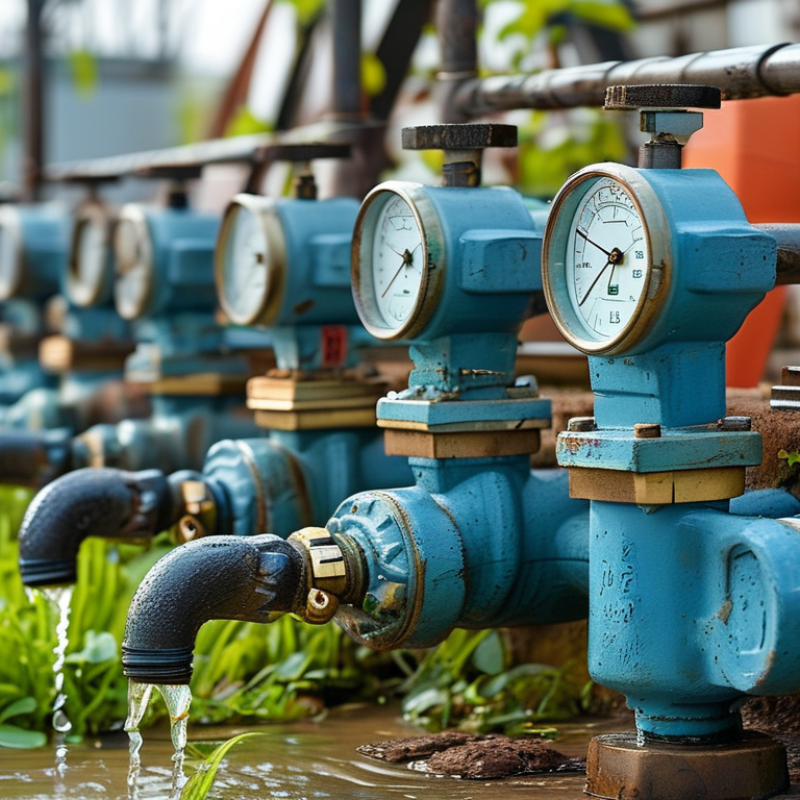
Understanding the Importance of Bulk Water Meters in Water Management
Bulk water meters are vital for efficient water management. They measure water flow in large volumes, making them essential for municipalities, industries, and agricultural sectors. Accurate measurements help track usage and prevent water wastage. This precision is critical for managing resources effectively, especially in areas prone to drought. Users benefit from understanding their consumption patterns, which leads to more informed decision-making.
Tips for selecting a bulk water meter include evaluating the size and capacity needed for your specific application. Consider factors such as the type of installation and flow requirements. It's essential to choose meters that are calibrated correctly. Inaccurate readings can lead to significant losses. Regular maintenance is necessary to ensure reliable performance.
Investing in bulk water meters enhances accountability. They provide data that can guide policies on water usage. Inconsistent readings may signal issues in the system. Being proactive can prevent bigger problems down the line. Using technology can improve accuracy, so exploring advanced options is worth considering.
Types of Bulk Water Meters: Advantages and Disadvantages
When selecting bulk water meters, understanding their types is crucial. Traditional mechanical meters, often used in small to medium water supply operations, have both strengths and weaknesses. These meters are usually affordable and straightforward to install. However, they tend to be less accurate over time and can face maintenance challenges. According to industry studies, mechanical meters can lose up to 5% of their accuracy annually, leading to significant revenue loss over years.
On the other hand, electronic meters provide better accuracy and data collection. These meters typically feature advanced technology for monitoring water flow. Data reports indicate that electronic meters can maintain accuracy within 1% for many years. Yet, the upfront cost is notably higher. Furthermore, maintenance may require specialized knowledge. Users often report feeling overwhelmed by the complexity of these systems.
Ultrasonic meters are another option, ideal for large-scale applications. They offer excellent flow measurement without moving parts. However, they can be expensive, laying a heavy burden on initial investments. Reports show that users appreciate their longevity, but issues with calibration need addressing. Consistent monitoring is essential, as environmental factors can impact performance. This varying reliability often leads to discussions about the best long-term strategies for water management.
Key Features to Consider When Choosing a Bulk Water Meter
When choosing a bulk water meter, it's crucial to focus on key features that ensure efficient water management. Accuracy is a primary concern. An accurate meter not only tracks water usage but also helps avoid costly overages. Look for devices with low error margins. Precision ensures reliable data, which is essential for effective water conservation efforts.
Another important feature is durability. Bulk water meters are often exposed to harsh conditions. Ensure the meter can withstand pressure and temperature fluctuations. A durable meter provides long-lasting service. Regular maintenance might be required, but quality meters tend to need less frequent repairs.
Finally, consider the ease of installation and reading. Some meters come with digital displays or remote reading capabilities. These functions help simplify the monitoring process. However, not all models offer user-friendly features. Evaluate whether the complexity of certain systems justifies the level of accuracy they provide. Sometimes, a simpler solution can yield better results in the long run.
Top Recommendations for Reliable Bulk Water Meter Brands
When selecting a bulk water meter, reliability is key. Many users look for options that offer accuracy and durability. There are several brands known for their commitment to quality. These meters must withstand various environmental conditions while providing precise readings. The investment in a reliable meter pays off in the long run, reducing waste and encouraging wise water management.
Some meters feature advanced technology, allowing for remote monitoring. This can greatly enhance management capabilities. However, not every brand offers the same level of accuracy or technology. It becomes crucial to research extensively before making a decision. Customer feedback often sheds light on reliability. Reviews can indicate potential issues, helping buyers avoid pitfalls.
Installation and maintenance are areas often overlooked. Users should consider whether they have the necessary technical skills. Some meters may require professional installation, which can incur additional costs. Regular calibration is also essential for maintaining accuracy. Evaluating all these aspects aids in making an informed choice. It is not only about having the meter but ensuring it serves its purpose effectively.
Water Consumption for Different Applications
This bar chart illustrates the estimated water consumption in cubic meters for various applications, helping to highlight the differences in water usage among residential, commercial, industrial, agricultural, and municipal sectors.
Best Practices for Installing and Maintaining Bulk Water Meters
When it comes to bulk water meters, proper installation and maintenance are crucial for effective water management. Installing these meters requires accuracy and care. Your first step should be to choose a level location. Avoid spots with risk of flooding. Proper alignment ensures accurate readings. Additionally, secure all connections tightly. Loose fittings can lead to leaks and inaccurate measurements.
Proper maintenance is equally important. Regularly check for any signs of wear or damage. Periodic calibration can help ensure the meter functions optimally. Clean the meter regularly to avoid buildup that can affect readings. If you notice variations in readings, it may indicate a problem worth investigating.
Here are some practical tips:
1. Document all maintenance activities. This creates a reliable history for reference.
2. Schedule routine checks to keep the system running smoothly.
3. Train staff on common issues that can arise with bulk meters. This ensures prompt attention to potential problems.
Monitoring your bulk water meters closely can terminate unnecessary expenses. Engaging with expert resources can enhance your knowledge. Understanding the equipment will lead to more efficient operations. Aim for continuous improvement to optimize your water management efforts.
