2026 Best Spinning Frame Machine Features and Benefits?
In the world of textile manufacturing, the Spinning Frame Machine plays a crucial role. This equipment is central to producing high-quality yarn. Today, manufacturers face challenges like efficiency and cost-effectiveness. The right spinning frame can bridge these gaps.
The 2026 models showcase innovative features that can enhance productivity. Advanced technology enables precise control over spinning processes. These machines reduce waste and labor costs, making them appealing investments. However, many potential users overlook their maintenance needs. Regular upkeep is vital for optimal performance.
Understanding the benefits and features of these machines can transform operations. High-speed options save time, but they may require skilled operators. It’s essential to weigh the pros and cons before investing. Each feature should align with specific production goals. The importance of careful selection cannot be overstated.
2026 Key Innovations in Spinning Frame Machine Technology
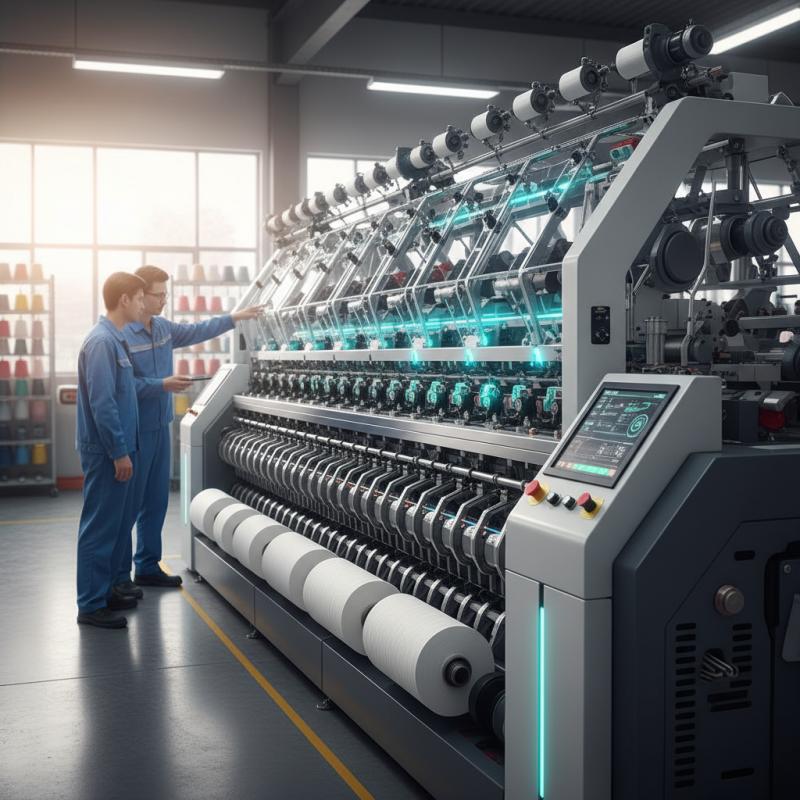
The spinning frame machine has undergone significant technological advancements in 2026. One of the most notable innovations is the integration of smart technology. Smart sensors monitor machine performance in real-time. They detect irregularities, reducing downtime and maintenance costs. This proactive approach enhances productivity and efficiency.
Another key innovation is the emphasis on energy efficiency. New machines utilize advanced motors and renewable energy sources. They consume less power while maintaining high output levels. This shift not only benefits manufacturers but also contributes to a greener environment.
However, challenges remain. Implementing such technologies can require significant upfront investment. Smaller manufacturers may struggle to adapt. Additionally, there’s a learning curve for workers. Training programs are essential but often overlooked. Embracing innovation is crucial, yet not without its hurdles.
Benefits of High-Speed Spinning Frames for Modern Textile Production
High-speed spinning frames are transforming textile production in significant ways. These machines offer remarkable efficiency, enhancing production rates. With their ability to produce finer yarns quickly, high-speed frames reduce downtime and waste. Modern factories benefit from this, as speed translates to cost effectiveness. Workers can focus on quality rather than merely maintaining pace.
When utilizing high-speed spinning frames, consider optimizing the setup process. Reducing the time to change yarn types can enhance overall efficiency. A streamlined workflow often results in fewer errors. Train staff to operate these machines effectively to avoid common pitfalls. This can prevent costly mistakes that arise from inexperience.
Additionally, monitor the machine’s performance closely. Regular maintenance helps in avoiding potential failures. Small issues can escalate into major problems if left unattended. The technology is impressive but requires attention. Finding a balance between speed and quality is essential. Frequent adjustments and reflections on the process will help maintain optimal outcomes.
Comparative Analysis of Spinning Frame Efficiency Metrics in 2026
In 2026, the spinning frame machine market is witnessing significant changes. Efficiency metrics have become a crucial focus for manufacturers. According to a recent industry report, the average efficiency rate for modern spinning frames stands at 85%. However, some machines still lag behind, operating at around 70%. This gap highlights the need for continuous improvement in design and technology.
Key features contributing to efficiency include automation and energy consumption. Advanced models may reduce energy usage by up to 30%. However, not all facilities have adopted these innovations. The challenge remains in integrating new technology with existing systems. Furthermore, maintenance issues can affect overall performance, leading to unplanned downtimes.
Comparing spinning frame output across facilities presents another layer of complexity. Data shows that top-performing machines achieve over 200 kg of yarn production daily. In contrast, outdated machines can produce half that amount. This disparity urges manufacturers to evaluate their equipment regularly. Striking a balance between cost and efficiency is critical. With rising material costs, every ounce of efficiency counts. Those who invest wisely will benefit in this competitive landscape.
Exploring Energy Consumption Trends of Spinning Frame Machinery
The energy consumption of spinning frame machinery has become a critical point of discussion. Many factories strive for efficiency yet often overlook specific settings that impact energy use. For instance, the motor type and gear system can dramatically alter how much power a machine consumes. Efficiency doesn’t always mean the least energy; sometimes it’s about using what is necessary.
Recent trends show that companies are beginning to invest in advanced control systems. These systems can regulate energy input based on real-time demand. A common issue arises when machines run at full power, even when demand is low. This inefficiency leads to wasted resources. It’s frustrating for industry leaders who want to balance production and sustainability.
Many facilities might not audit their energy usage regularly. This oversight can lead to inflated operational costs. Understanding energy consumption patterns is crucial. Are machines overworked? Or are they optimized for specific tasks? Addressing these questions is essential for long-term success. Industry stakeholders must confront the challenge head-on to ensure responsible energy management.
Integration of Automation in Spinning Frame Machine Operations
The integration of automation in spinning frame machine operations is transforming the textile industry. This technology enhances productivity and precision. By automating tasks, potential human errors are reduced significantly. Workers can focus on more strategic roles, but it also raises concerns about job displacement.
Automated spinning frames feature advanced sensors and software. They monitor yarn quality in real time, making adjustments instantly. This ensures uniformity in production. However, the setup costs may be high for smaller factories. Some facilities struggle with the transition, facing challenges in training staff to operate these advanced systems effectively.
While automation improves efficiency, it is not without flaws. Malfunctions can lead to production delays. Maintenance of these machines requires skilled personnel. Small-scale manufacturers may find it difficult to keep up with changing technology. Balancing innovation and human expertise is critical. As the industry evolves, so must our approach to these systems.